World
UK detains Indian national after first seizure of Russian shadow tanker
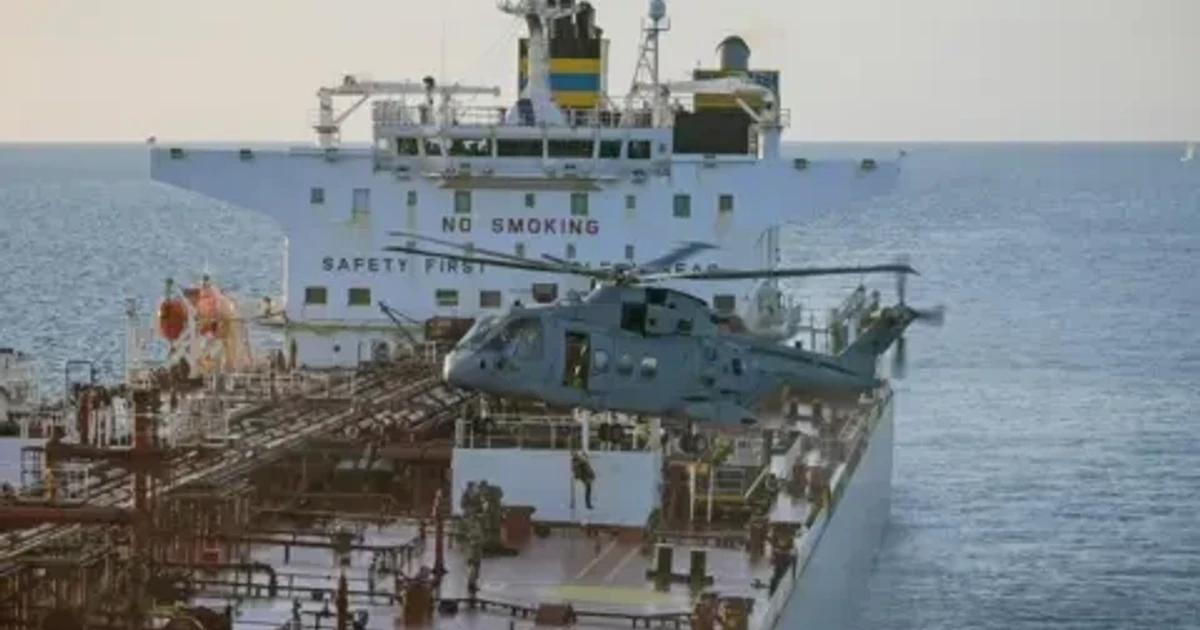
British forces turned sanctions enforcement into a maritime seizure in the English Channel, boarding a Russian shadow fleet tanker in a six-hour operation that ended with the arrest of a 38-year-old Indian national on suspicion of sanctions offences. The action unfolded in the early hours of Sunday, June 14, 2026, with Royal Marine commandos and specially trained National Crime Agency officers on the deck, backed by Royal Air Force support and other military assets.
The vessel has been identified as the Smyrtos, a 244-metre oil tanker that previously sailed under the flag of Cameroon. It was being held as part of an investigation into sanctions evasion linked to Russian oil and gas, and officials said 24 Georgian and Indian crew members remained on board and were assisting investigators.
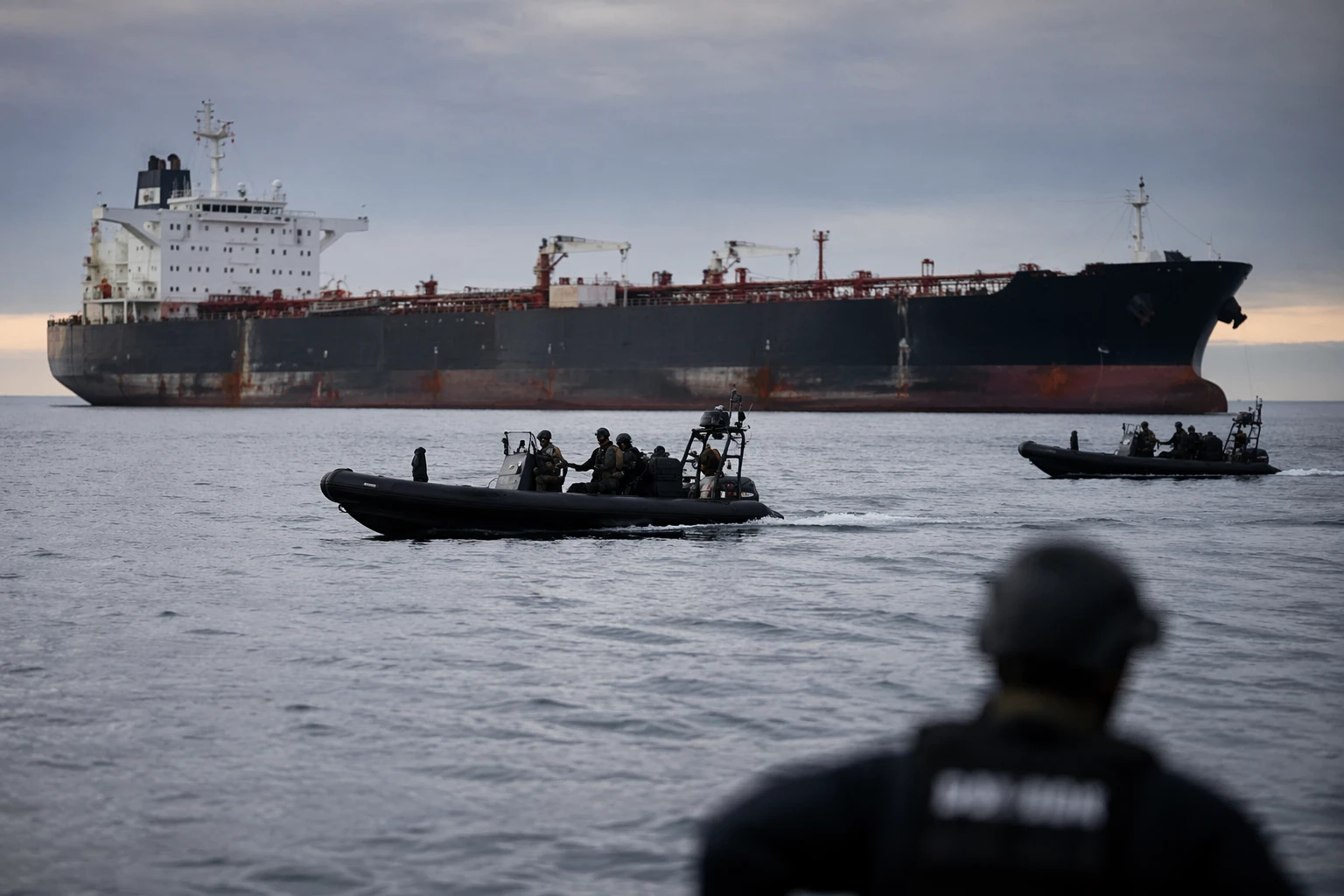
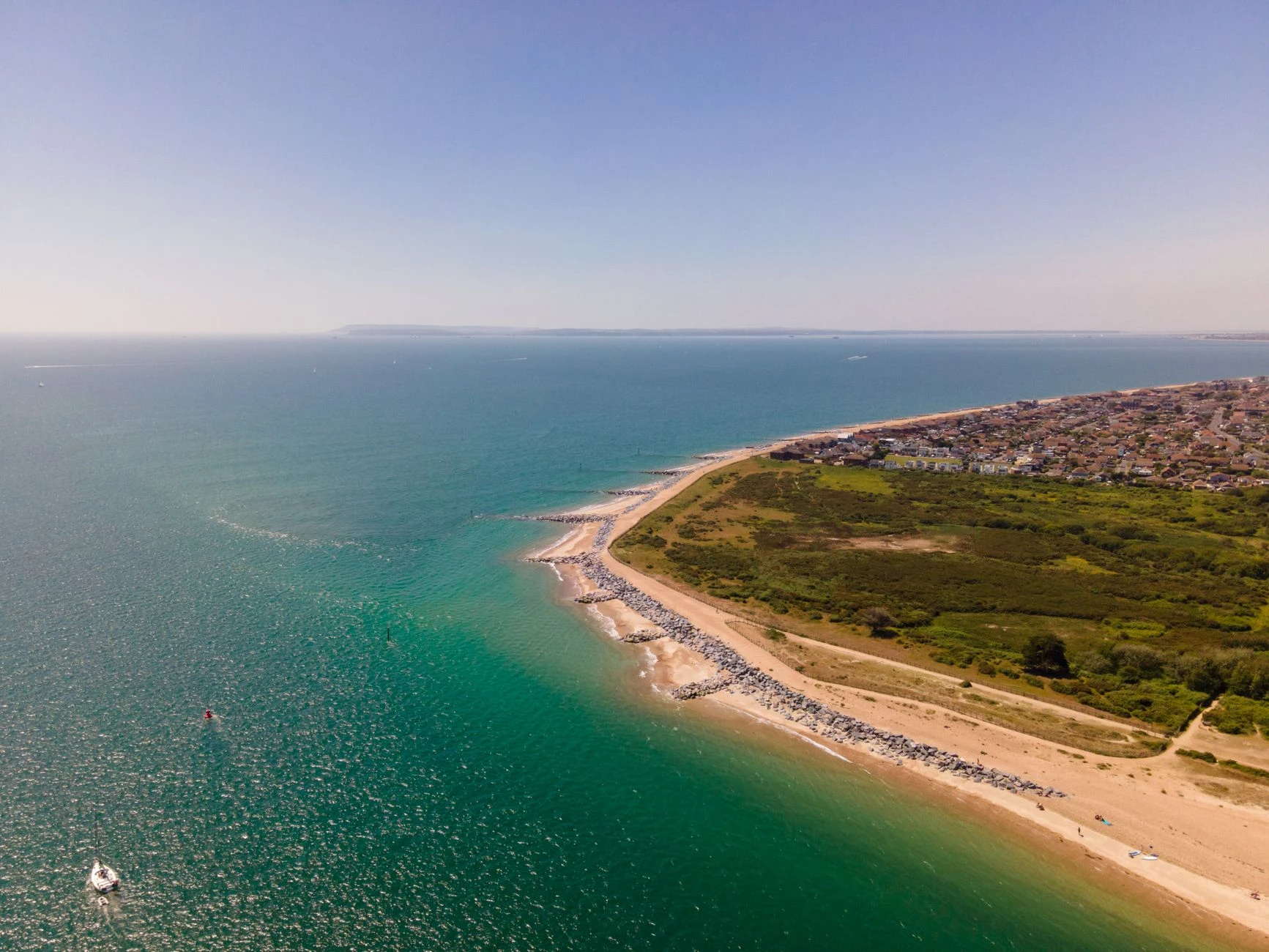
The boarding marked a shift from sanctions policy on paper to direct physical interdiction at sea. Officials described it as the first UK-led operation of its kind, and the first time British forces had acted alone to stop a ship in the Russian shadow fleet, a network used to move fuel and evade sanctions. The tanker is expected to be moved to an anchorage off the south coast of England, where it will be monitored for environmental or safety concerns.
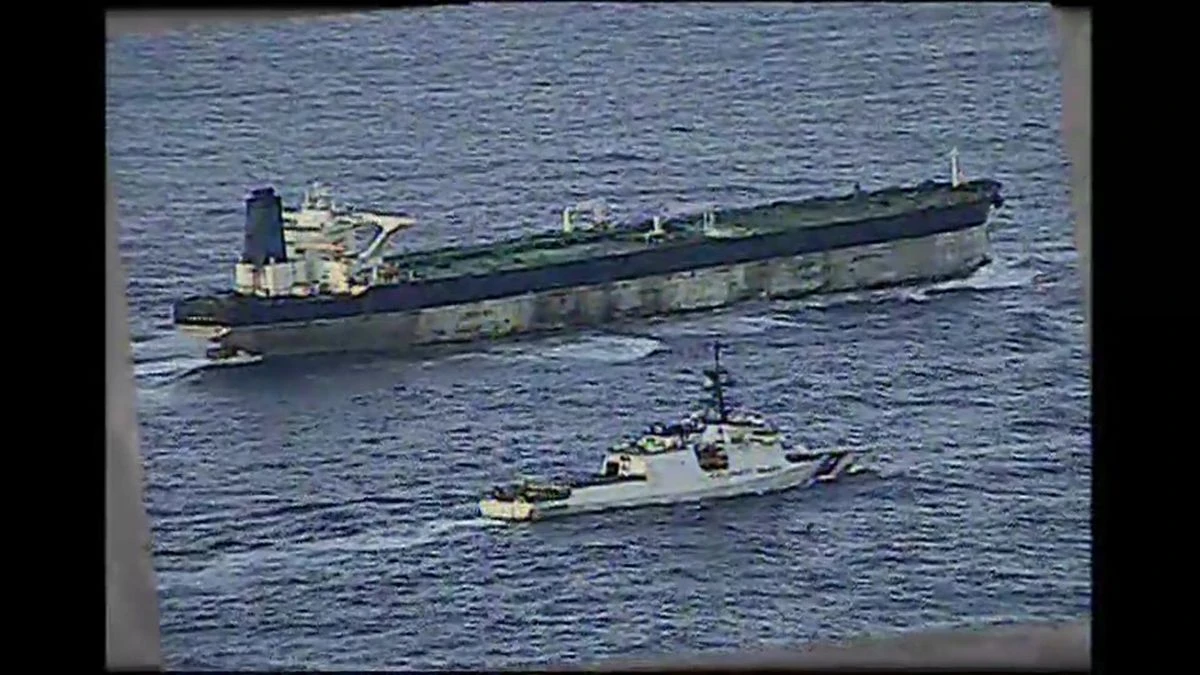
The operation drew on a broad military and law-enforcement response. The Ministry of Defence said the boarding was supported by aircraft and ships including Chinooks, Merlin Mk4 and Wildcat helicopters, an RAF P-8 aircraft, HMS Sutherland and HMS Ledbury. That scale of deployment underscored how seriously ministers now view the mechanics of sanctions busting, particularly when the cargo is oil revenue that helps fund Russia’s war in Ukraine.
The National Crime Agency, the Office of Financial Sanctions Implementation and the Foreign, Commonwealth & Development Office have already issued a red alert on shadow-fleet sanctions evasion and avoidance tied to Russian oil and gas. The seizure of the Smyrtos suggests that Western governments are moving beyond warnings and paperwork, and toward inspections, boarding parties and arrests designed to make dodging sanctions far harder in practice.
Sources
- [1]bbc.com
- [2]bbc.co.uk
- [3]aol.com
- [4]telegraph.co.uk
- [5]independent.co.uk
- [6]nationalcrimeagency.gov.uk
- [7]sky.com