World
UK drought spreads as England faces driest July in decades
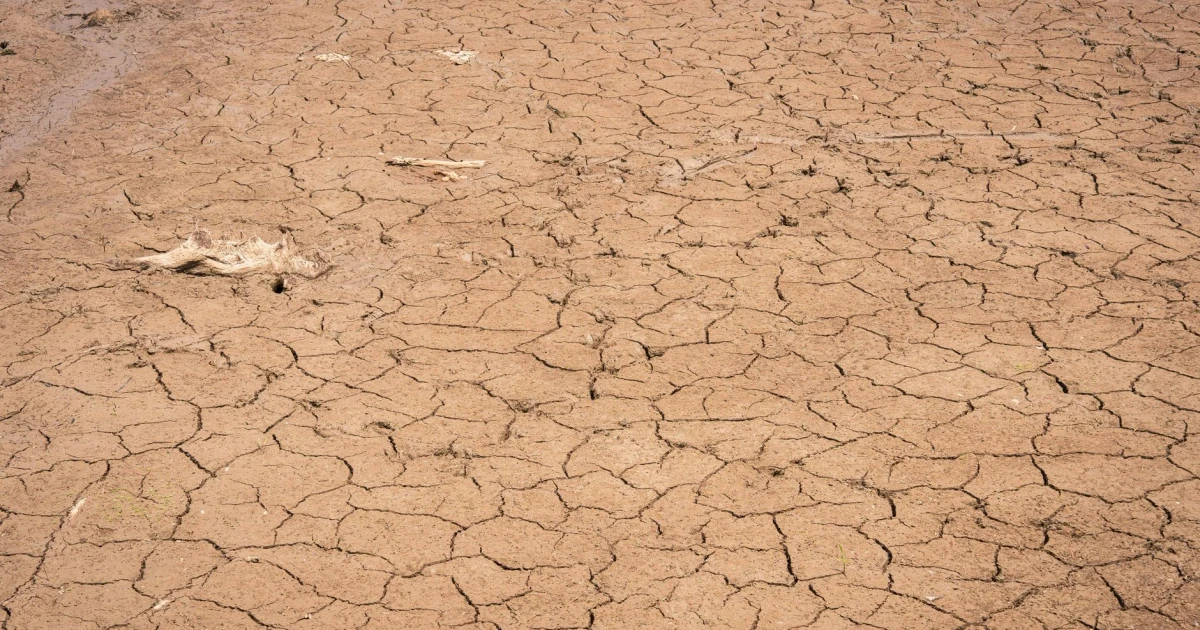
Parts of southern, central and eastern England are close to drought as the National Drought Group moves broad swathes of the country into "prolonged dry weather" after successive heatwaves strained water supplies. At the same time, the English Channel is producing another record, with 165 migrants packed into a single boat about 13m long, roughly the size of a standard bus.
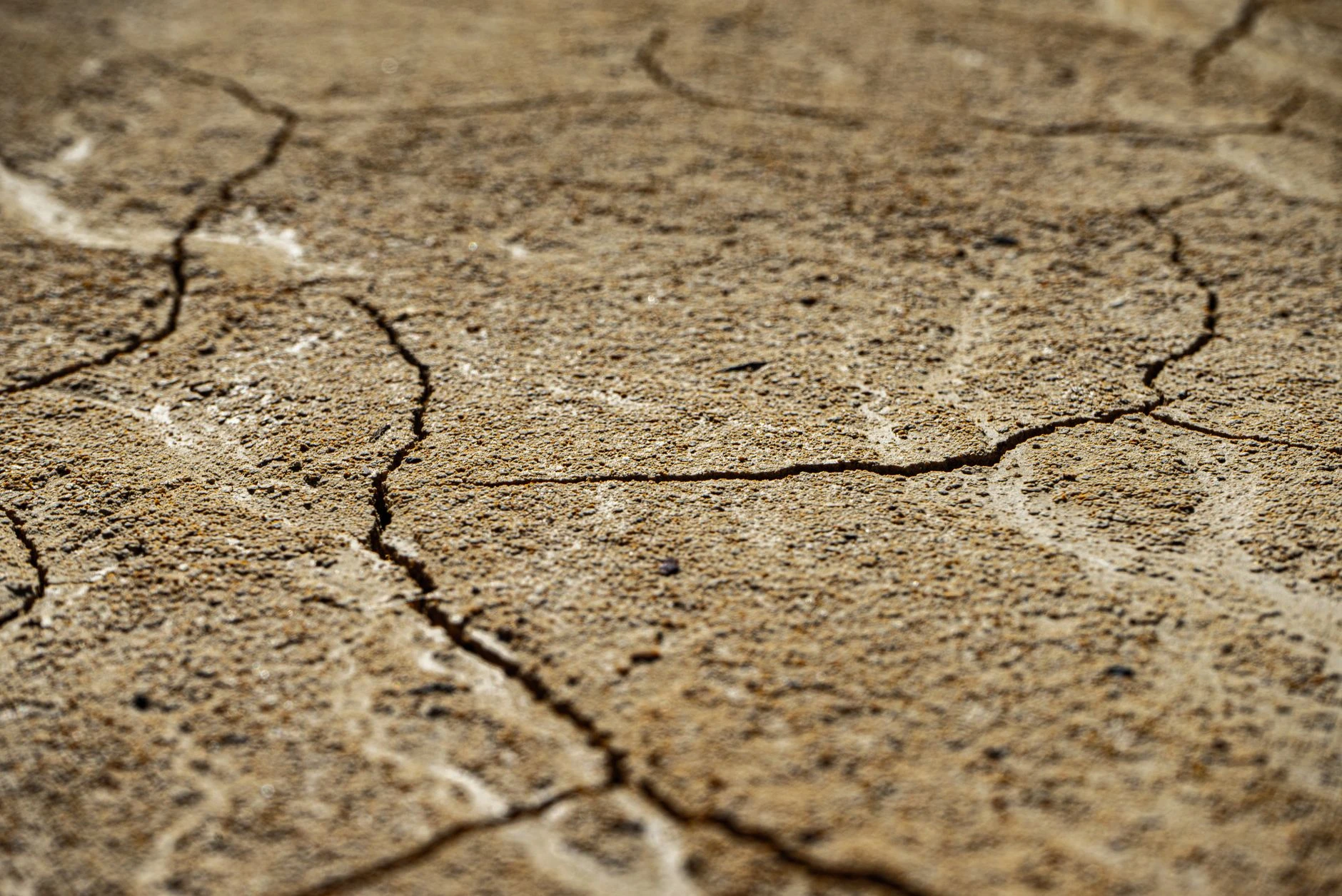
The latest drought warning is the third in five years. The Environment Agency said in June 2025 that England had just endured its driest spring in 132 years, and drought had already been declared in the North West and Yorkshire. Dry weather has since affected more than half of the country, with England heading toward what could be its driest July in decades and millions warned this could be a "new normal".
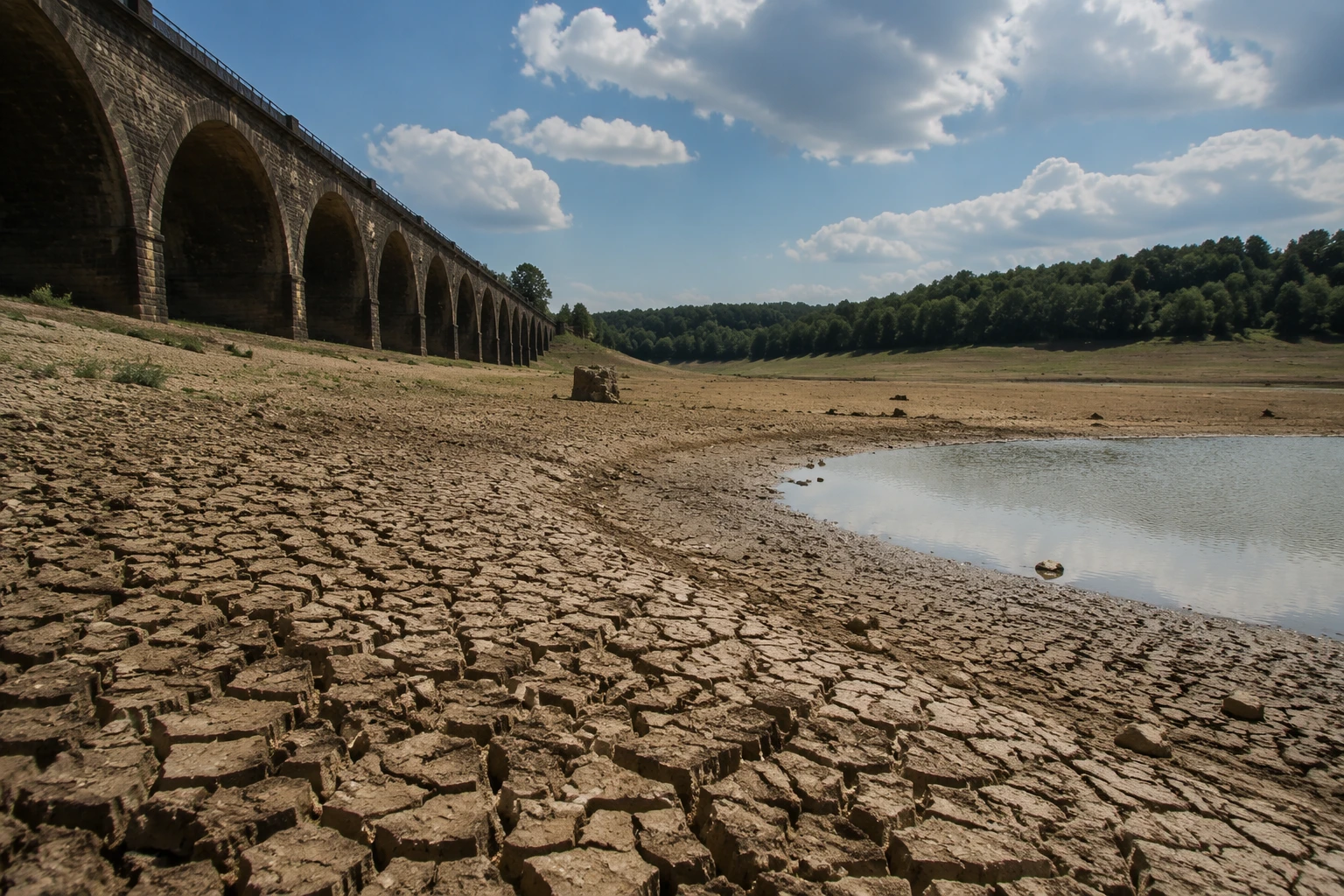
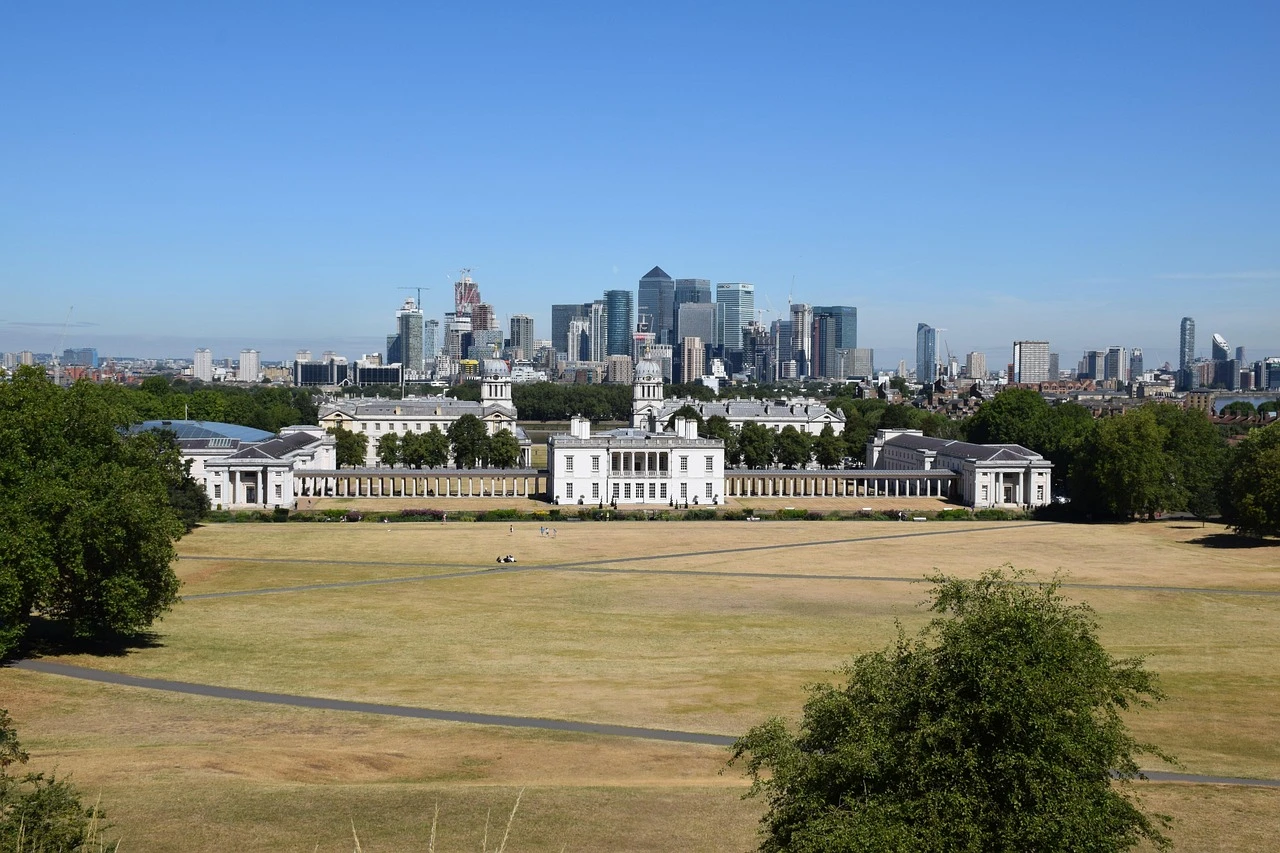
The National Drought Group has put East Anglia, the West Midlands, Devon, Cornwall and the Isles of Scilly, Lincolnshire and Northamptonshire, Hertfordshire and London, Wessex, Thames, Solent and the South Downs in "prolonged dry weather", the stage before drought. Those warnings point to a wider strain on rivers, crops and nature, not just a temporary spell of hot weather.
The pressure is already visible in water use. In July 2026, more than 10 million Thames Water customers were under hosepipe restrictions across parts of Gloucestershire, Wiltshire, Surrey, the Thames Valley and Greater London. The limits came after successive heatwaves left supplies under strain, showing how quickly conservation measures become mandatory once reservoirs, soils and rivers all run low.
The migration numbers have risen just as sharply. The Home Office confirmed the 165-person crossing, breaking the previous single-boat record of 128 set in July 2026. The House of Commons Library says small-boat crossings peaked in 2022 at about 46,000 arrivals, fell in 2023, and then climbed again to around 39,000 in the year ending March 2026, when they made up about 90% of all people detected arriving in the UK without authorisation.
Campaigners and refugee charities say the Channel route is becoming more dangerous, and the IRC says people risk their lives because of desperation and the lack of safe routes.
Sources
- [1]bbc.co.uk
- [2]environmentagency.blog.gov.uk
- [3]bbc.com
- [4]gov.uk
- [5]commonslibrary.parliament.uk
- [6]the-independent.com
- [7]rescue.org