Business
UK e-bike and e-scooter injury claims top £110m

Damages paid to people injured by e-bikes and e-scooters in the UK have topped £110m, with the biggest individual payout reaching £20m. The claims market is still young, with the first injury claim over a micromobility vehicle made just seven years ago, but the sums are already large enough to reshape how insurers think about liability, pricing and renewals.
The UK’s legal framework helps explain part of the risk. Government rules treat a compliant e-bike as an electrically assisted pedal cycle, or EAPC, the same as a conventional pedal cycle. Riders must be 14 or over, and they do not need a licence, registration, tax or insurance. The motor assistance must cut out above 15.5 mph, or 25 km/h, and the motor must be limited to 250 watts. Privately owned e-scooters are a different case: they are illegal to ride in public in Great Britain, including on roads, pavements and in parks, while rental scooters are permitted only in government-backed trial areas.
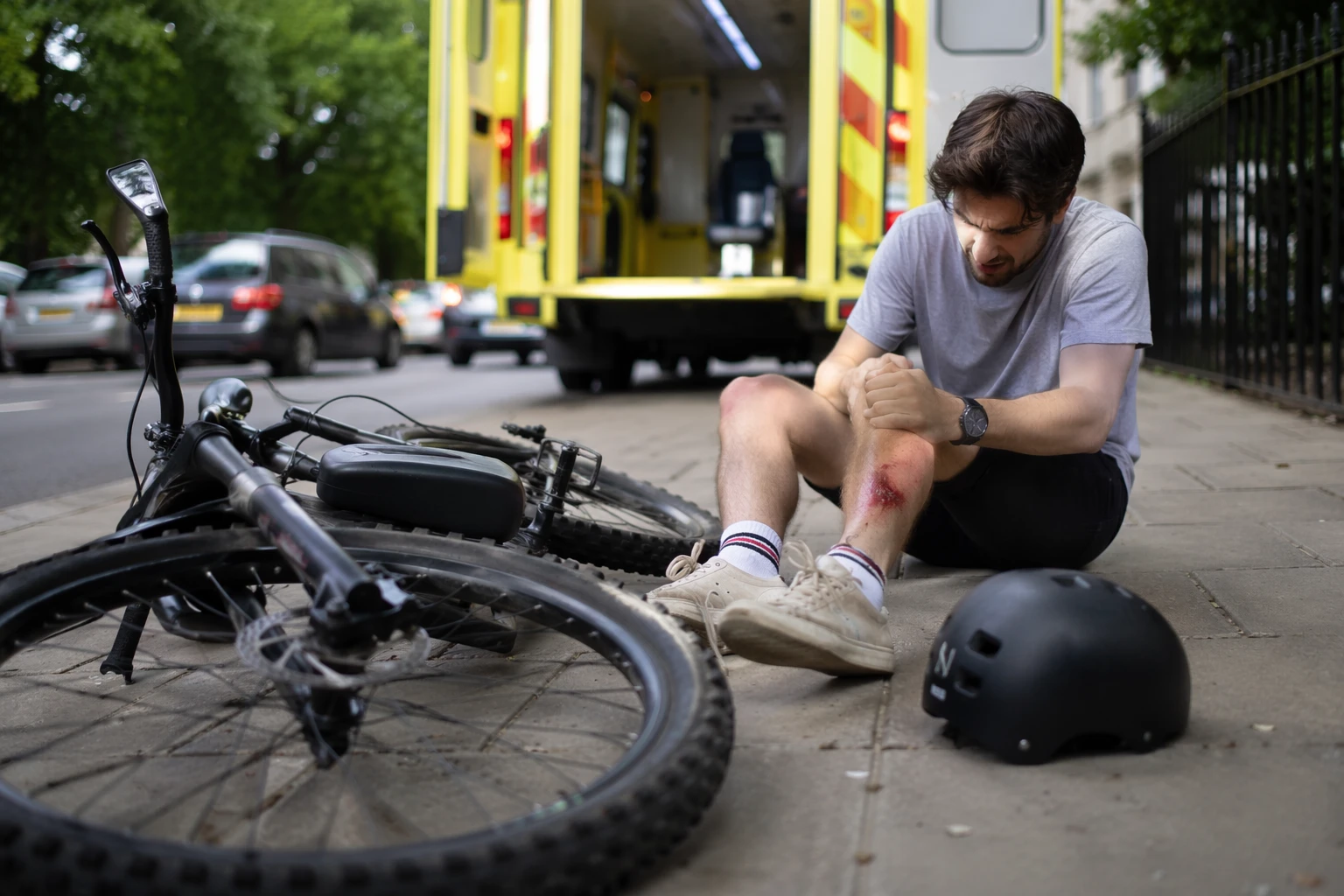
That legal split matters because public use does not always match public understanding. Police guidance classifies e-scooters and unregistered e-motorbikes as motor vehicles under the Road Traffic Act 1988, which raises the stakes when a crash turns into a compensation claim. When riders move between lawful use, trial schemes and outright illegal use, the liability picture becomes harder to sort and the cost of a single serious injury can rise quickly.
Aviva says the growth in micromobility use is one of several forces pushing up motor claims costs. In its analysis, body injury costs accounted for 8% of the total increase in claims costs, equal to £182m, alongside long-term care costs and exaggerated or fraudulent injuries. For insurers, that is not a niche problem confined to one product category. It feeds directly into reserves, renewals and the price of cover across a wider book of business.

The UK experience is a warning for the American micromobility market because it shows how fast a small claim class can become a meaningful cost line when rider behavior, vehicle design and weak street infrastructure collide. Cities that allow confusion over where e-bikes and e-scooters can be used, and insurers that cannot separate legal riding from unsafe or illegal use, may find the claims curve steepens long before policymakers treat it as a broader transportation problem.
Sources
- [1]bbc.co.uk
- [2]gov.uk
- [3]police.uk
- [4]abc.ukgigroup.com
- [5]bbc.com