Politics
UK equalities code rules single-sex spaces by biological sex

The Equality and Human Rights Commission’s code of practice for services, public functions and associations became statutory on 5 August 2026 after approval by the Secretary of State, locking in rules that will shape access to single-sex spaces across England, Wales and Scotland. The change lands after years of legal conflict over the meaning of sex in equality law and immediately affects places open to the public, including toilets and changing rooms.
The legal turning point came on 16 April 2025, when the UK Supreme Court ruled in For Women Scotland Ltd v The Scottish Ministers that, for Equality Act purposes, sex means biological sex. The EHRC has also said on its website that a Gender Recognition Certificate does not change a person’s legal sex for Equality Act purposes. Together, those positions now set the framework for how schools, hospitals, shops, restaurants, leisure centres and local authorities are expected to handle access rules.
The code goes beyond toilets and changing rooms. People Management said the draft version covered all nine protected characteristics and included updated guidance on single-sex services and disability, underscoring that organisations must think about access policies alongside wider duties on service delivery. The EHRC had issued interim guidance first, then consulted on and revised the draft before the government laid the updated code before Parliament in May 2026.
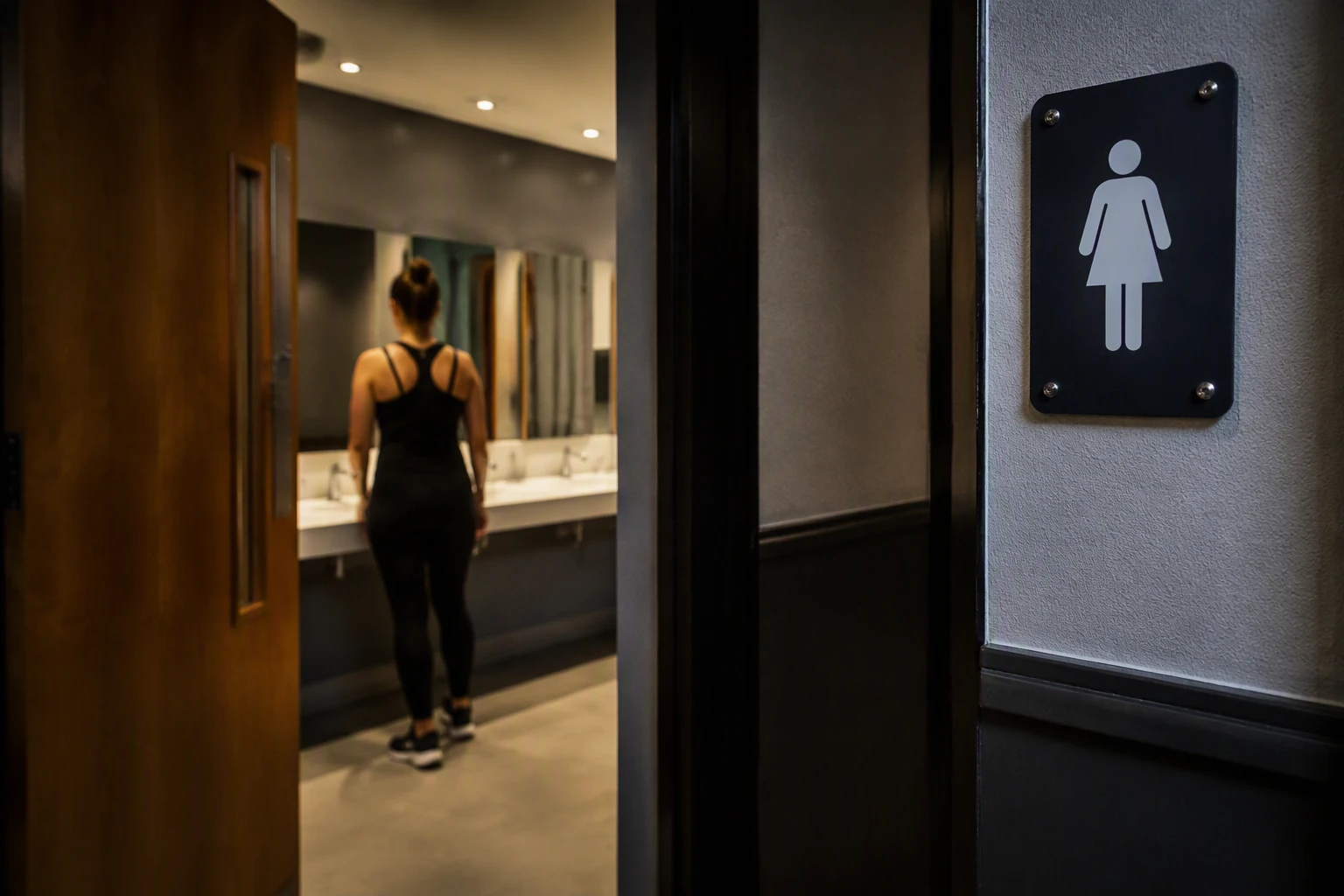
The practical effect is stark: single-sex spaces such as toilets and changing rooms must be used on the basis of biological sex, and trans women should not use women’s facilities in settings covered by the guidance, including hospitals, shops and restaurants. The code also leaves room for mixed-sex or gender-neutral facilities where organisations judge them appropriate alongside single-sex spaces, which means many venues will be trying to reconcile compliance, privacy and inclusion at the same time.
That tension has already produced resistance. The Green Party called the interim guidance “ill-considered and impractical” and said it should be withdrawn. TransActual said its Know Your Rights page was under review after the February 2026 High Court decision on the EHRC interim guidance and the later draft code, while Scottish Trans set out its response to the updated code in May 2026. Labour MPs were also reported as doubting whether the guidance was workable, a sign that the fight over implementation is now running through schools, workplaces and public services as much as through the courts.