World
UK faces hotter-than-average summer with increased heatwave risk

The Met Office’s summer outlook, issued on 1 June 2026, gave the UK a higher-than-normal chance of a hot summer and a greater risk of heatwaves across June, July and August. It also flagged above-average temperatures for July and August, a signal that the country could face repeated bursts of heat rather than one short spell. That pattern matters because back-to-back extremes leave little time for recovery and put lasting strain on health systems, transport, energy demand and water supply.
The warning lands against a longer trend that is already changing the baseline. The Met Office says UK summers are generally getting warmer, and the five warmest on record have all come since 2003. Summer 2025 became the warmest UK summer on record at a mean temperature of 16.1C, pushing 1976 out of the top five. That old benchmark has not disappeared from memory, but the climate around it has shifted: a 1976-style heatwave would already be around 3C hotter in today’s climate, according to Met Office-linked analysis.

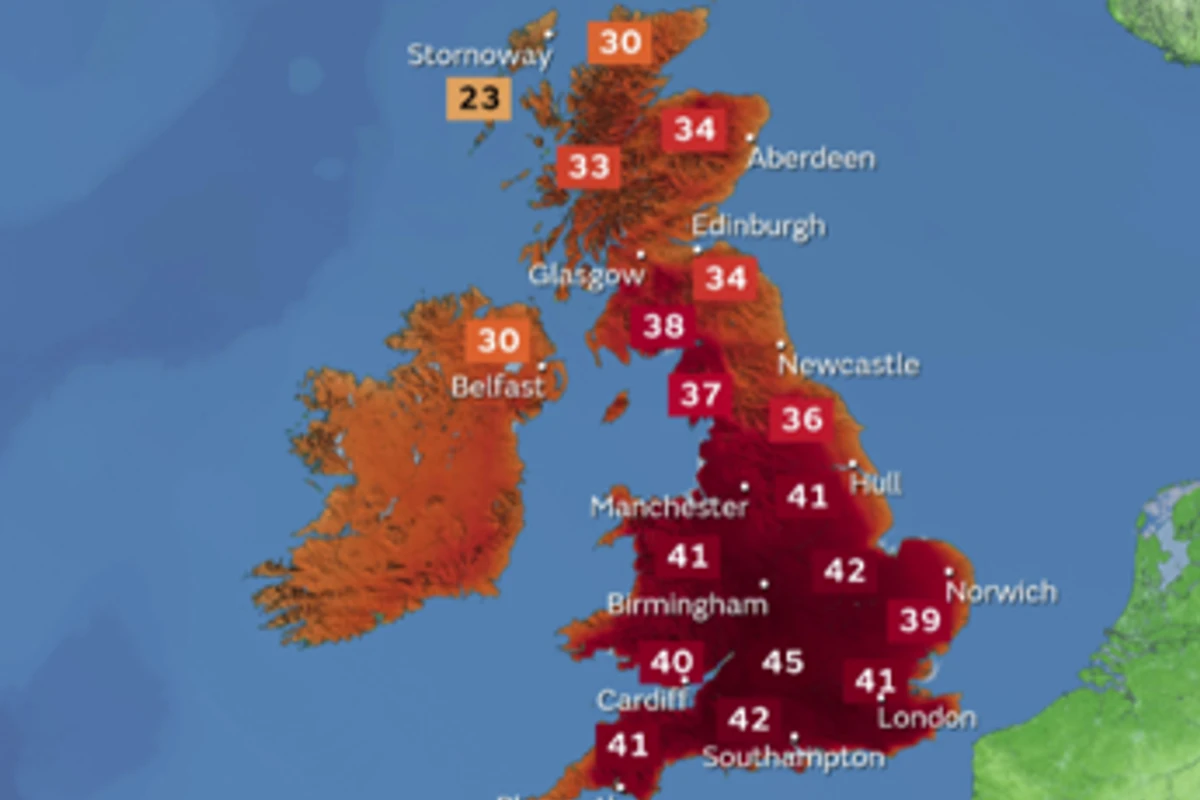
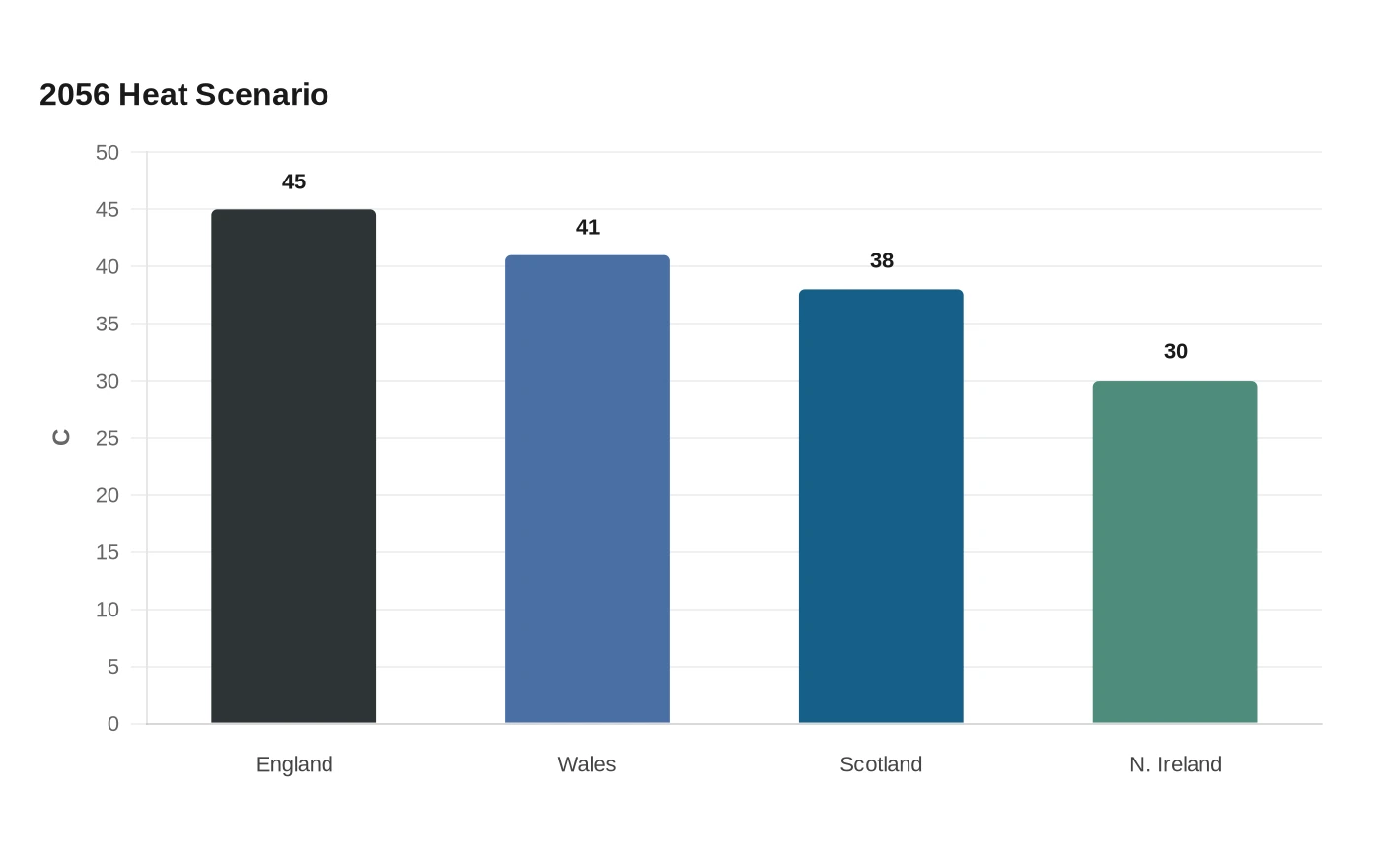
The scale of the risk becomes starker in the Met Office’s plausible 2056 scenario, which suggests temperatures could reach 45C in England, 41C in Wales, 38C in Scotland and 30C in Northern Ireland. That same scenario points to a prolonged heatwave lasting around two weeks, including nine consecutive days above 40C somewhere in the UK. For a country built around short-lived summer spikes rather than extended extremes, that kind of sequence would test hospitals, rail lines, roads, power systems and water supplies in the same week, then again the next.
The immediate summer already showed how quickly conditions can swing. The Met Office issued Red Extreme Heat warnings in June 2026 for parts of southern and central England and Wales, with temperatures expected to reach at least 39C and the UK’s June daily air temperature record of 35.6C very likely to be exceeded. Very warm overnight temperatures added to the risk, limiting recovery after the daytime peaks. The Met Office says human-induced climate change has made heatwaves more likely and more intense, and that the frequency and intensity of heatwaves has increased worldwide.
Sources
- [1]bbc.co.uk
- [2]metoffice.gov.uk