Politics
UK government delays e-scooter laws as safety concerns grow
TfL said in March 2026 that demand for rental e-scooters had risen 50 percent year-on-year, while the UK still had no national law to legalise privately owned machines on public roads. The gap has left e-scooters legal only on private land or inside trial hire schemes, keeping riders, councils and police in a grey zone.
That limbo deepened after the 2023 King’s Speech failed to include the e-scooter laws ministers had previously said would form part of a Transport Bill. Privately owned e-scooters remain illegal on public roads, pavements and cycle lanes across the UK, even as the vehicles are widely sold and visible in cities.
The issue was not new. A House of Commons Library briefing published on 1 September 2021 set out the debate around future urban transport, legislation, the impacts of e-scooters and the 2020-21 trials. Parliament had already spent years examining how the vehicles might fit into the transport system before ministers allowed the latest delay to harden into policy drift.
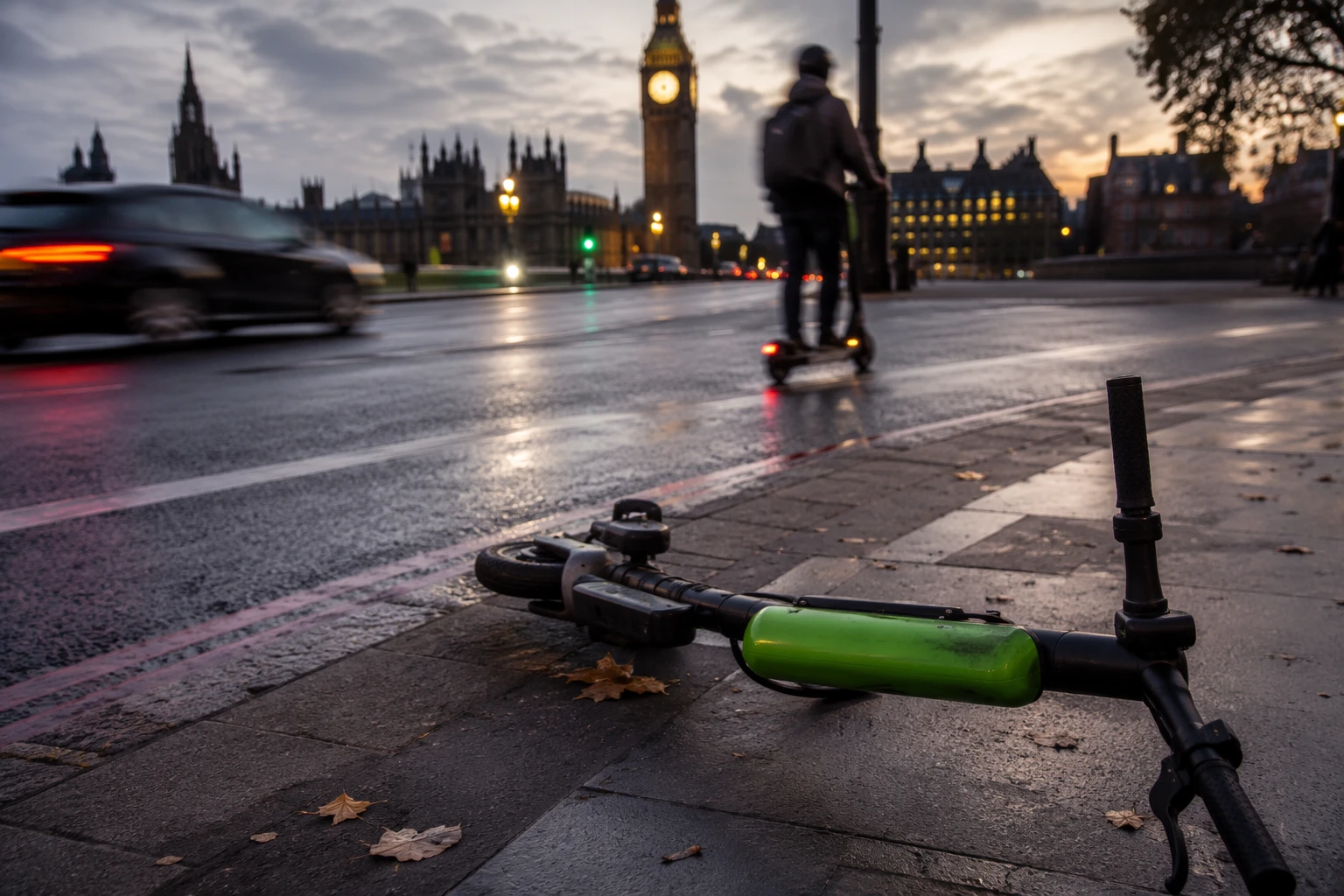
London has become the clearest test case for that approach. Transport for London said the capital’s rental e-scooter trial began in June 2021 after the Department for Transport legalised rental trials across the country. TfL has said rental e-scooters are the only way to ride legally on public roads or other public places within London, and even that access is limited to designated trial areas.
The trial has expanded as the national law has stalled. By June 2023, TfL said the scheme had reached ten participating boroughs and more than 600 designated parking bays. On 12 May 2025, TfL said the London trial was contracted to run until 25 September 2025, with possible extensions of up to one year. In February 2026, TfL said its Phase 2 Year 2 report covered data from September 2024 to September 2025 and that the current phase was due to run until 2028.
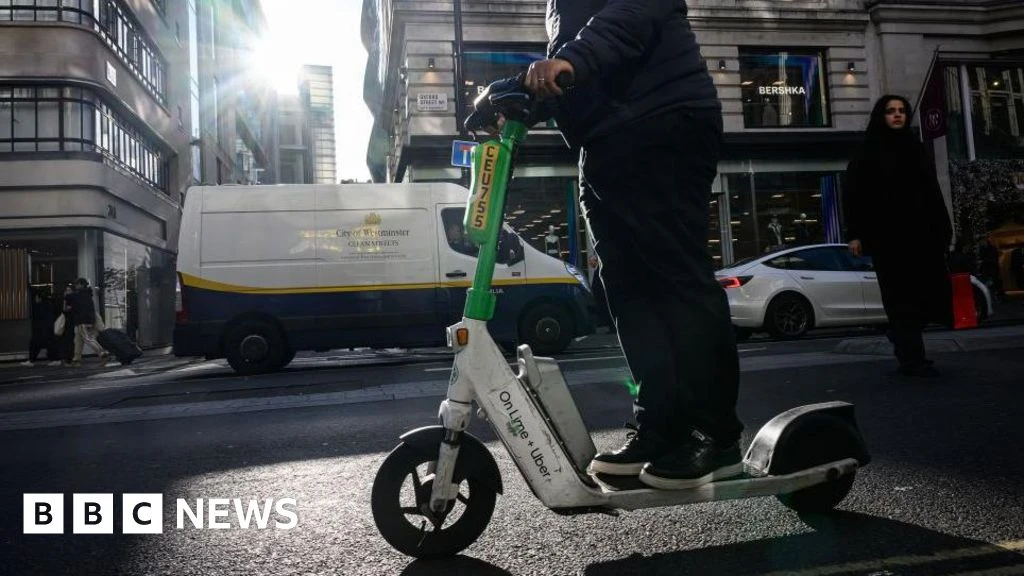
That piecemeal expansion has helped keep the service moving, but it has also underlined the absence of a national settlement. TfL said in March 2026 that the latest data showed continued growth and strong safety performance, while critics have argued the government missed a chance to tighten safety rules. The result is a transport mode that is already part of daily life, but still governed by a patchwork of local trials rather than a single law.