Politics
UK government faces markets as borrowing costs hit century high
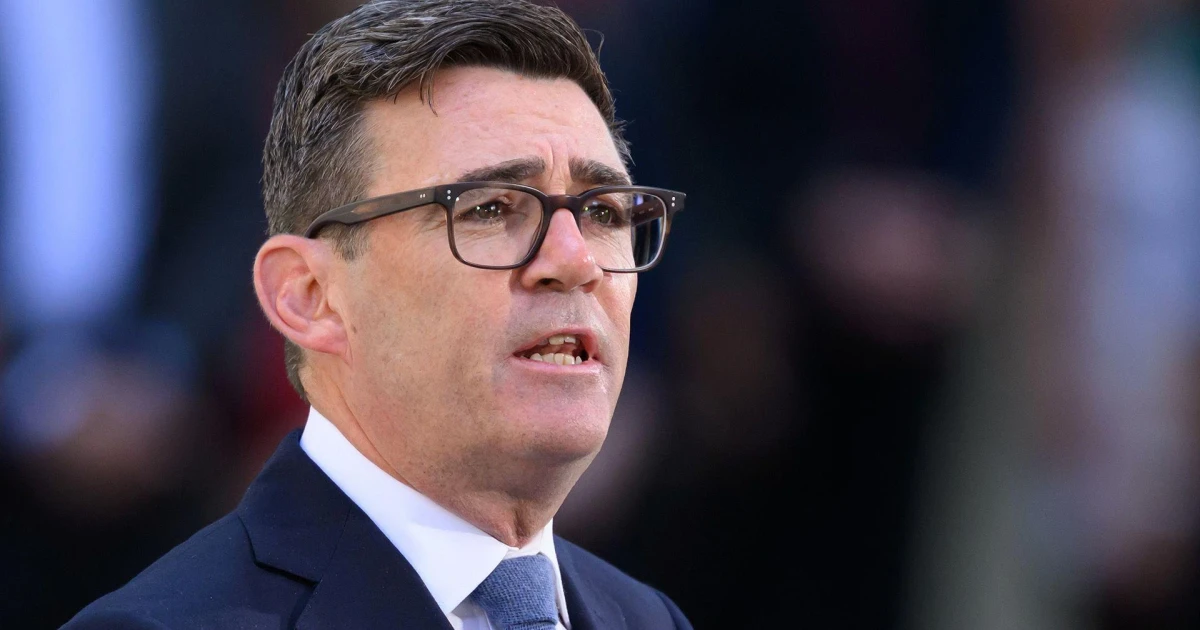
Long-term UK borrowing rates rose to their highest levels this century, sharpening pressure on Rachel Reeves as economists warned the government was “on course” to miss its own Budget borrowing targets. The market move turned the question of who pays for the government's promises into an immediate test for taxpayers, public services and the bond market.
The squeeze had already shown up in the Spring Statement, where welfare was cut back and money for government departments was trimmed to help cover a notable rise in the cost of servicing the national debt. Those choices pushed the burden onto existing spending plans rather than opening room for new commitments, leaving fewer pounds for departmental programmes, local services and any fresh policy pledges.

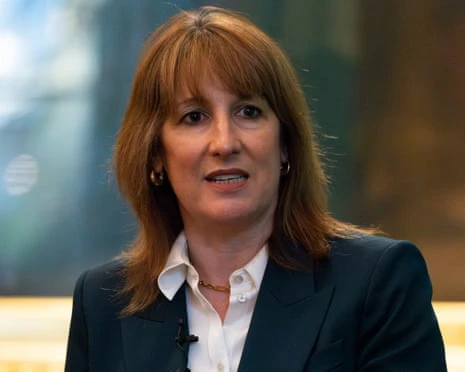
The Office for Budget Responsibility was due to start updating its forecast the following month, with the revised numbers due before parliament in late March. That update mattered because it would set the frame for any fresh borrowing calculations and show how much headroom Rachel Reeves had left against her fiscal rules.

With long-term borrowing costs still elevated, every extra promise now carried a visible price tag. If the forecast deteriorated or markets demanded still higher rates, the government would have had to choose again between spending cuts, weaker services and more borrowing at exactly the moment investors were watching for discipline.