Politics
UK grants conditional pardon to Ruth Ellis in historic justice case

The King granted Ruth Ellis a conditional pardon on July 8, 2026, replacing the death sentence imposed after her 1955 murder conviction with life imprisonment.
Ellis was convicted for shooting and killing David Blakely outside The Magdala pub in Hampstead, London, on April 10, 1955. She was hanged at Holloway Prison on July 13, 1955, after no reprieve was granted and no appeal was lodged. Under today’s law, Ellis might have been able to argue partial defences such as loss of control or diminished responsibility, defences that could have reduced a murder conviction to manslaughter.
The Ministry of Justice said the pardon was granted as an act of mercy in an exceptional case and that it does not declare Ellis innocent. Instead, it rewrites the punishment, substituting life imprisonment for the death sentence. The application was brought by four of Ellis’s grandchildren, who argued that her responsibility had been profoundly shaped by abuse and circumstances the court did not properly recognise in 1955.

David Lammy told MPs that the King had accepted the government’s advice to grant the pardon. Pam Cox raised the case in the House of Commons on behalf of the family, and Laura Enston said the decision formally acknowledged that Ruth should not have been executed. Their intervention placed Ellis’s case back in the centre of a long-running argument about whether the justice system failed a woman whose relationship with Blakely was marked by violence and control.
The Criminal Cases Review Commission revisited the conviction after an application in August 1999 and referred the case in February 2002. The review found that Blakely had taunted and rejected Ellis, and that he punched her in the stomach while she was pregnant, after which she miscarried. Even so, the Court of Appeal upheld the conviction in September 2003.
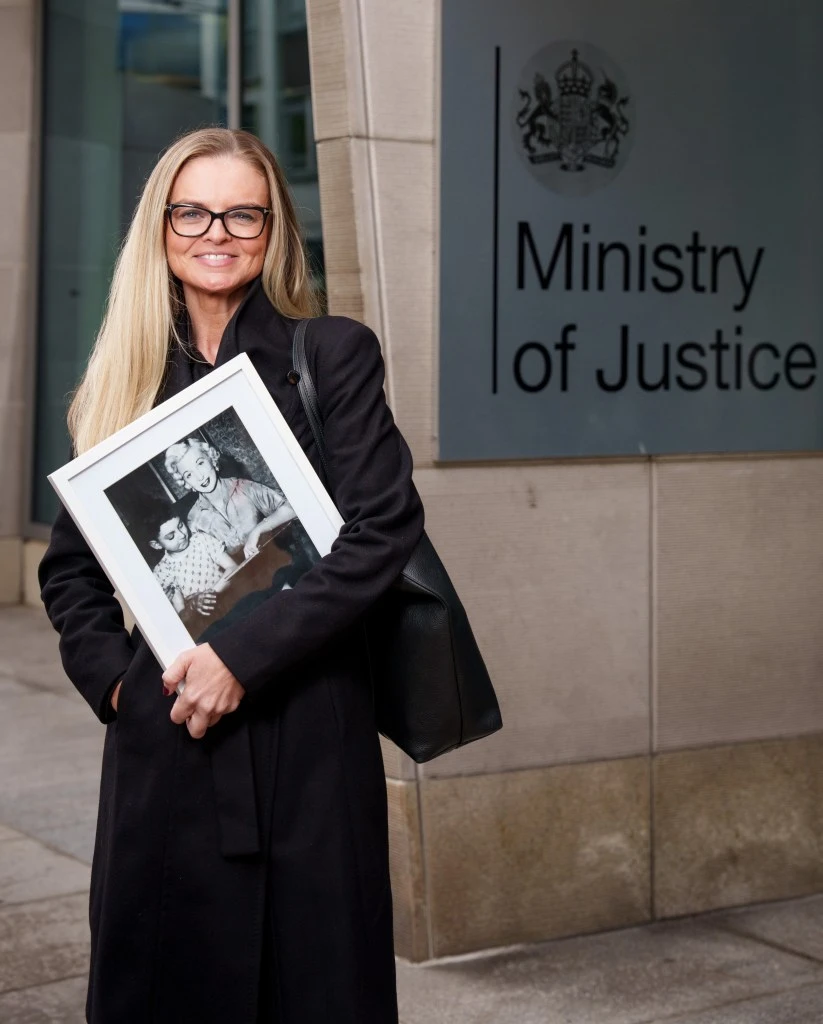
The conditional pardon does not erase the conviction, but it does formally change the state’s treatment of the sentence.
Sources
- [1]bbc.co.uk
- [2]gov.uk
- [3]ccrc.gov.uk
- [4]yahoo.com