Health
UK heatwave food and drink tips to stay cool and safe
Temperatures went above 40C in the UK for the first time in July 2022, and hot weather can lead to dehydration, overheating, heat exhaustion and heatstroke. The people most likely to struggle include older adults, babies and young children, pregnant people, those with long-term conditions, outdoor workers and anyone whose medicines make them more vulnerable.
Why food matters when the temperature rises
The body works harder to stay cool in hot weather, and that can blunt appetite. People often feel less hungry because the body is trying to avoid overheating, and dehydration can compound the problem and make heavy meals feel less appealing. That is why a heatwave eating plan has to do two jobs at once: keep fluids coming in and still deliver enough energy, protein and salt to prevent weakness, dizziness and sluggishness.
UK Health Security Agency guidance says the warmest years on record in the UK have all occurred since 2002, 2,803 deaths among people aged 65 and over in England were estimated to be due to heat in 2022, and heat-related deaths could triple by 2050.
Build meals around water-rich foods
Cold, simple foods are the most practical choice when appetite drops. Cold food and regular cold drinks help, and Guy's and St Thomas' NHS Foundation Trust recommends cold drinks and cold food such as salads and fruit. That means reaching for foods that carry water with them, not just foods that happen to come straight from the fridge.
Good options include:
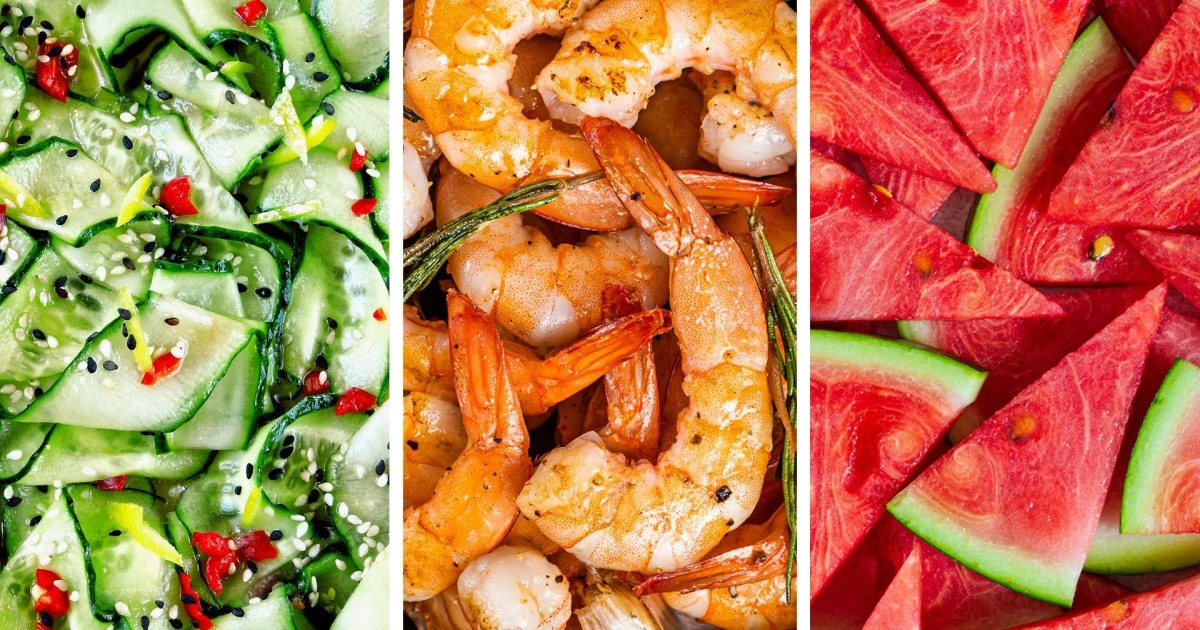
• Watermelon, cucumber and oranges, which add fluid along with vitamins and fibre. • Leafy greens and salad vegetables, which are light enough to eat when the idea of a hot meal feels unbearable. • Yoghurt and smoothies, which can provide calories, protein and hydration in a form that is easier to manage than a heavy plate of hot food. • Chilled soups, which can deliver vegetables and salt without heating the kitchen. • Herbal drinks and other non-caffeinated cold drinks, which can help build fluid intake through the day.
Keep the meal small, cold and frequent
Big meals can feel punishing in a heatwave. Nutrition expert Phil Beard says appetite often falls in the heat and digestion generates heat, which makes heavy, greasy foods, spicy meals and excessive protein harder to handle. The most useful response is to shrink the size of each meal and eat more often.
That can mean a chilled breakfast, a light lunch and an easy evening meal rather than one large hot dinner. A bowl of yoghurt with fruit, a sandwich with salad vegetables, or chilled soup with bread can be enough to keep energy up without making you feel weighed down. For people who are already fatigued by hot weather, smaller meals can also reduce the chance of nausea or that hollow, drained feeling that comes when the body is working too hard to digest a heavy plate.
Protein still matters, especially for children, older adults and people recovering from illness. The goal is not to cut it out, but to choose lighter forms, such as yoghurt, milk-based drinks, eggs, beans, fish or chicken served cold, rather than dense fried or very rich dishes.
What to avoid when the heat is up
Some foods and drinks make heat stress worse. Heavy, greasy and very spicy foods can sit badly in the stomach, while very salty foods can push thirst higher and make dehydration harder to reverse. Excess alcohol also works against hydration, so it should be limited in hot weather.
Caffeine is another thing to watch, especially for people already struggling with fluid intake. Guy's and St Thomas' NHS Foundation Trust advises avoiding excess caffeine and alcohol, and that advice fits the broader goal of keeping drinks simple and hydrating. If a hot drink feels necessary, a small amount may be manageable, but it should not replace water, milk, diluted juice or another cold drink.
Make the food plan match the weather plan
Food choices work best when they fit the rest of the day. Avoid direct sunlight, especially between 11am and 3pm, and use electric fans only if the temperature is below 35C. That means the hottest part of the day should be the time for staying indoors, drinking regularly and eating simple cold meals rather than cooking or queuing outside for food.
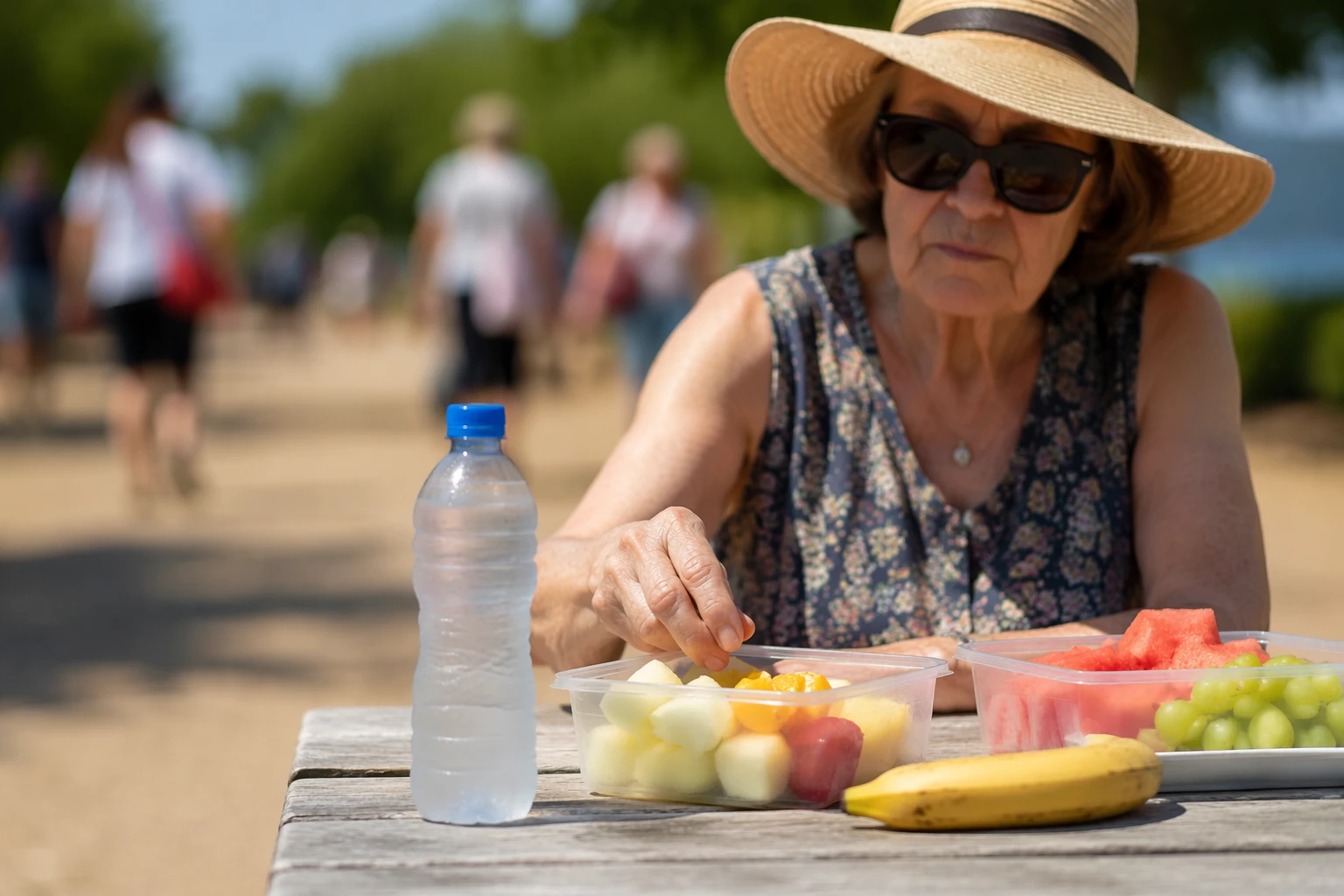
A practical day in hot weather can look like this: start with a cold breakfast, keep a bottle of water nearby, eat a light lunch with salad vegetables or chilled soup, then have a fruit- or yoghurt-based snack before dinner. If cooking feels impossible, a sandwich with cold protein, fruit, yoghurt and a handful of vegetables can be enough to hold a person over until the evening cools.
Food safety still matters in a heatwave
Hot weather does not only affect the body; it affects food itself. GOV.UK’s food safety guidance says chilled and frozen items should be selected last when shopping in a heatwave, so they spend less time warming up on the way home, and food should not be left out for longer than two hours when temperatures are higher than usual.
That means planning a shopping trip with the cold items at the end, getting home quickly and putting perishables away promptly. The fridge should be kept around 5C if possible, overfilling it should be avoided, and the door should not be opened more often than necessary.
Who needs the most protection
Children, older adults, outdoor workers and people with long-term conditions need extra care because they can lose fluid or overheat faster. The NHS also includes pregnant people, people who are homeless and people taking medicines that increase vulnerability among those at higher risk. In practical terms, that means checking whether a child has actually drunk enough, whether an older neighbour has eaten and whether someone working outside has access to cold drinks and shade.
Check on friends, neighbours and family who may be at higher risk, because a missed drink, a skipped meal or a forgotten medicine can become serious during a stretch of extreme heat.
Sources
- [1]bbc.co.uk
- [2]nhs.uk
- [3]gov.uk
- [4]guysandstthomas.nhs.uk
- [5]womenshealthmag.com
- [6]time.com
- [7]metoffice.gov.uk