World
UK infrastructure braces for heat as rail and power risks grow

On Tuesday 19 July 2022, there were no trains on the East Coast Main Line from London King’s Cross. Heat pushes the UK’s rail and power systems past the climate assumptions built into them. Overhead lines sag, rails buckle and the ground beneath track shifts, turning ordinary journeys into slow-running services, diversions and cancellations.
The weak points are built into the network
Hot weather can make overhead power lines expand and sag, which forces trains to travel more slowly. If those lines are damaged, services can be cancelled or diverted until repairs are complete. The same heat can also cause rails to buckle, a failure that starts as a geometry problem and quickly becomes a safety problem for passengers and crews.
That creates a hard engineering trade-off. The industry has to strengthen summer resilience without making tracks more vulnerable in winter if they are designed only for extreme heat. In practice, that means the fix is not a single upgrade but a chain of design choices across wires, rails, fastenings, inspections and maintenance schedules.
July 2022 showed how fast the system can fail
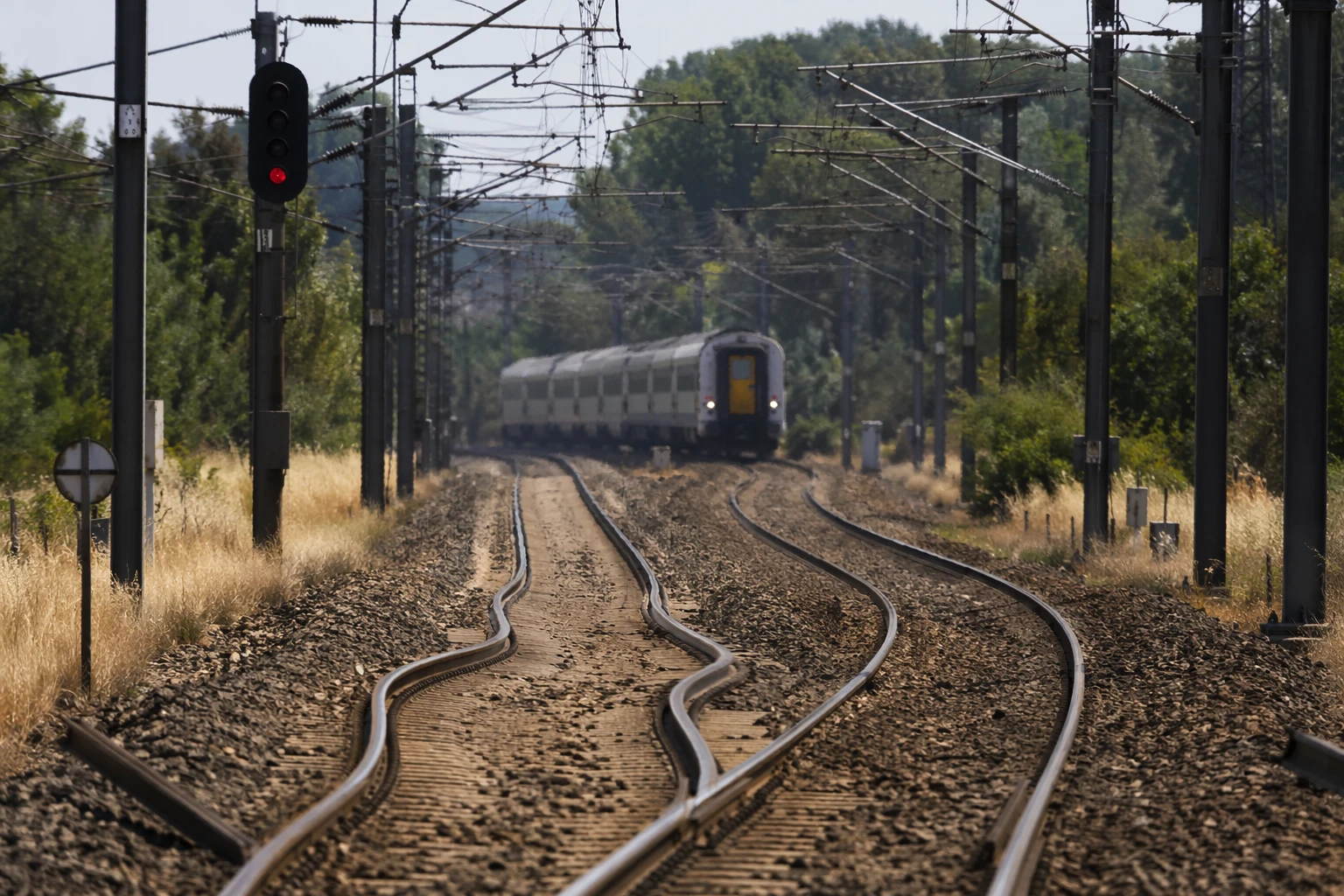
The Met Office recorded the UK’s first 40C temperature during the July 2022 heatwave. During that spell, Network Rail imposed abnormal safety measures and rail services were severely disrupted, with reduced timetables, cancellations and diversions.
Network Rail issued a do-not-travel warning as the network reacted to tracks buckling and overhead cables sagging.
Power grids fail under the same heat
The railways were not the only system under strain. During the July 2022 heatwave, 15,000 properties in Yorkshire, Lincolnshire and the Northeast lost electricity, the Met Office said. Transmission lines were visibly sagging, a sign that the same physics affecting rail wires was also affecting power infrastructure.
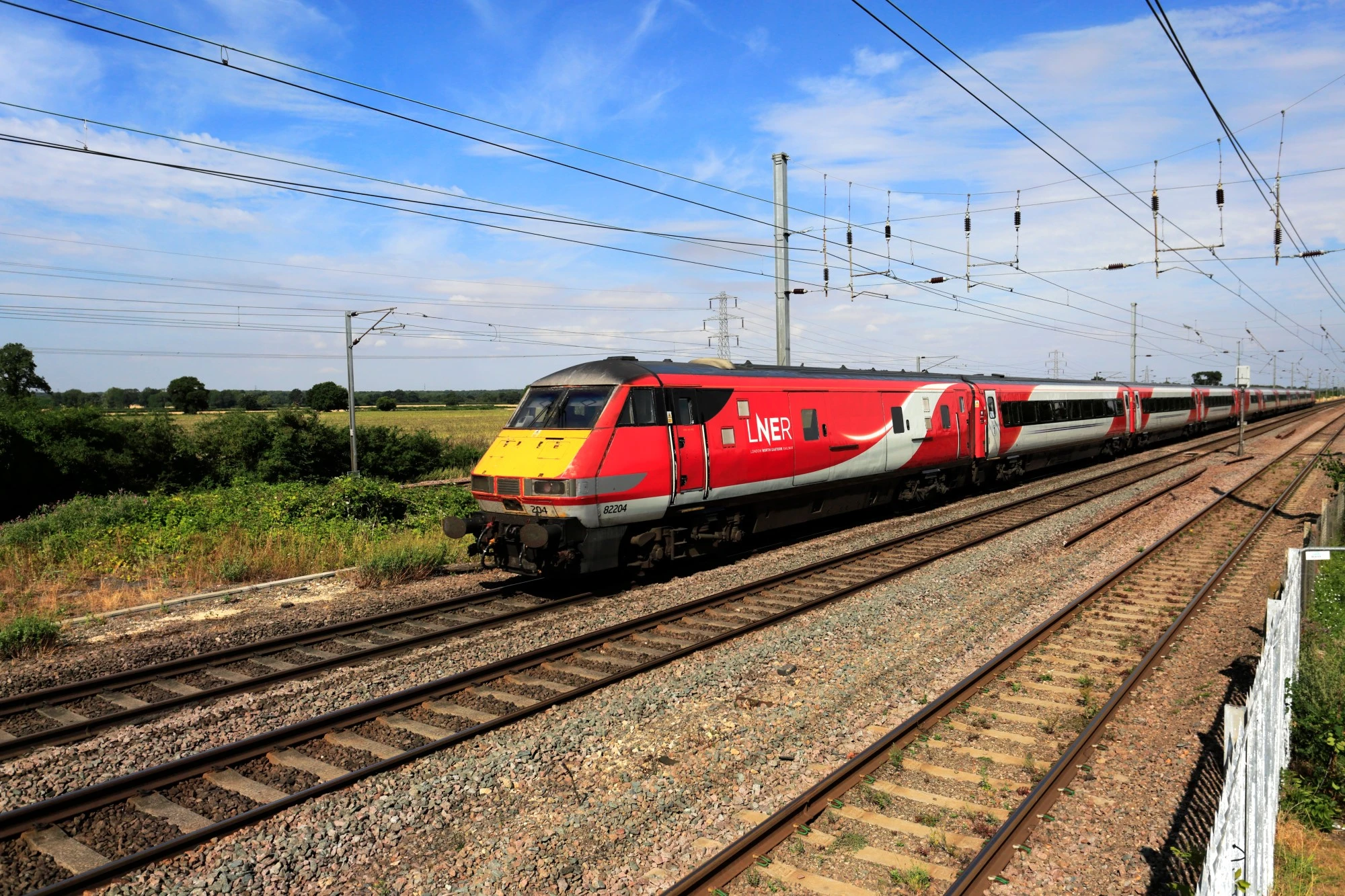
A UK government report published on 11 March 2025 found that, among generic energy assets in the UK energy system, power sector networks were the most vulnerable category to extreme heat and heatwaves.
Fixing heat risk is a year-round job
Managing heat on the railway is a cross-industry, whole-year exercise, the Institution of Engineering and Technology said in July 2025. Heat resilience is not something rail engineers can bolt on during a brief summer campaign. It requires planning across operators, infrastructure managers, maintenance crews and emergency responders long before temperatures spike.
Network Rail’s Extreme Heat Task Force said the extreme temperatures on 18 and 19 July 2022 required abnormal measures to protect passenger safety, but those measures came with major disruption. Slowing trains, shutting sections of line and rerouting traffic are the visible costs; the less visible ones are repeated inspections, rail treatment, line monitoring and the capital cost of rebuilding assets for hotter summers.
The bigger climate trend is already here
The Met Office recorded 2013 to 2022 as the warmest ten-year period in the UK record. These disruptions sit inside a warming pattern that makes extreme heat more likely and more damaging to systems that were not designed with today’s temperatures in mind.
European transport officials are already dealing with buckling tracks and other heat-related infrastructure failures.
Sources
- [1]bbc.co.uk
- [2]networkrail.co.uk
- [3]metoffice.gov.uk
- [4]weather.metoffice.gov.uk
- [5]gov.uk
- [6]theiet.org