World
UK jets intercept Russian patrol plane near HMS Prince of Wales
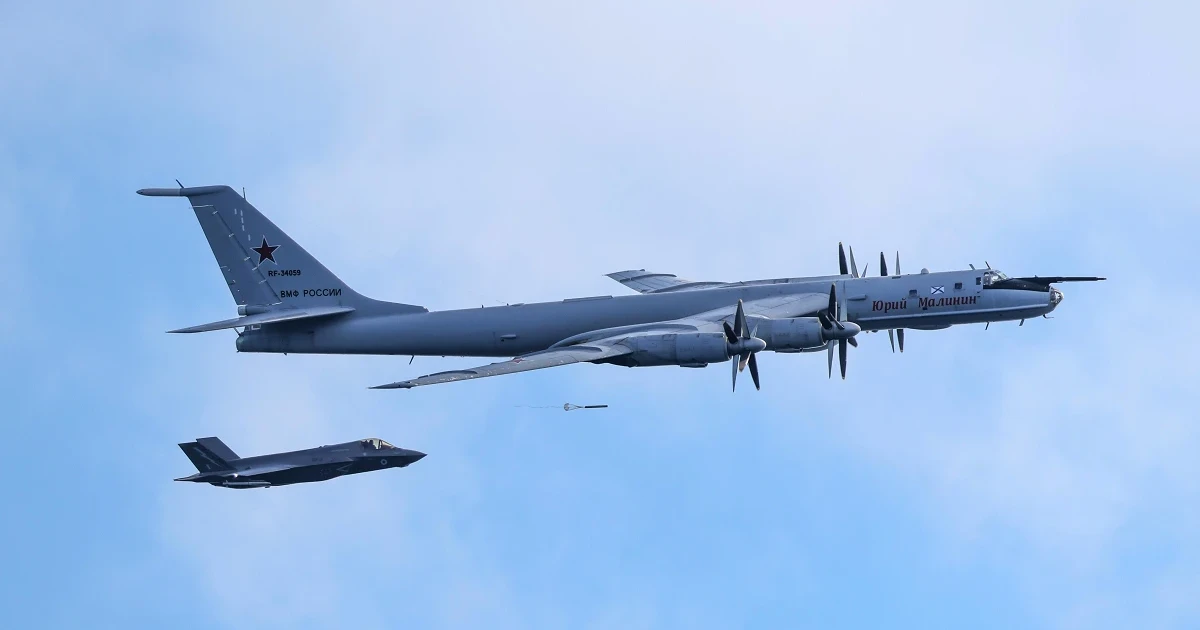
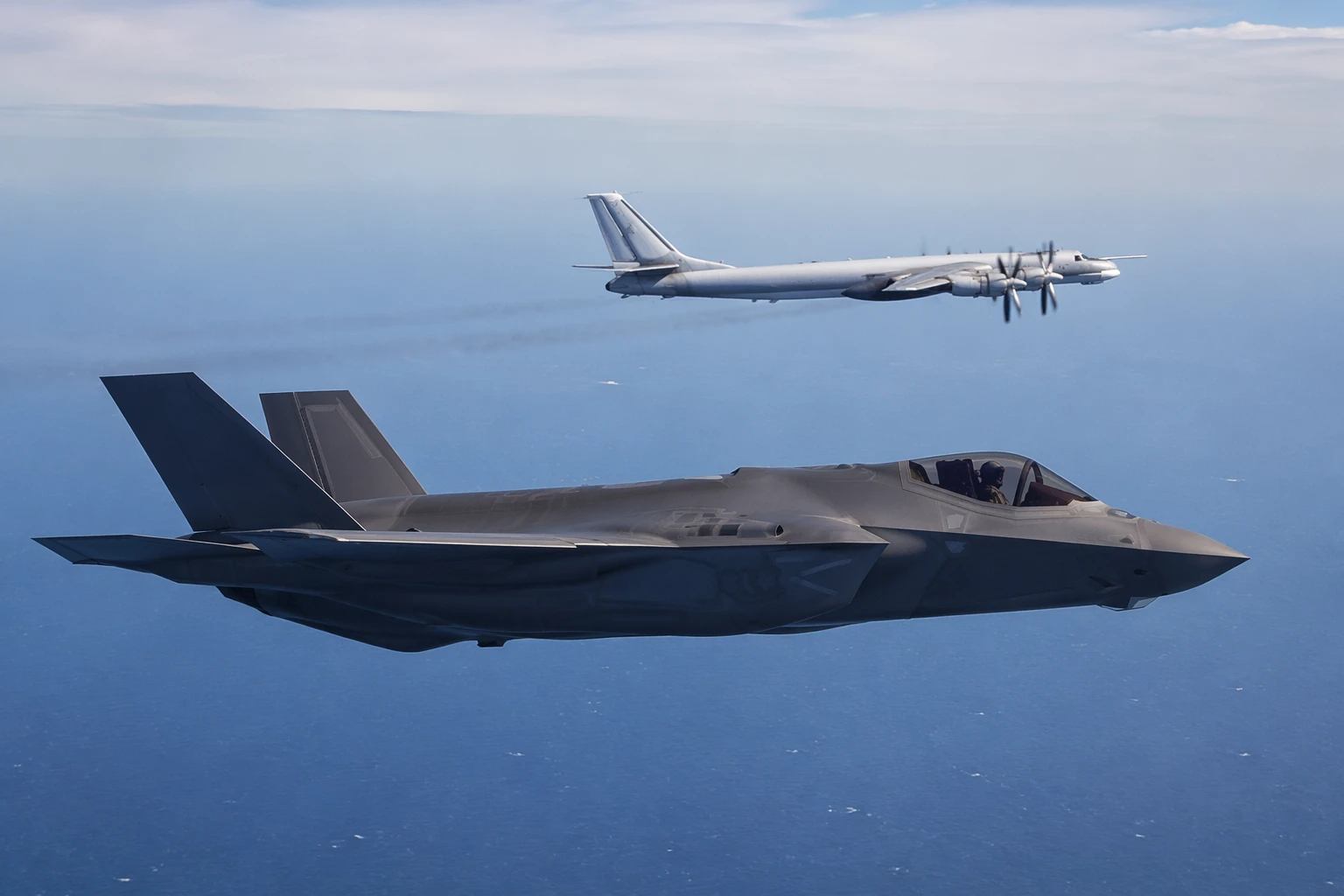
Two Royal Navy F-35B jets launched from HMS Prince of Wales on the afternoon of 2 July after a Russian Tu-142 Bear F maritime patrol aircraft repeatedly closed on the UK Carrier Strike Group in the Norwegian Sea. The Ministry of Defence said the Russian plane flew at low altitude and unacceptably close to the carrier before the British fighters intercepted it and escorted it away.
The encounter was not a one-off clash so much as another test of NATO’s northern flank. British officials described the Russian aircraft’s movements as unsafe and unprofessional, language that reflects how routinely Western forces shadow Russian patrol aircraft while still drawing a hard line when those flights become too close, too low or too provocative around a carrier group. In this case, the Tu-142 also dropped a large number of sonobuoys near HMS Prince of Wales, adding a more aggressive anti-submarine element to the approach.
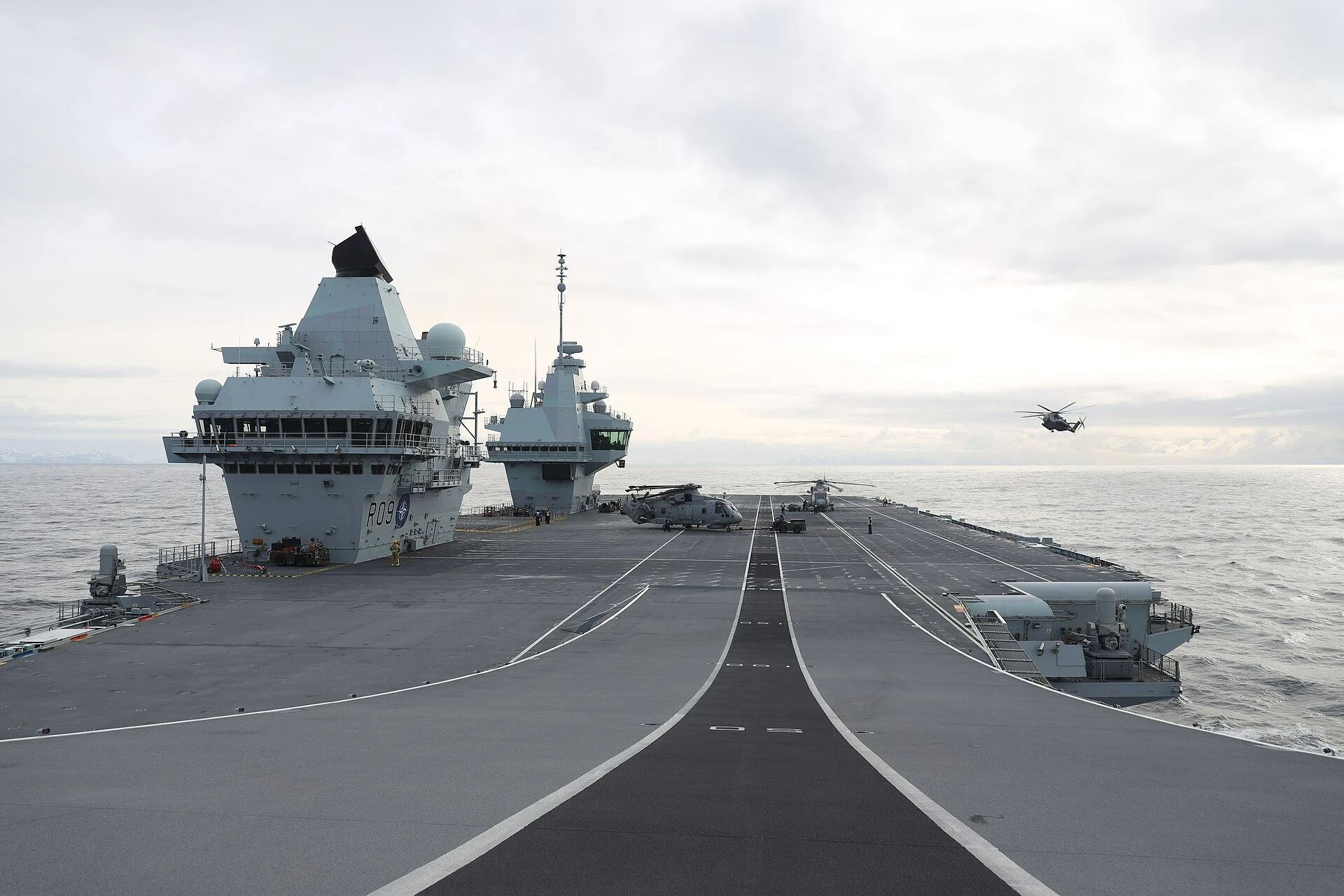
Operation Firecrest put the carrier strike group deep into a strategically important corridor that links the North Atlantic, the Arctic and the High North. The deployment, led by HMS Prince of Wales and operating under NATO command, was designed to show that the Royal Navy can move a carrier, embarked fighters and escorts into waters where Russia has been increasing its military presence and where sea lanes and undersea infrastructure are seen as vulnerable.
The UK government has said Russian military activity in the North Atlantic has continued to rise, and it has cited a 30% increase in Russian navy vessels threatening UK waters over the previous two years. That backdrop makes the intercept more significant than a single close pass: it is part of a wider pattern of probing around NATO’s boundaries, where Russian patrol aircraft, surface ships and submarines are watched closely and met immediately by allied air and naval assets.
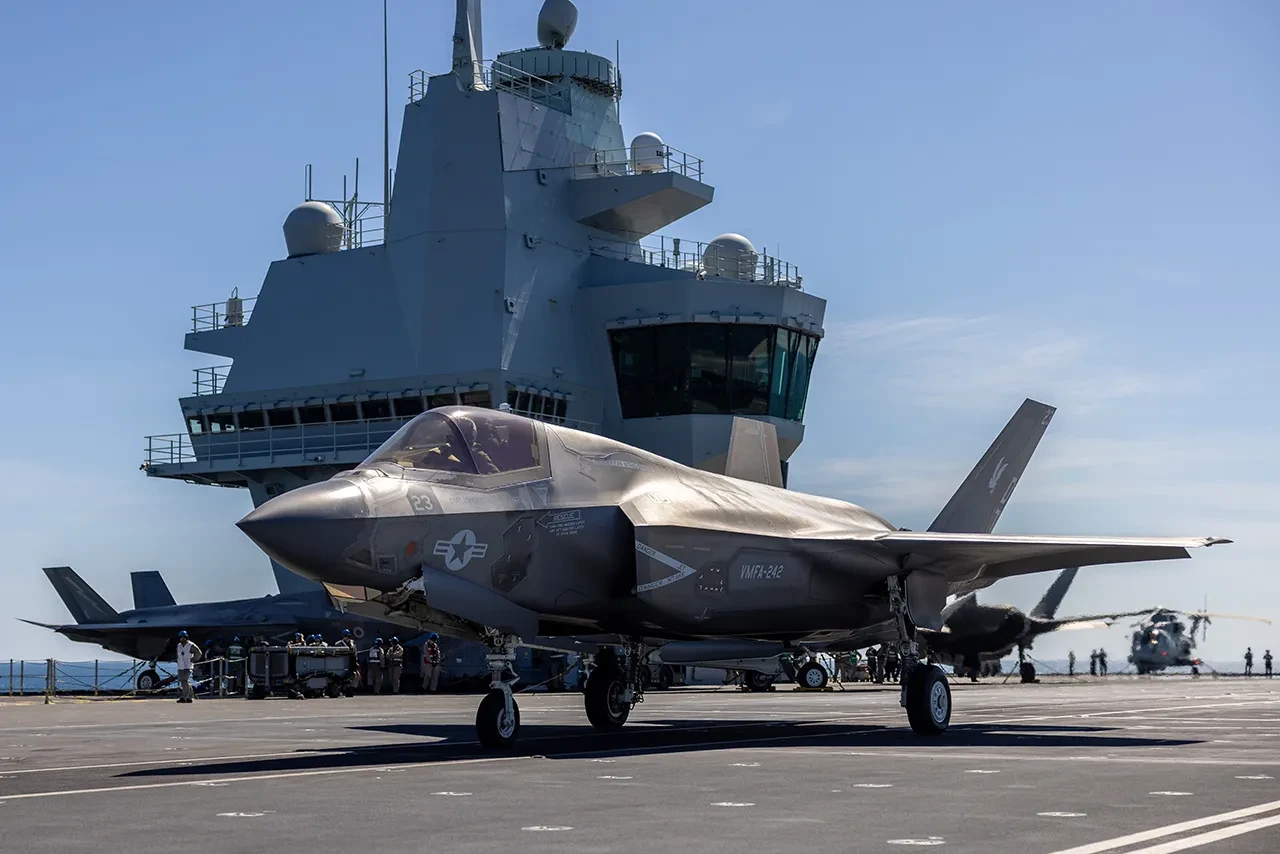
HMS Prince of Wales was already flying with embarked F-35Bs as part of major allied air power activity when the Tu-142 came in. The British response showed that the carrier group was ready to meet a challenge in real time, while the Russian flight underlined how quickly routine monitoring missions in the Norwegian Sea can edge into a more dangerous contest over control, warning time and escalation risk.
Sources
- [1]bbc.co.uk
- [2]politico.eu
- [3]gov.uk
- [4]telegraph.co.uk
- [5]reuters.com
- [6]royalnavy.mod.uk