Business
UK judge rejects most claims in massive diesel-emissions case
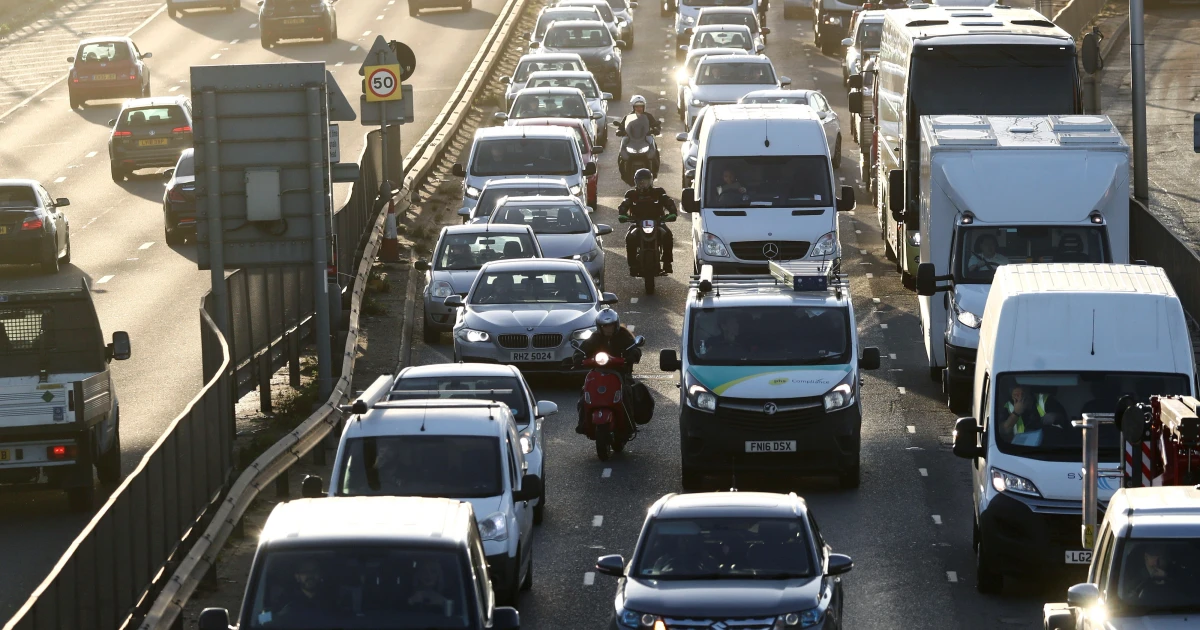
A London judge has handed Britain’s biggest diesel-emissions lawsuit a major procedural setback for claimants, rejecting most of the principal allegations across a case involving about 1.6 million motorists and 20 sample vehicles from Mercedes-Benz, Ford, Renault, Nissan and Stellantis-owned brands. The ruling leaves the wider fight alive, but it sharply narrows what drivers can still try to prove before a damages hearing.
Judge Sara Cockerill delivered the first-stage judgment on July 10, after a trial that began in October 2025 and ended in March 2026. The court’s decision now shapes how the next phase will proceed for roughly 800,000 similar claims involving other carmakers as well.
The core legal question is whether diesel cars were fitted with prohibited defeat devices, the kind of software or hardware that alters emissions controls when a vehicle senses it is being tested. Cockerill said that, under the relevant rules, a defeat device must operate with the intentional and/or impermissible purpose of making the emissions-control system behave differently in a test cycle. Claimants have to show more than dirty engines in real-world use: they must show a device designed to game the test.
That standard proved hard to meet across most of the sample vehicles. Still, the judgment did not clear every defendant. The court made an adverse finding against Mercedes over a coolant temperature device used in some cars and later removed in a December 2015 software update. One Mercedes functionality was held to be a prohibited defeat device in its initial calibration, although three of the four Mercedes sample vehicles were found not to contain any prohibited defeat device. The judge also made an adverse finding over a combustion mode used in some Peugeot-Citroen vehicles.
Their lawyers are considering an appeal, arguing the court adopted a stricter interpretation than is used elsewhere in Europe. Cockerill said appeals were highly likely and that permission to appeal would probably be granted. A compensation hearing is scheduled for October 2026, and the outcome will determine whether any of the remaining claims can translate into damages.
Volkswagen’s dieselgate scandal erupted in 2015, later led to an English High Court decision against the company in 2020, and was settled in 2022 without an admission of liability. Volkswagen has paid more than 32 billion euros in vehicle refits, fines and legal costs.
Sources
- [1]money.usnews.com
- [2]brickcourt.co.uk
- [3]globallegalpost.com
- [4]cnbc.com