World
UK man jailed for urging US teen to shoot himself on Discord
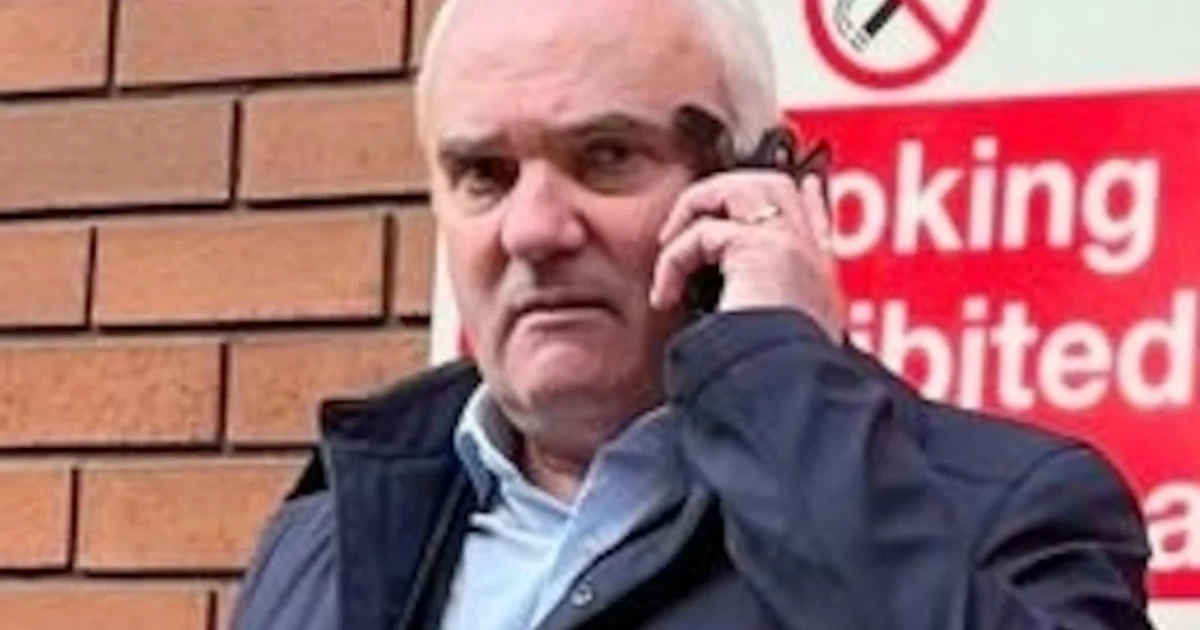
A 21-year-old man from West Yorkshire was sent to prison after prosecutors said he urged a vulnerable American victim to shoot himself during a Discord video call. The case turned a private online exchange into a criminal prosecution with international reach, and it now stands as a test of how far criminal law can follow real-time digital abuse.
Dylan Phelan, of Morley, was sentenced at Leeds Crown Court to six years and four months in prison and given a 10-year sexual harm prevention order. Prosecutors said Phelan and Travis Dyer, 21, from Theriot, Louisiana, had been communicating for several months on Discord before the fatal call on 30 October 2024. Phelan pleaded guilty on 11 March 2026. He had gone to Elland Road Police Station in Leeds with his parents on 27 March 2025 and reported his involvement in the online events.
The Crown Prosecution Service said the abuse was not isolated. Investigators found that Dyer had faced sustained and serious encouragement to self-harm from members of the online group in the months before his death. The video call also involved two other people based in the United States, widening the picture of a group dynamic that prosecutors said escalated into lethal coercion. Sky News reported that Phelan could be heard urging Dyer to pull the trigger and laughing afterward. Prosecutors said Phelan admitted his words were a factor in Dyer’s suicide.

The case raises hard questions about public health and platform responsibility as much as criminal liability. Discord and similar live chat spaces can connect isolated users to peers, but they can also become fast-moving environments where vulnerability is exploited in real time. The prosecution highlights the growing expectation that platforms, moderators and law enforcement should be able to detect and interrupt suicidal manipulation before it crosses from abuse into irreversible harm.
The legal backdrop has also shifted. The Online Safety Act 2023 created a communications offence covering encouragement or assistance of serious self-harm by electronic communications, reflecting Parliament’s attempt to address conduct that used to be treated as toxic but not always criminal. CPS data says six cases of encouraging or assisting suicide have been successfully prosecuted, with two more charged and acquitted after trial, while eight cases were referred onward for prosecution for homicide or other serious crime.
For Dyer’s family, the case sits within a deeper tragedy. Sky News reported that he had lost his mother and younger sister in a car crash about 10 years earlier. For prosecutors, the broader lesson is that digital coercion can be as devastating as physical proximity, and the law is being pressed to keep pace with harm that now travels instantly across borders.