Business
UK manufacturers warn high power bills are driving jobs abroad
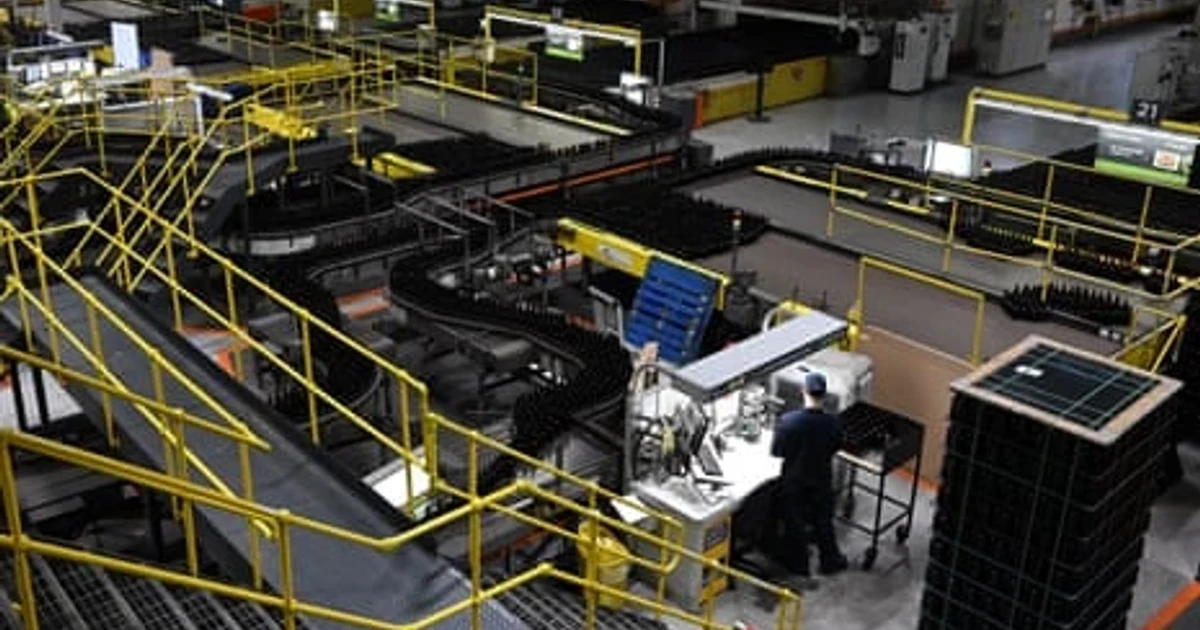
Britain’s industrial base is under fresh strain from power bills that manufacturers say are no longer just a cost issue, but a threat to plants, payrolls and future investment. Make UK said energy-intensive firms were finding it harder to absorb electricity costs, and that some companies were already shifting production overseas rather than risk keeping it in Britain.
The warning comes as the government tries to persuade industry that relief is on the way. A year ago, ministers launched a strategy promising lower electricity bills through exemptions from some green levies, but Make UK said the package had not yet delivered enough for many firms. In its latest survey, more than half of manufacturers said they had seen no benefit from the policy, while roughly a quarter said they had already moved production abroad or were actively considering it.
That matters because the pressure is now reaching day-to-day business decisions. Make UK’s Executive Survey 2026, published on January 12, found nearly 9 in 10 manufacturers expected employment costs to rise this year, while energy costs remained a major concern and a risk to future investment. Separate reporting on June 15 said 1 in 4 companies were moving activity overseas, more than a quarter had less than a year of cashflow left, and more than half still had not seen any benefit from the industrial strategy.
The scale of the problem has sharpened attention on Britain’s position relative to rival industrial economies. Make UK has previously said Britain had the highest industrial energy prices among International Energy Agency members in 2023, while Nissan said its Sunderland plant carried the highest energy costs of any of its facilities worldwide. For manufacturers running constant, power-hungry operations, those bills can decide whether a line stays open, whether a new machine is installed and whether jobs remain in the UK or follow investment elsewhere.
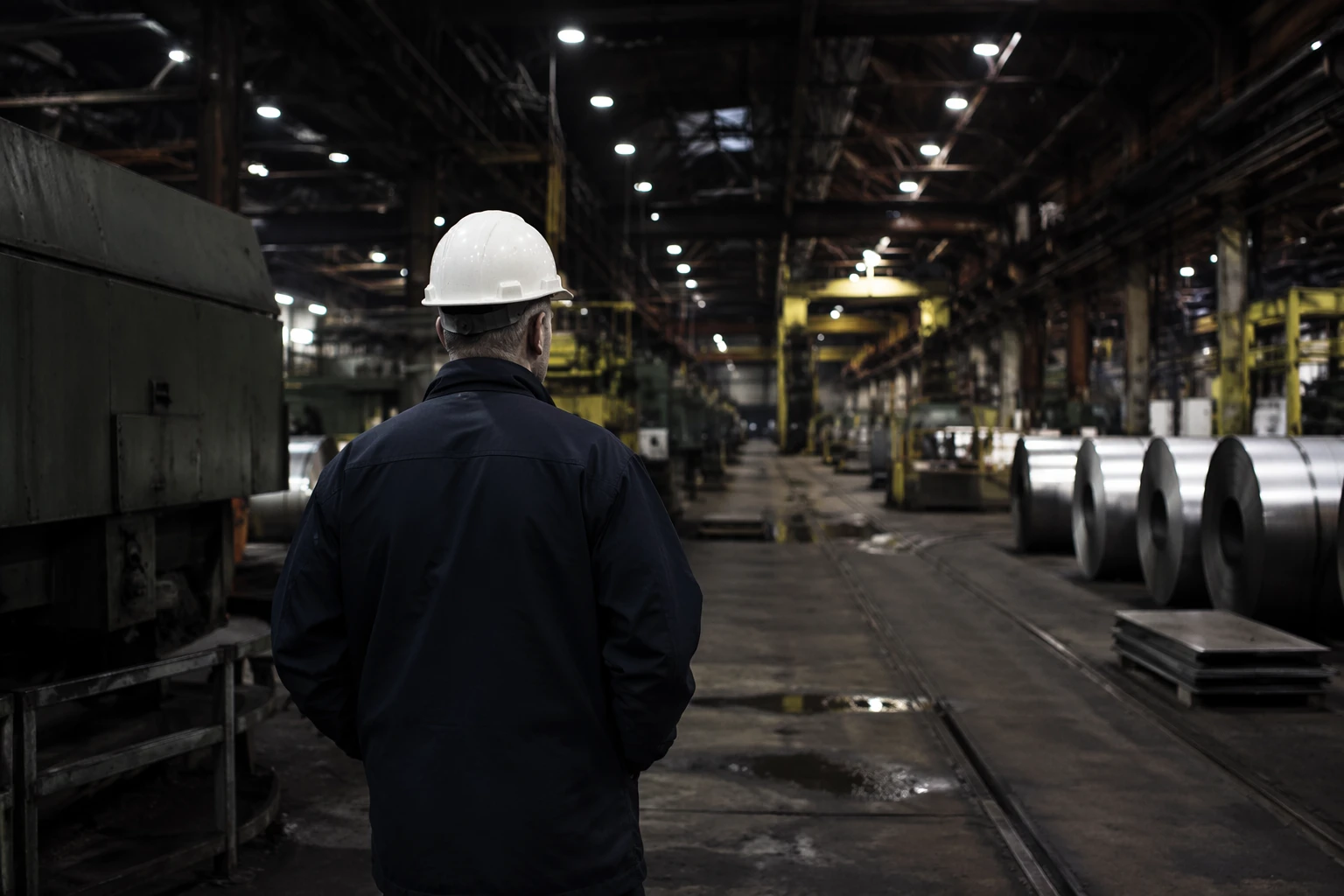
Ministers have already tried to narrow the gap. On June 22, 2025, the government announced that electricity costs for more than 7,000 businesses would be cut by up to 25% from 2027 under the British Industrial Competitiveness Scheme. Eligible manufacturers in sectors including automotive, aerospace and chemicals were promised exemptions from levies such as the Renewables Obligation, Feed-in Tariffs and the Capacity Market, while the most energy-intensive industries, including steel, chemicals and glass, were due to see their network-charge discount rise from 60% to 90% starting in 2026.
For industry leaders, the test is no longer whether Britain understands the problem. It is whether the policy arrives fast enough to stop production lines, investment and skilled work from migrating to countries with cheaper power and deeper industrial support.