Lifestyle
UK music festivals use perks and instalments to lure early buyers
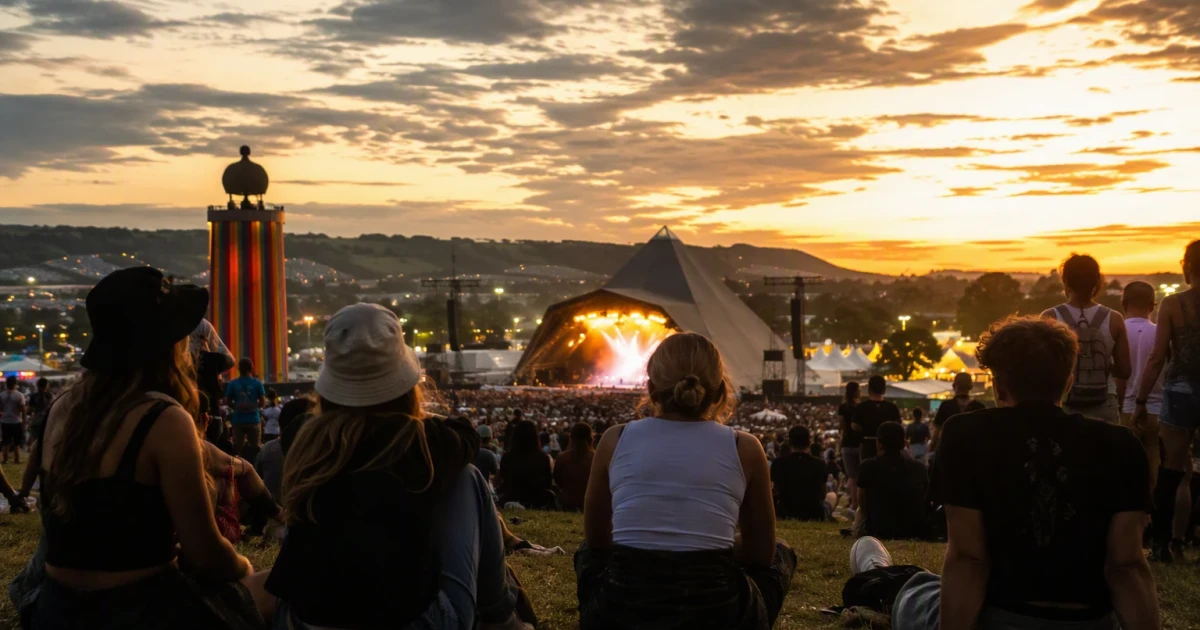
The Long Road told fans on May 28, 2025 that they could still spread the cost of tickets, while All Points East promoted monthly payment plans and said earlier bookings would mean lower monthly payments. Ticketmaster’s UK festival guide now advertises its own instalment option for some 2026 festival tickets, a sign that payment flexibility has become part of the sales pitch as organisers try to lock in buyers sooner.
The push comes after several bruising years for the sector. In late June 2024, the Association of Independent Festivals said 50 UK festivals had been cancelled, postponed or completely closed that year. BBC News said at least 42 UK festivals had announced a postponement, cancellation or complete closure in 2024, while AIF said in February 2024 that 36 had already been cancelled in 2023 and six more had gone in 2024. The pressure has been building for years: Reuters reported in January 2021 that UK music festivals would have to start pulling the plug for a second year in succession without government support.
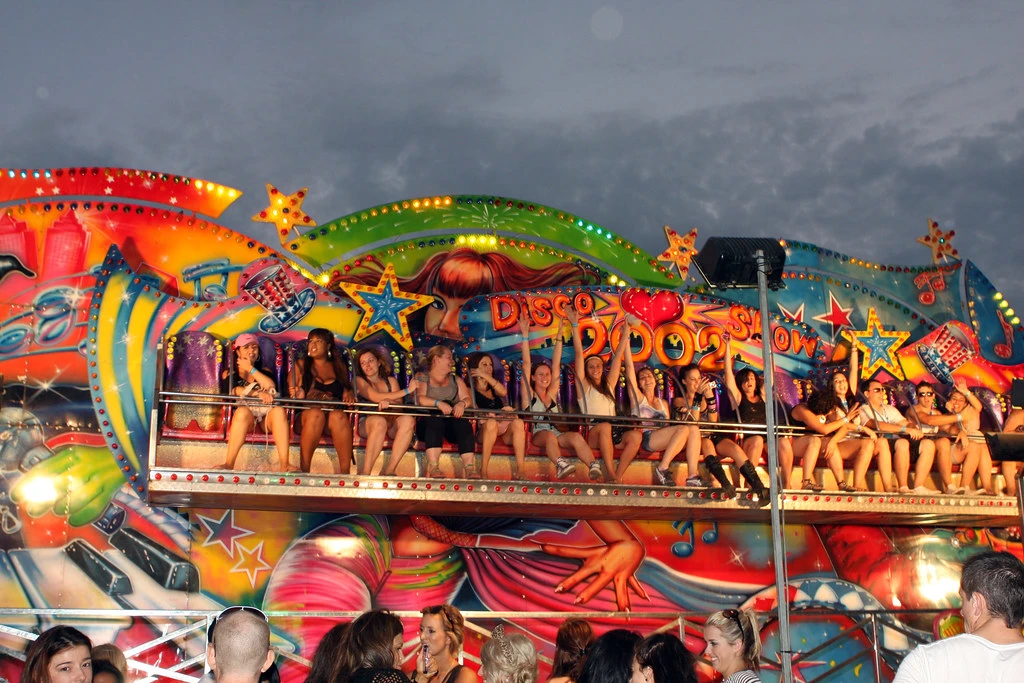
Rising costs remain central to the problem. Organisers across the UK and Republic of Ireland have pointed to higher insurance bills, talent fees, security requirements and production costs, along with weather risk that can wipe out margins in a single weekend. BBC News described many festivals as struggling to survive. For smaller and mid-sized events, the response has often been to trim lineups, cut the number of stages, sell early-bird tickets well before summer, or bundle extras such as better camping pitches and food credits.
That shift is also a reaction to household budgets. In May 2025, The Guardian reported that festivalgoers were using split-payment plans and second jobs to afford rising ticket prices. That kind of consumer strain helps explain why organisers are leaning harder into instalments and perks: the aim is not just to sell out, but to make a festival feel manageable in a month-by-month household budget.
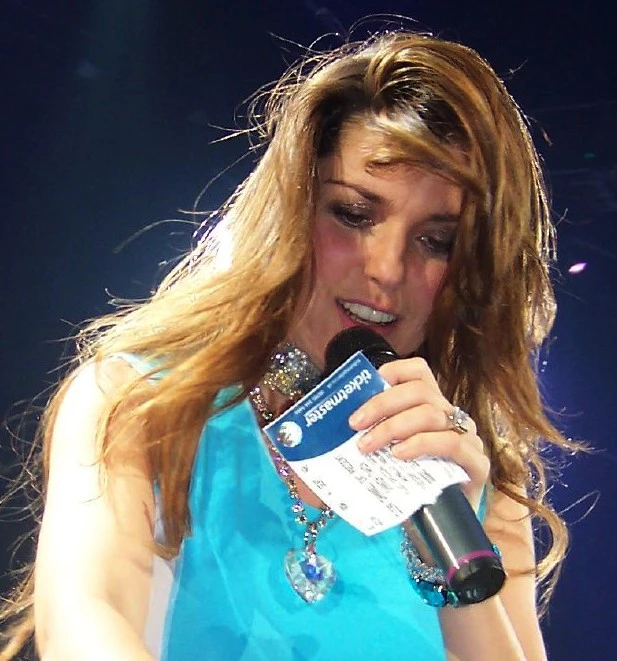
The strategy is visible at the top end as well as among smaller events. Reuters reported that Glastonbury 2025 opened its gates on June 25 to around 200,000 ticket holders, showing that major brands can still draw huge crowds even as the broader market remains fragile. But the sector’s recovery looks uneven. Festivals are not simply rebounding to pre-pandemic strength; many are adapting to weaker discretionary spending by lowering the upfront cost of attendance and trying to convert cautious browsers into committed buyers earlier in the year.
Sources
- [1]reuters.com
- [2]aiforg.com
- [3]bbc.com
- [4]independentmusicinsider.com
- [5]theguardian.com
- [6]facebook.com
- [7]guides.ticketmaster.co.uk
- [8]instagram.com