Business
UK nationalises British Steel to protect jobs and supply chains
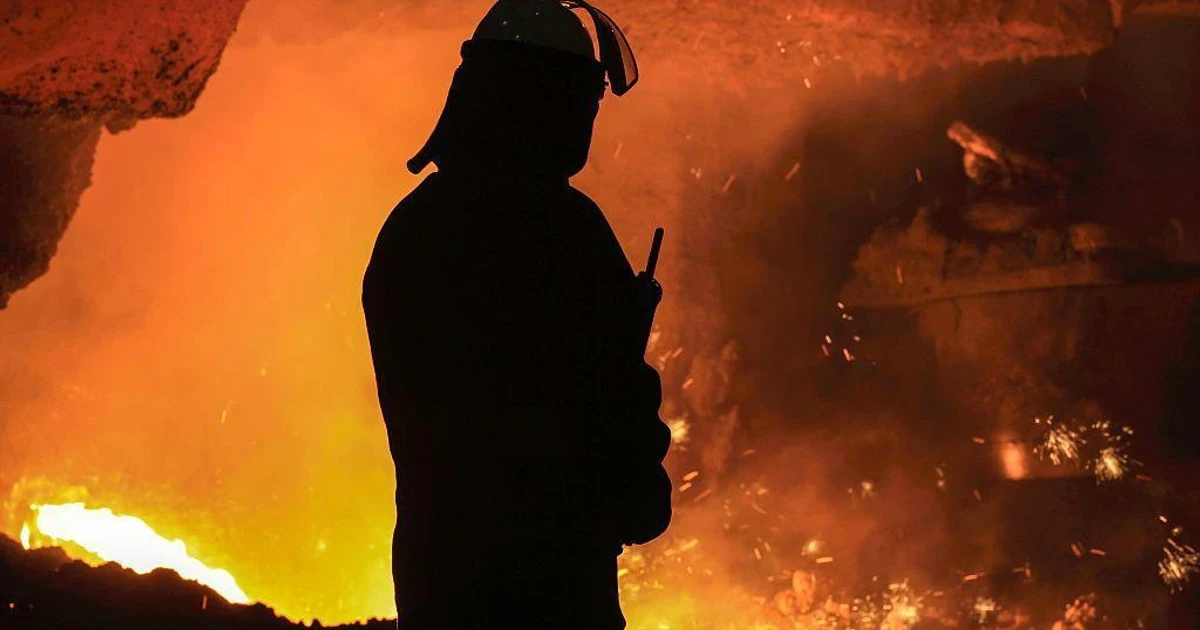
The government took British Steel into public ownership on 16 July 2026 after the Steel Industry (Nationalisation) Act received Royal Assent, putting Scunthorpe’s steelworks back under state control to protect the future of UK steelmaking. Ministers said the move was in the public interest and designed to protect thousands of jobs, keep supply chains intact and safeguard major infrastructure projects and national security.
The takeover lands after months of emergency action over the plant’s blast furnaces. Parliament was recalled on 11 April 2025 to vote on urgent legislation aimed at stopping the furnaces from being shut down, and the prime minister said the next day that the government had stepped in to save British Steel. The government had already signalled that the new powers could return British Steel to state ownership for the first time since it was sold off in 1988.
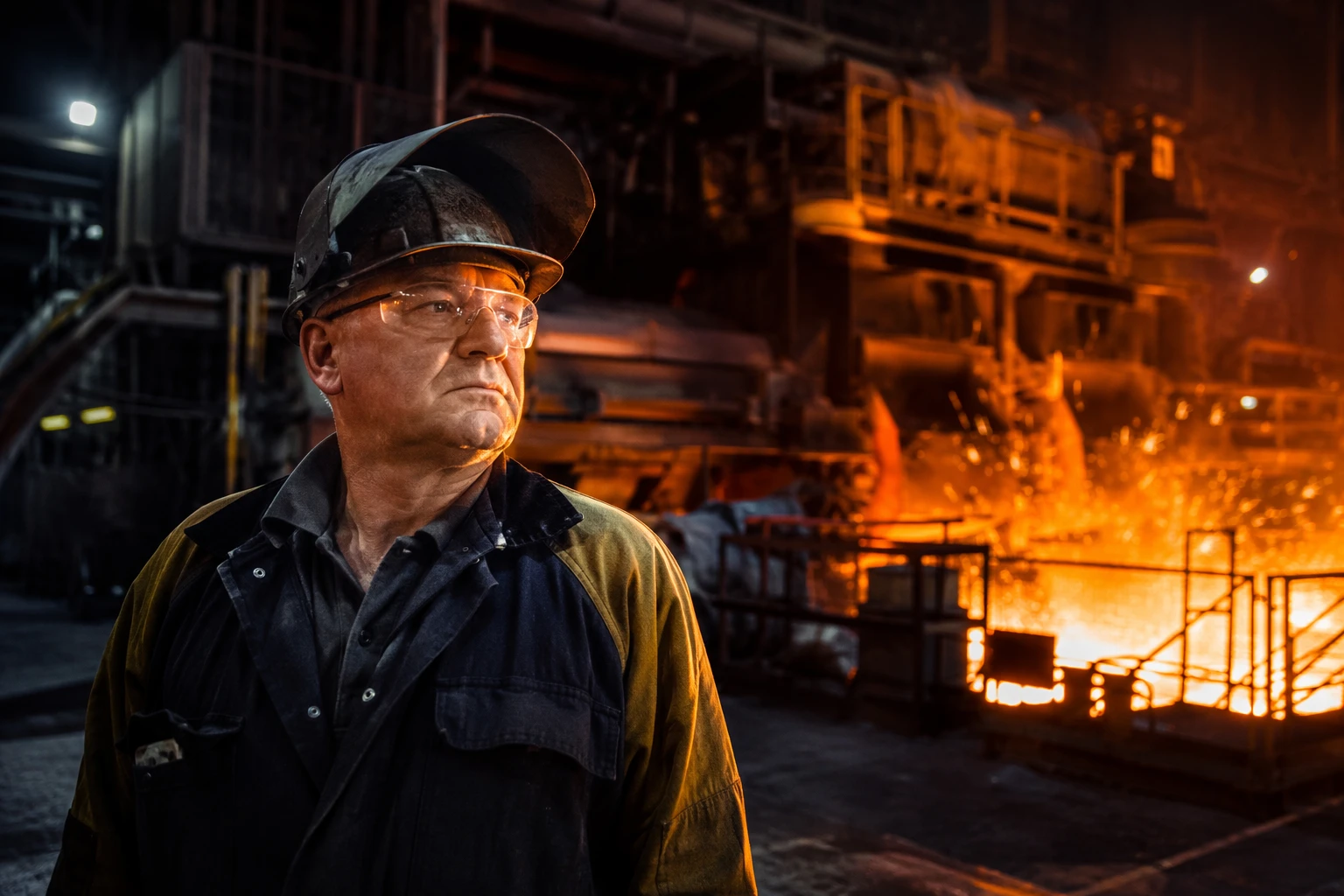
Steel ministers frame the decision as more than a rescue operation. The government says steel underpins construction, transport, energy infrastructure, defence and its Modern Industrial Strategy, and that keeping primary steelmaking at Scunthorpe is essential to preserving domestic capacity. The argument is straightforward: if Britain wants steel for airports, rail and housing, it needs a functioning mill still capable of making it at home.
A new leadership team has now been appointed to stabilise the business and map out what the government calls a commercially sustainable, low-carbon future. That is the central tension in the nationalisation: whether the state is preserving a strategically vital supply chain, or absorbing a business the market no longer supports. Similar questions have long surfaced in U.S. debates over domestic steel, subsidies and the public cost of keeping heavy manufacturing alive.
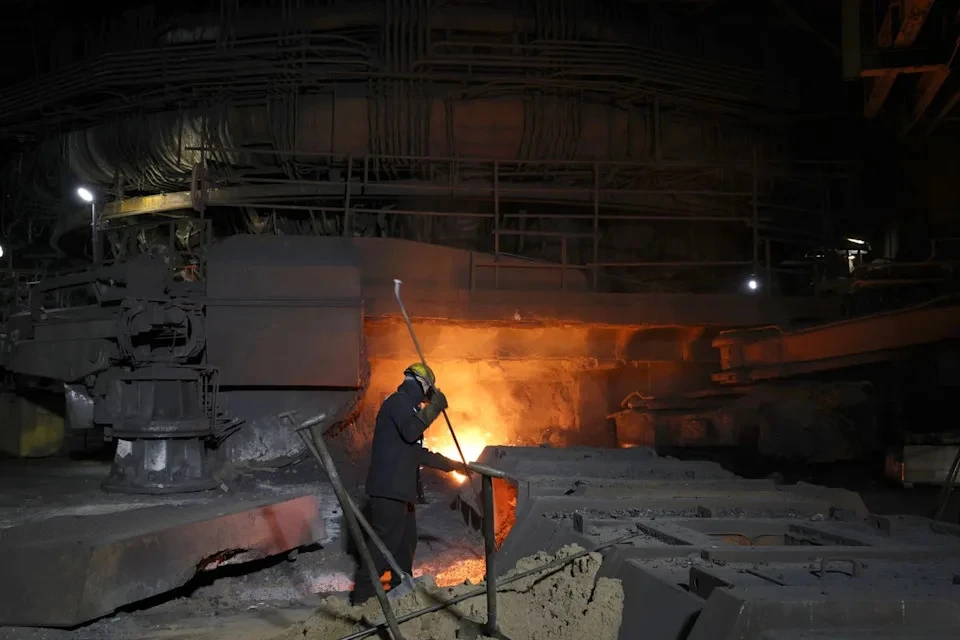
Local leaders in North Lincolnshire welcomed the intervention. North Lincolnshire Council said the decision should allow raw materials to be ordered so Scunthorpe’s blast furnaces can keep running, protecting thousands of jobs in the region and ensuring the UK continues to produce primary steel. The council had previously urged decisive action, including nationalisation if that was the best way to save steelmaking in Scunthorpe.
The financial backstop for the sector was already deepening before the takeover. On 17 June 2025, the transport secretary announced a five-year rail steel deal between Network Rail and British Steel worth £500 million, a contract the government said would secure thousands of manufacturing jobs in Scunthorpe. Together, the emergency legislation, the rail contract and the new public ownership mark a full-state bet that Britain can keep one of its last major steelmaking sites alive while recasting it for a lower-carbon era.
Sources
- [1]bbc.co.uk
- [2]gov.uk
- [3]northlincs.gov.uk