Health
UK obesity rates have tripled since 1993, study finds

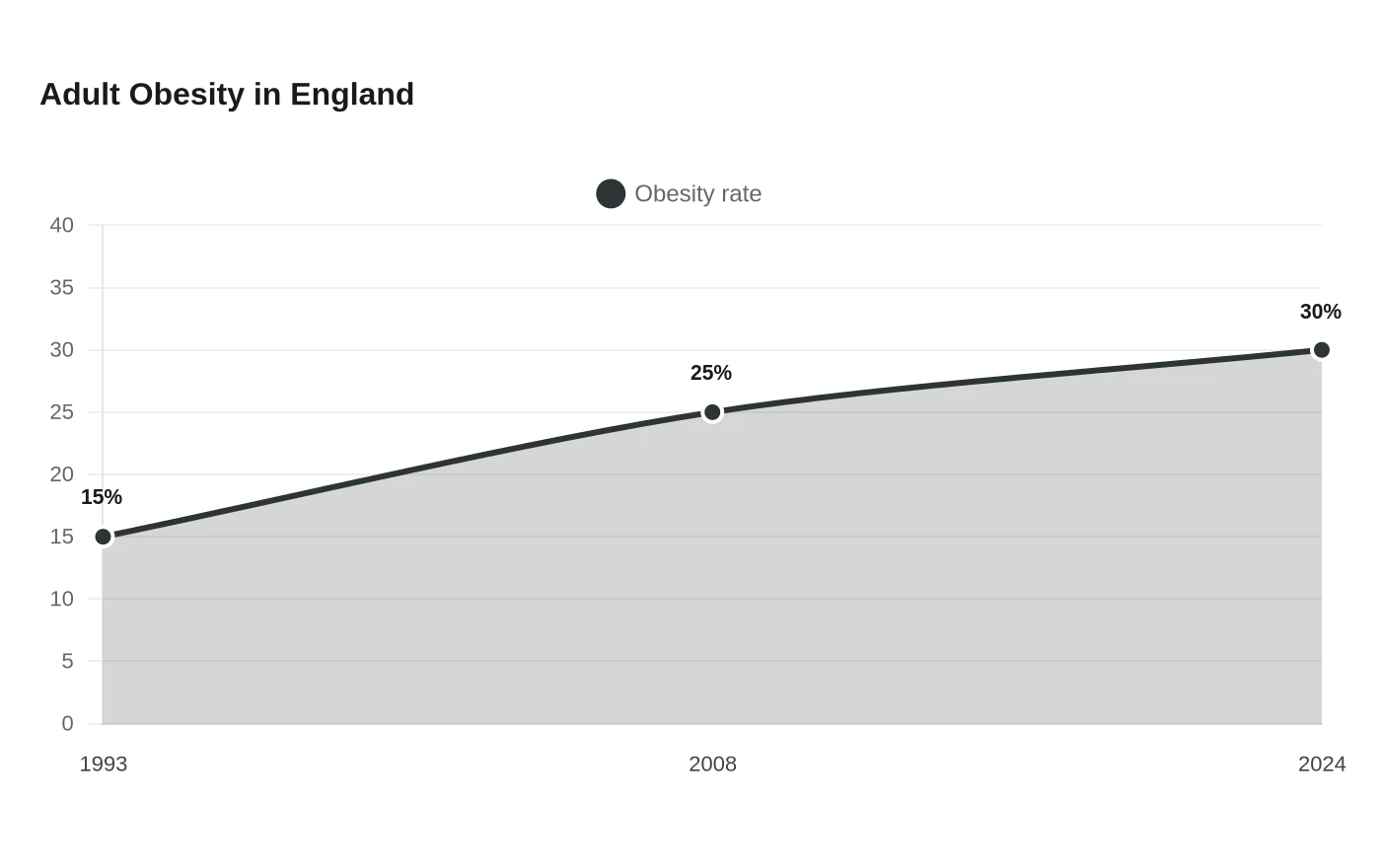
Adult obesity in England reached 30% by 2024, up from 15% in 1993, according to NHS Digital’s Health Survey for England data. The King’s Fund said that shift meant 7.2 million more adults were living with obesity than would have been the case if 1993 rates had stayed the same.
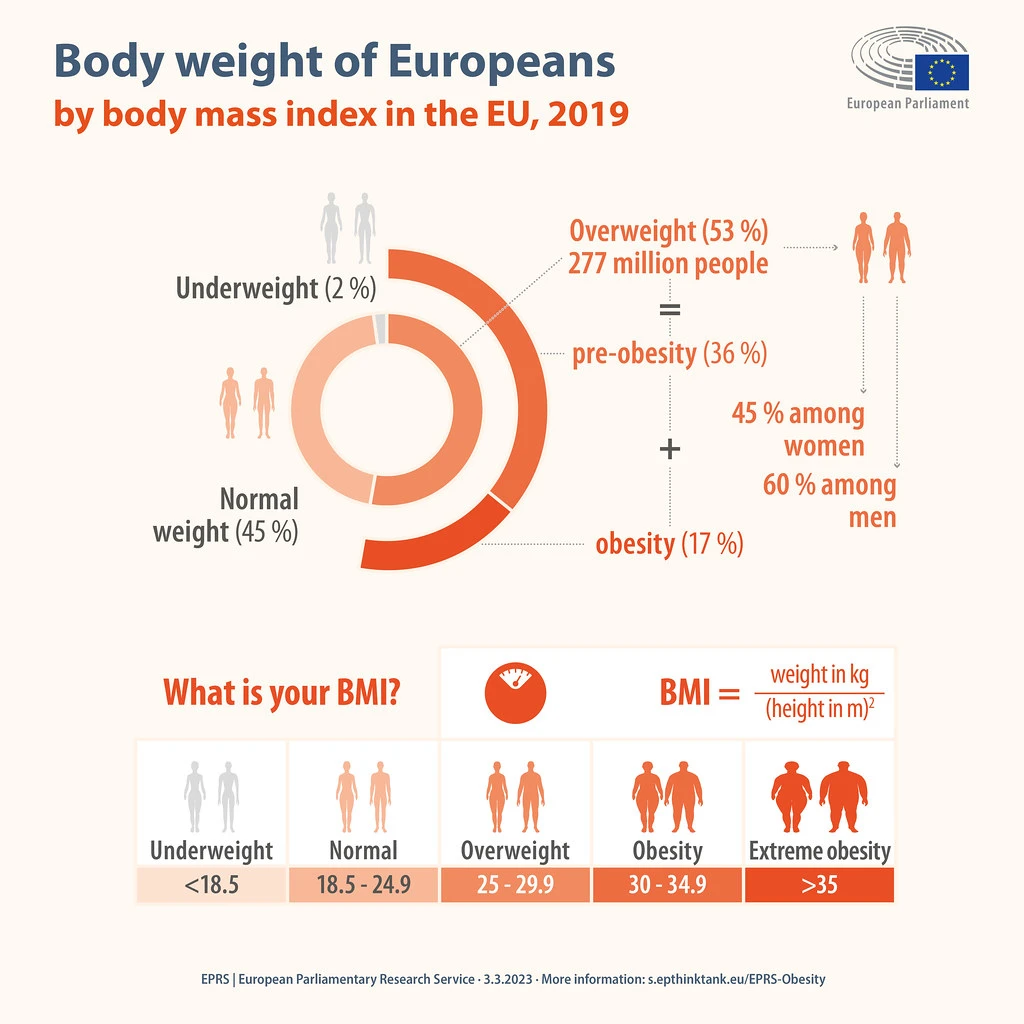
The latest NHS England figures show the problem extends well beyond obesity alone. In 2022/23, 29% of adults were living with obesity and 64% were either overweight or living with obesity. The House of Commons Library has put the combined burden into even starker relief, saying 30% of adults in England were obese and a further 36% were overweight.

The rise has been building for decades. A UK Health Security Agency blog post published in March 2021 said that in 1993, obesity prevalence among adults aged 16 to 64 in England stood at 13% for men and 16% for women. Earlier research published in the Journal of Epidemiology and Community Health found that obesity prevalence climbed significantly between 1993 and 2004, from 13.6% to 24.0% among men and from 16.9% to 24.4% among women. NHS Digital’s 2024 survey data showed the increase was fastest between 1993 and 2008, when adult obesity rose from 15% to 25%, before slowing to 30% by 2024.
NHS England has long described obesity as a major public health issue, not only in England but globally. It says obesity raises the risk of type 2 diabetes and cardiovascular disease, conditions that add pressure to diagnosis, treatment and long-term care across the health service.
The policy response has increasingly moved beyond individual advice and toward the conditions that shape weight at population level. NHS England points to weight-management services and the wider need to tackle the food environment and other obesogenic factors, a recognition that the burden now sits across communities, clinics and the NHS budget. As millions more adults live with excess weight, the cost is no longer confined to personal health. It is carried by the service that must manage the diabetes, heart disease and wider complications that follow.