World
UK Opposes Iran's Plan for Strait of Hormuz Tolls
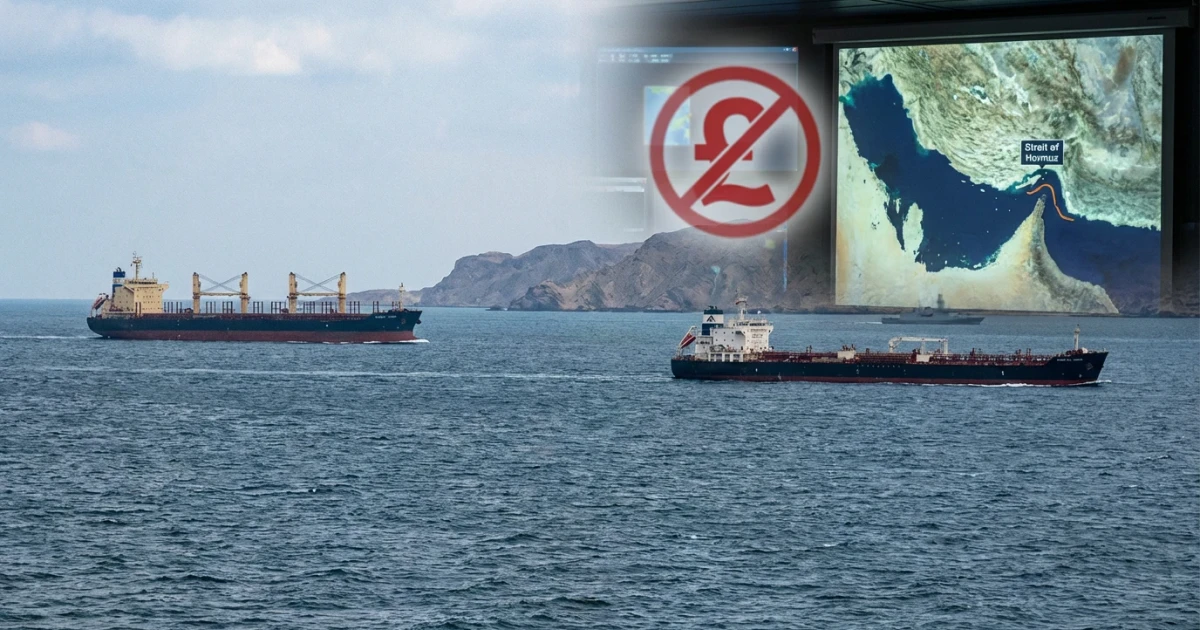
The United Kingdom has firmly rejected Iran's recent proposal to introduce tolls for ships transiting the Strait of Hormuz, highlighting concerns that such measures would violate international trade norms and disrupt vital energy and goods flows.
Iran's Toll Proposal Raises Global Concerns
On April 8, PBS reported that Iran announced plans to collect tolls from vessels passing through the Strait of Hormuz, a critical waterway for global oil and gas shipments. The Strait sees the passage of roughly one-fifth of the world's oil supply each year, making it a vital artery for international energy markets and commerce. Iran's move has been widely criticized as a breach of established maritime trade norms, with the potential to increase costs and uncertainty for shipping companies worldwide.
UK Calls for Toll-Free Passage
In response to Iran's announcement, Politico reported that the United Kingdom will call for the Strait of Hormuz to remain toll-free. UK officials emphasized that imposing tolls would undermine the principles of free navigation and open markets, which underpin the stability of global trade flows. Britain has also argued that Iran's toll plan could set a dangerous precedent for other international straits, potentially encouraging similar measures elsewhere.
- The UK is a major importer of oil and goods that transit through the Strait, making the waterway's openness a matter of national interest.
- According to the United Nations Security Council and the International Maritime Organization, international law protects freedom of navigation in key sea lanes like the Strait of Hormuz.
International Trade Norms and Legal Implications
As PBS highlighted, most global shipping lanes—including the Strait of Hormuz—are governed by long-standing international conventions that guarantee safe and unimpeded passage for commercial vessels. Iran's toll proposal is seen by many experts as a violation of these norms. Such a move could contravene the United Nations Convention on the Law of the Sea (UNCLOS) and other maritime security agreements, exposing Iran to potential diplomatic and economic pushback.
Wider Regional and Security Context
Politico also noted that the UK is urging for broader regional engagement to ensure maritime security. British officials stated that any ceasefire or security agreement involving Iran must also include Lebanon, given the interconnected nature of regional security threats. This reflects the UK's emphasis on multilateral solutions and the importance of involving all relevant stakeholders in efforts to safeguard maritime trade routes.
Potential Impact on Global Shipping and Energy Markets
- The Strait of Hormuz is a chokepoint for global energy shipments, with disruptions or added costs likely to ripple through oil and gas markets.
- Shipping companies and insurers have previously raised concerns about the security and cost implications of any new fees or restrictions in the area.
- UK officials have reiterated their commitment to working with international partners to maintain the free flow of commerce and uphold maritime law in the region.
Looking Ahead
The UK’s rejection of Iran’s toll proposal signals strong opposition from major maritime powers to any unilateral measures affecting vital shipping lanes. With Iran’s plan facing international criticism, the focus now shifts to diplomatic efforts to ensure the Strait of Hormuz remains open and accessible to global trade. The evolving situation will be closely watched by governments, energy markets, and the shipping industry as they assess the potential for further disruptions or negotiations in the region.