Politics
UK plans more safe routes as small boat crossings rise again

The House of Commons Library said 39,000 people arrived by small boat in the year ending March 2026, about 90% of everyone detected entering the UK without authorisation. That comes as Keir Starmer’s government is pushing a two-track response, tighter enforcement at the border and more safe routes into the country, with a new three-year UK funding cycle worth £662 million agreed with France in April 2026.
The crossings have moved in waves. They peaked in 2022, when 46,000 people arrived by this unauthorised route, fell in 2023, and have risen again since. The latest Commons Library briefing said around 75% of small-boat arrivals in the year ending March 2026 were adult men, about 12% were adult women, and the rest were children. Almost all people who arrive by small boat go on to claim asylum, which means the route feeds directly into the UK asylum system rather than sitting outside it.
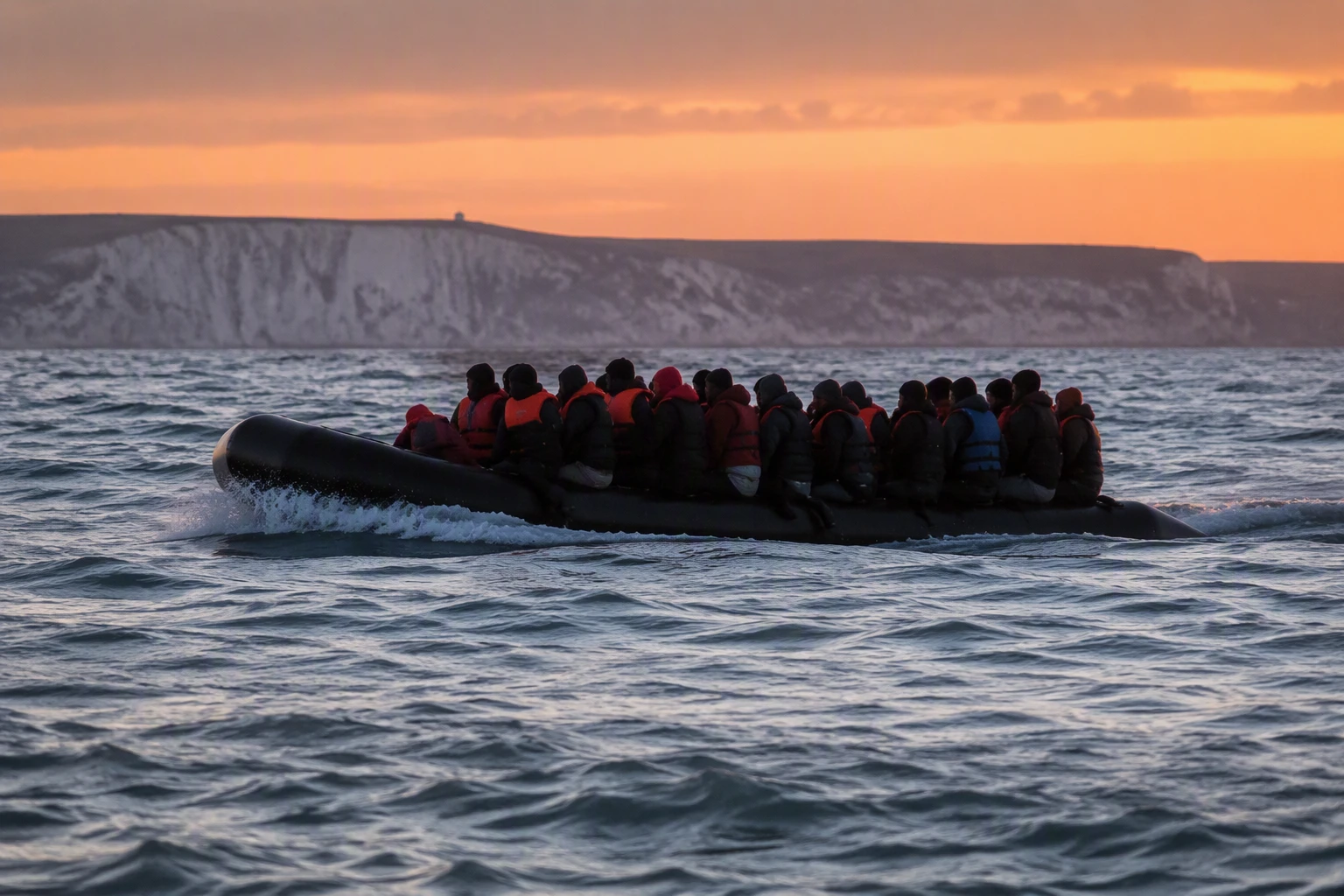
That is where the policy tradeoff becomes sharper. Home Office statistics track how many small-boat arrivals claim asylum and how many are referred to the National Referral Mechanism, the process used to identify potential trafficking and modern slavery victims. The numbers point to a system under pressure at both the border and the first stages of protection claims, with arrivals concentrated in the English Channel and processing demands landing quickly on the asylum system.

On the other side of the ledger, the Commons Library said around 50,000 people were granted permission to come to the UK through a safe and legal route in 2025, 23% fewer than in 2024. The library defines those humanitarian routes as authorised immigration arrangements for people coming to the UK for humanitarian reasons. That fall matters because ministers are trying to show that enforcement and legal access can move together, not just one or the other.

The UK and France have a long record of working together on immigration controls at their shared borders, formalised through agreements including the Sangatte Protocol in 1991 and later arrangements. Policy groups have argued that the next step could be broader still: Migration Policy Institute Europe has called for a UK-EU deal that would pair increased returns with humanitarian routes from Europe, while British Future argued in September 2025 for bringing control and compassion back to the asylum system. For now, the test is operational, not rhetorical: fewer crossings, more lawful routes, and evidence that the balance is changing rather than just the language.