Politics
UK plans social media ban for under-16s, tightens child safety online
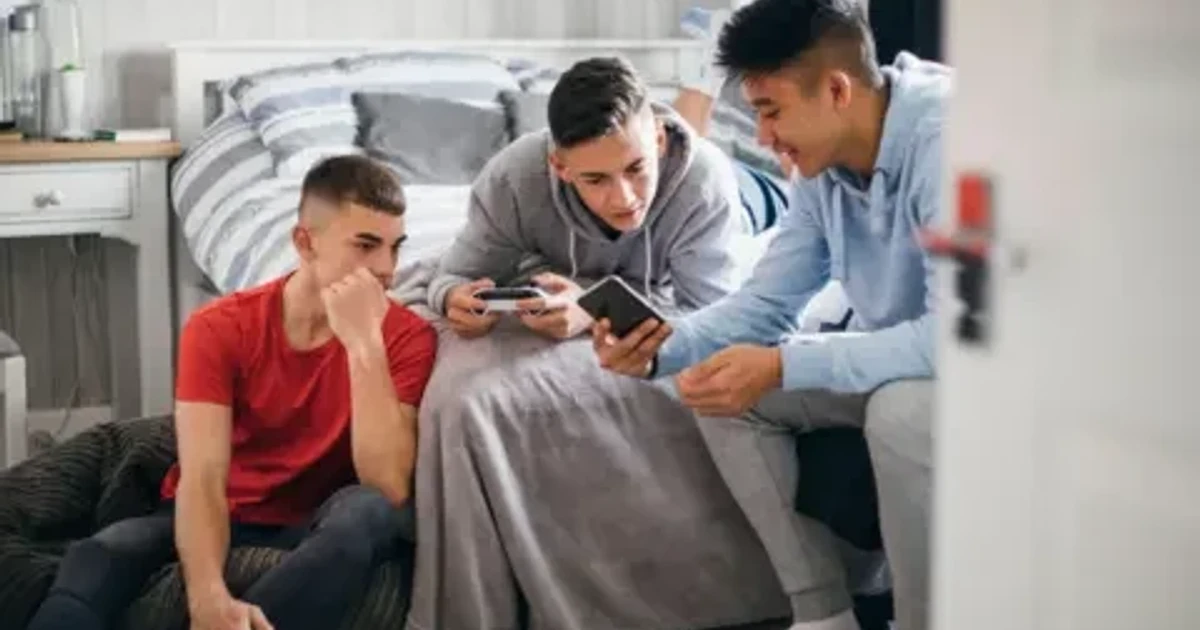
The UK government has moved to ban social media for under-16s, while also tightening rules on harmful features elsewhere online for under-18s, including livestreaming and contact from strangers. The plan, announced on 15 June 2026, turns child safety into a direct test of enforcement: platforms will have to show they can keep younger users out, not just promise better moderation.
The new restrictions build on the Online Safety Act 2023, which already gives providers duties to reduce the risks of illegal content and protect children. Ofcom said it had already forced some of the strongest online-safety changes in the world, and in April 2025 it finalised more than 40 child-safety measures, including safer social feeds and strong age checks. It also said age checks for pornography and harmful content began coming into force in July 2025, giving regulators a template for how tightly Britain may now try to police access.

That is where the practical question starts. A ban on accounts for under-16s sounds decisive, but it depends on how platforms verify age, what data children and parents must surrender to prove eligibility, and how firms respond when users simply move elsewhere. Australia’s age restrictions, which took effect on 10 December 2025, offer the clearest precedent. Under those rules, age-restricted platforms must take reasonable steps to stop Australians under 16 from creating or keeping an account, but officials have said implementation will vary by platform and the policy has already triggered legal and political challenges.
The UK debate is splitting along the same fault line. NSPCC chief executive Chris Sherwood said in February 2026 that government should stand up to big tech and that a ban could be better than the status quo. The charity later warned that a blanket ban could punish teenagers for platform failures and that social media can still be a lifeline for some young people. Amnesty International UK said on 15 June 2026 that the policy was the “right diagnosis, wrong prescription”, arguing that it treats children as the problem rather than the business models that profit from harm.

Privacy campaigners are pressing the same point from another angle. Open Rights Group has warned that blanket age bans would require widespread age verification, with risks for privacy, data protection and free expression. Children’s Commissioner Rachel de Souza has said the risks online are evolving faster than legislation can keep pace. That leaves ministers making a familiar promise in a new form: tougher rules may reduce exposure to harm, but the real battle will be over whether the state can enforce them without building a broader system of identity checks that many families may not want.
Sources
- [1]bbc.com
- [2]gov.uk
- [3]ofcom.org.uk
- [4]esafety.gov.au
- [5]nspcc.org.uk
- [6]amnesty.org.uk
- [7]openrightsgroup.org
- [8]childrenscommissioner.gov.uk
- [9]abc.net.au