World
UK plans social media ban for under-16s, wider child safety rules

Britain has moved to draw a bright line around under-16s on social media, but the real test is enforcement. Ministers said the first regulations could take effect in spring 2027, yet the scope remains unsettled: messaging apps such as WhatsApp and Signal appear likely to be left out, while YouTube and Roblox sit in a grey area that will depend on how regulators define services built around social interaction and user-generated content.
The government said the plan reflects clear public demand. In its consultation on child online safety, which ran from 2 March 2026 to 26 May 2026, it said 9 in 10 parents backed a ban on social media use for under-16s and two-thirds of young people agreed that under-16s should not be allowed to use at least some social media platforms. The package goes further than the existing framework under the Online Safety Act 2023, which already places duties on social media companies and search services to protect users from illegal content and content harmful to children.
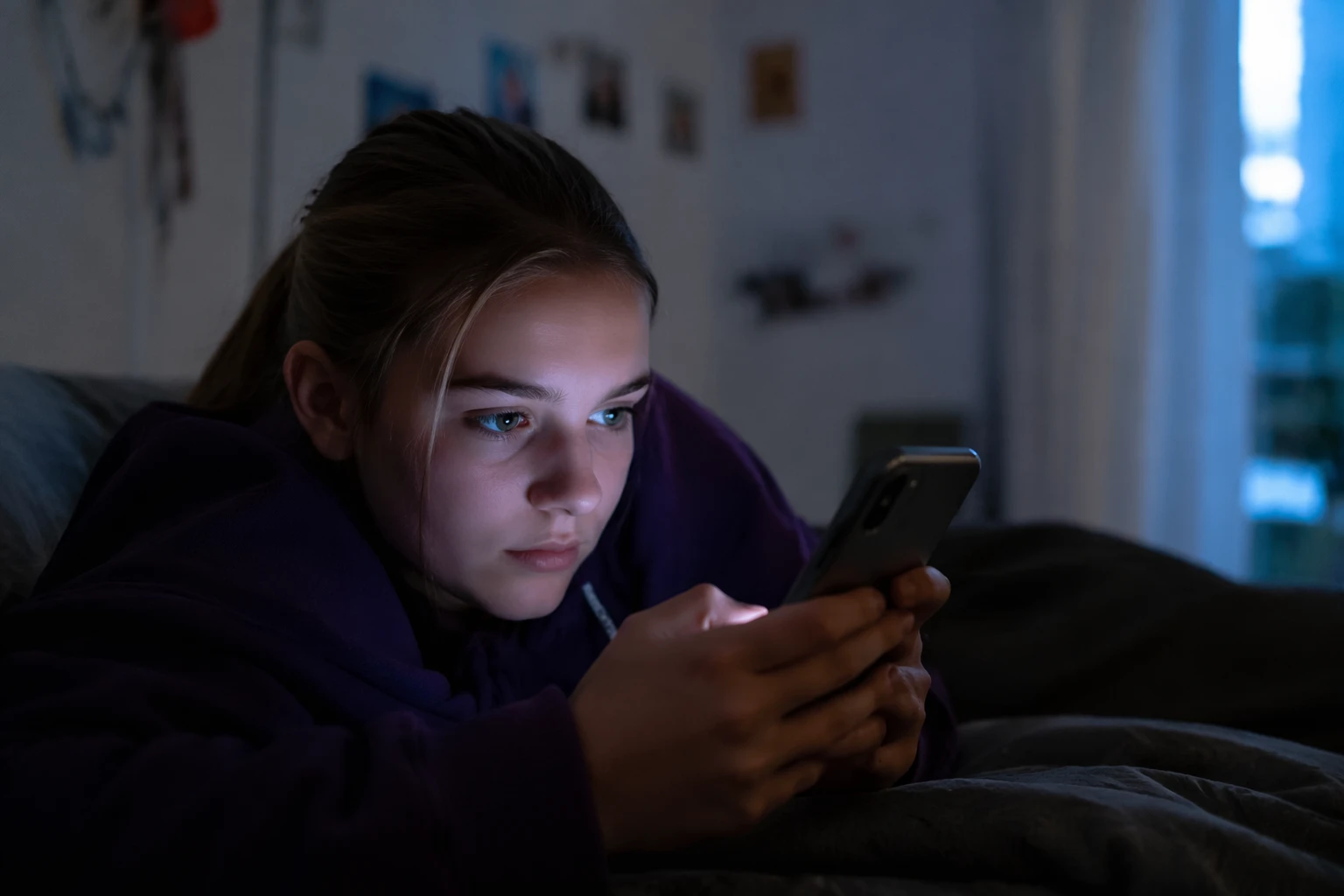
Ofcom has already pushed the biggest services used by children, naming Facebook, Instagram, Roblox, Snapchat, TikTok and YouTube as priorities. The regulator said it was investigating nearly a hundred services since the UK’s online safety laws came into force, and it has warned tech firms that minimum age rules must be enforced with highly effective age assurance. The government says the new rules will require rigorous age checks, a point that exposes the central problem: if children are to be blocked, platforms will need to know who they are.
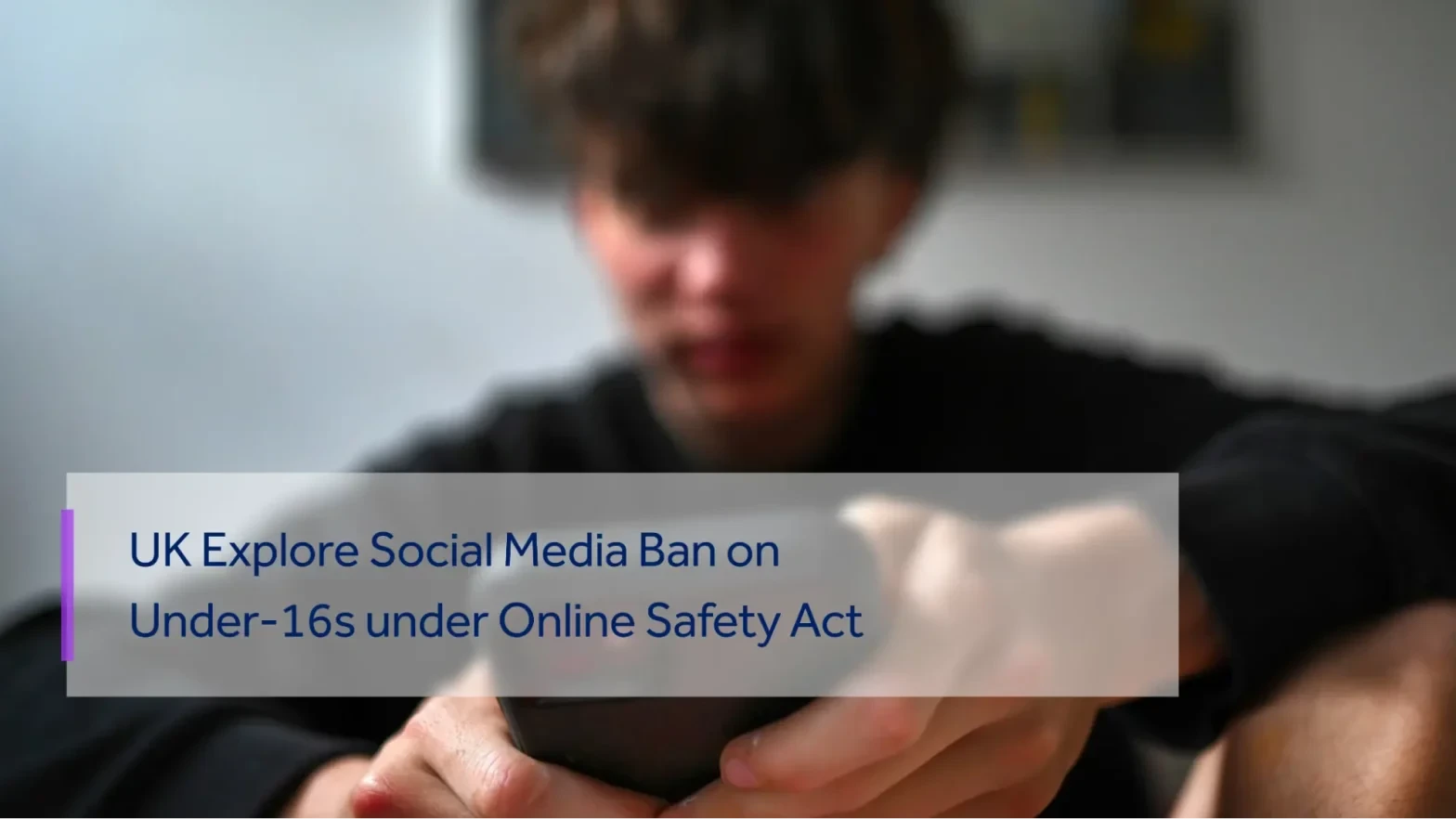
The wider package is not limited to a simple age cutoff. Ministers said they will restrict harmful features on other online services, including gaming services, for under-18s, and apply default protections to 16- and 17-year-olds. They also want to curb features such as livestreaming and contact from strangers, while keeping pressure on companies to improve grooming protections, safer feeds and product testing. The government is also considering a minimum age for some AI chatbot services that primarily offer sexualised content.
The policy also lands after a series of earlier child-safety changes. As of 25 July 2025, new rules already required age checks to stop children accessing porn, self-harm, suicide and eating-disorder content. Britain now says it will go further than Australia, whose under-16 social media regime relies on a reasonable steps standard, by demanding highly effective age assurance. That leaves the most difficult questions still unanswered: which services count as social media, how tightly gaming and video-sharing apps are drawn in, and who bears the burden when children are locked out or slip through.
Sources
- [1]bbc.com
- [2]gov.uk
- [3]ofcom.org.uk
- [4]commonslibrary.parliament.uk