Politics
UK plans social media ban for under-16s, with extra safety blocks
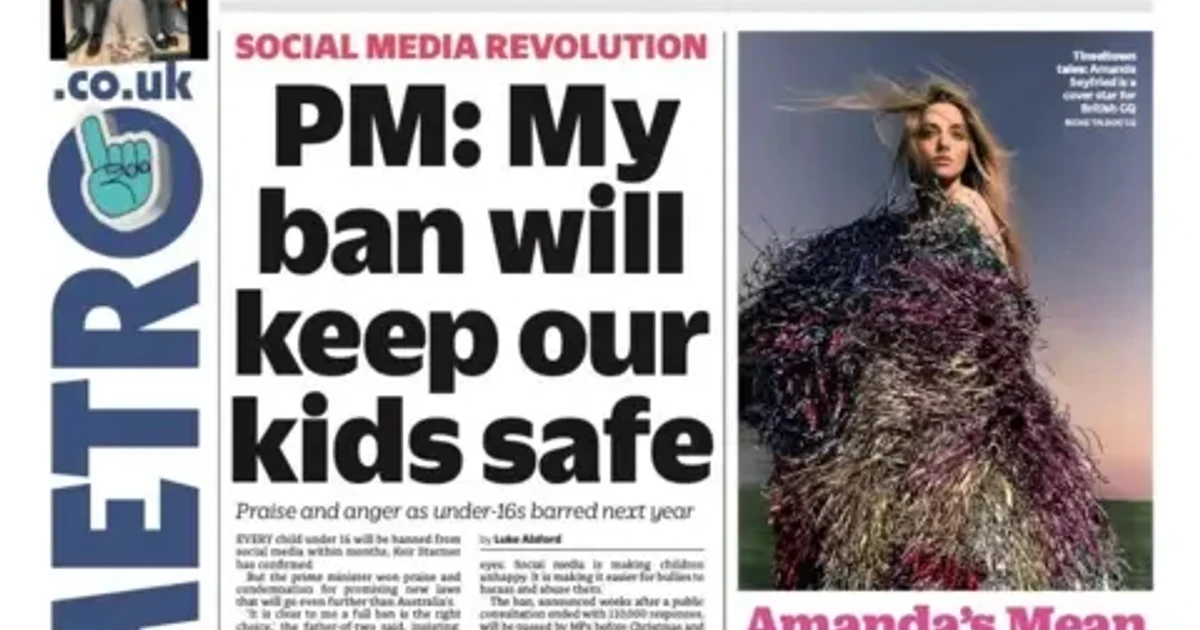
The hardest part of banning social media for under-16s is not writing the rule. It is proving a child is under 16, forcing platforms to police it and deciding which services count. The government announced plans on 15 June 2026 to stop platforms such as Snapchat, TikTok, YouTube, Instagram, Facebook and X from offering services to under-16s, while adding tighter blocks on livestreaming and stranger communication, including on gaming sites.
Messaging apps such as WhatsApp and Signal are not intended to be included, but the scope still reaches the services most teenagers use to watch, post and message. Ministers say they want to set a new normal, and the package is expected to go before Parliament before Christmas and take effect in spring 2027. The government says the proposal is modelled on Australia’s minimum-age law and is backed by 9 in 10 parents.
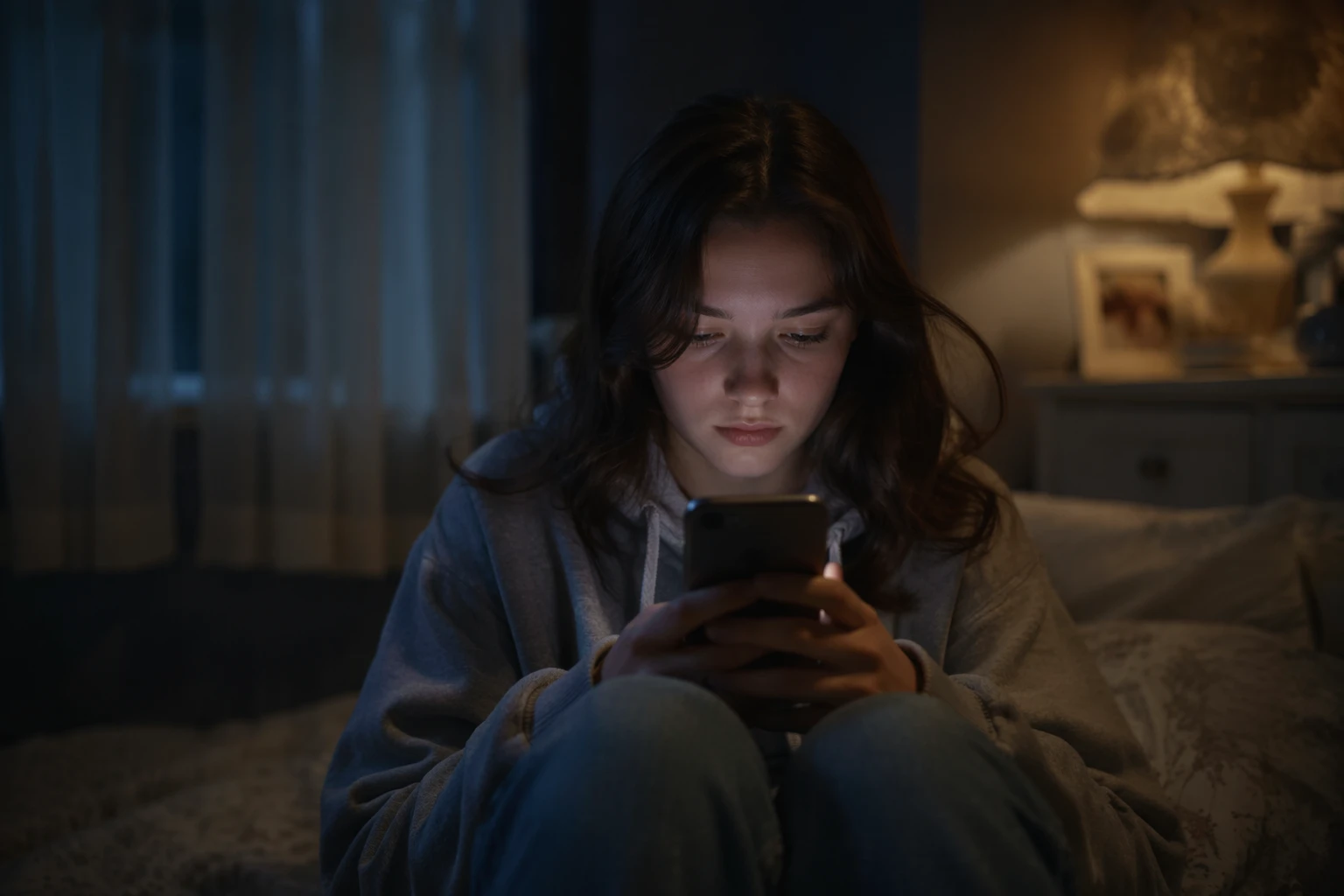
The practical objection from tech firms is simple: blanket age bans are easy to announce and hard to enforce. Social media companies warn that if teenagers are pushed off mainstream platforms, many will drift to less regulated or riskier online spaces instead. YouTube says it has spent more than a decade building age-appropriate experiences and default teen protections, while Snapchat argues an outright ban would cut teenagers off from private messaging with friends and family.
The argument lands in a regulatory landscape that is already tightening. Ofcom said on 15 June 2026 that major sites and apps including Facebook, Instagram, Roblox, Snapchat, TikTok and YouTube had until the end of next month to explain what they are doing to keep children safe, with a further report due in May. The regulator said it has already been investigating nearly 100 services since the UK’s online safety laws came into force last year.
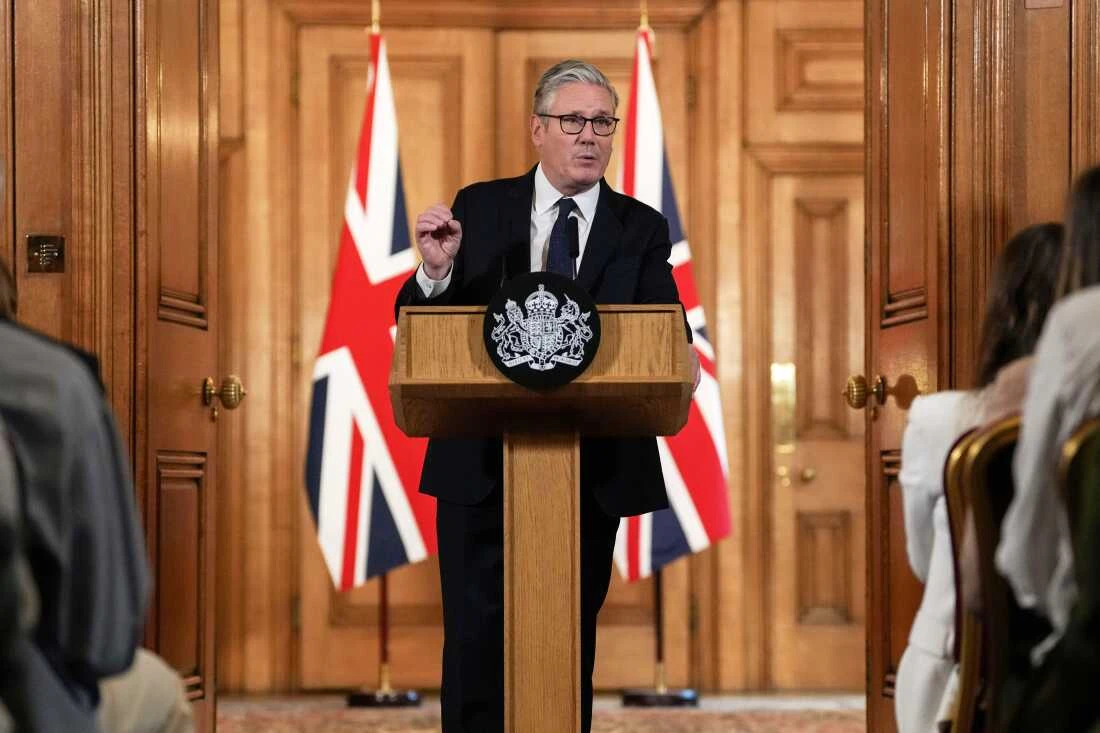
Ofcom’s child-safety codes, finalised on 24 April 2025, set out more than 40 practical measures for services used by children. They include stronger age checks, safer feeds and steps to reduce exposure to harmful material such as self-harm, eating disorders and pornography. The new ban would go further, but it also raises the same question that has dogged every online safety crackdown: whether the state can make age assurance precise enough to matter.

Australia has already taken the leap. Its social media minimum-age law passed on 29 November 2024 and came into force on 10 December 2025, requiring platforms to take reasonable steps to prevent under-16s from holding accounts. Britain is now following that path, but the real test will be whether the policy changes children’s online lives or simply redraws the boundary between what is illegal, what is blocked and what is still easy to evade.
Sources
- [1]bbc.com
- [2]gov.uk
- [3]ofcom.org.uk
- [4]usnews.com
- [5]standard.co.uk
- [6]telegraph.co.uk
- [7]infrastructure.gov.au
- [8]esafety.gov.au