World
UK romance and investment fraud hits record losses, warns police

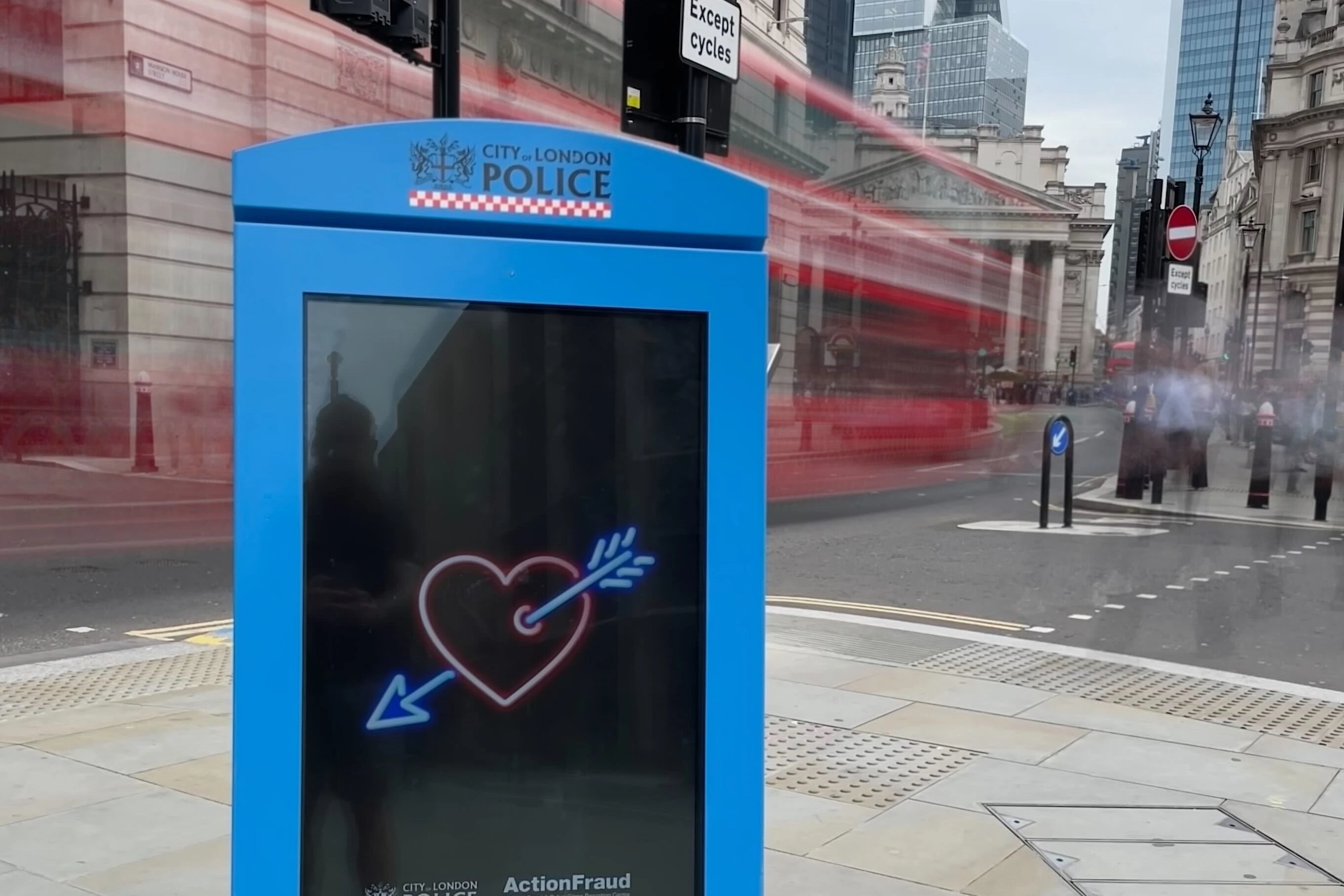
UK victims lost more than £106 million to romance fraud in the 2024/25 financial year, with reports rising 9% to 9,449 and the average loss reaching £11,222. City of London Police and the Financial Conduct Authority said the true scale is likely much higher because shame and stigma keep many people silent.
Romance scams usually begin with steady, flattering contact online, then shift into pressure. The fraudster builds trust, mirrors interests and emotions, and waits until the victim feels invested enough to send money, share personal details or move into a supposed investment opportunity. The warning signs are familiar, but easy to overlook when someone is being told exactly what they want to hear: the relationship moves fast, excuses appear for why a call or video chat cannot happen, and money becomes part of the story before a real-world relationship exists.

Investment fraud works on the same hope, but with a different hook. A convincing pitch promises quick or exclusive returns, then pushes the target to move faster and put in more money. The National Assessment Centre’s 2025 fraud assessment says courier fraud, investment fraud, payment diversion fraud and romance fraud remain among the fraud types causing the highest harm in the UK. Once someone sends the first payment, the scam often escalates with claims that fees, taxes or one more deposit are needed before the money can be withdrawn.
Courier-style scams exploit impatience and routine. Royal Mail says scammers impersonate its emails, texts and phone calls, including fake unpaid-fee and missed-delivery messages such as “something for you” alerts. The National Cyber Security Centre says phishing attempts can come through emails, texts, phone calls, social media messages and QR codes, and the giveaway is the same each time: an unexpected message, a demand to act quickly, and pressure to click a link or scan a code before thinking twice.
Ofcom says scam calls and messages are widespread across the UK and cause serious financial and emotional harm, which helps explain why the same tricks keep working. Anyone who thinks they have been scammed should act straight away, report the scam and call Citizens Advice on 0808 223 1133 for consumer advice. Report Fraud can provide a crime reference number that may help when contacting a bank, while police and regulators continue to warn that silence gives these scams room to spread.
Sources
- [1]bbc.com
- [2]fca.org.uk
- [3]cityoflondon.police.uk
- [4]gov.uk
- [5]help.royalmail.com
- [6]royalmail.com
- [7]ncsc.gov.uk
- [8]citizensadvice.org.uk
- [9]ofcom.org.uk