Sports
UK ruling reshapes transgender access to women’s sport and single-sex spaces
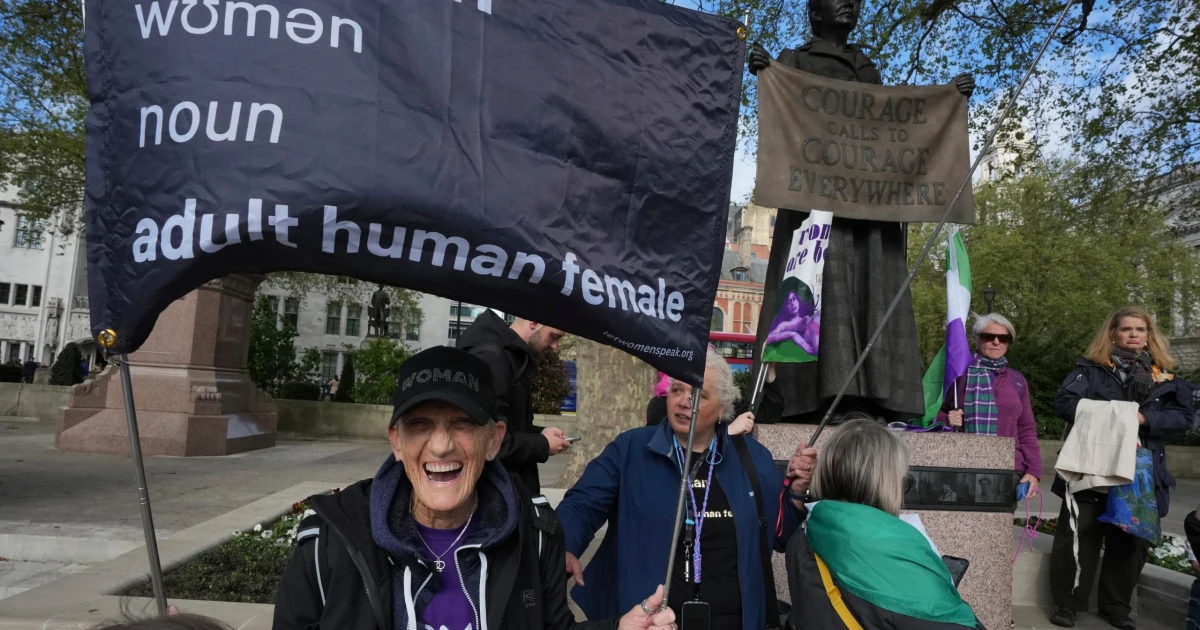
The UK Supreme Court has redrawn the legal meaning of sex under the Equality Act 2010, ruling on 16 April 2025 that “sex,” “man” and “woman” refer to biological sex. The court also said a Gender Recognition Certificate does not change a person’s legal sex for the purposes of that Act, a decision that now shapes access to women’s sport and other single-sex spaces.
The Football Association moved quickly after the judgment. On 1 May 2025, it announced that transgender women would no longer be able to play in women’s football in England, and the new policy took effect on 1 June 2025. The FA said it would contact registered transgender women players to explain the change and how they could remain involved in the game. The policy applies across all levels of women’s football in England, not just the elite game.
Other British sports bodies had already been shifting their systems before the court ruling. British Triathlon said competitive events from 1 January 2023 would be split into two categories, Female and Open, with the Open category available to male, transgender and some non-binary athletes. The England and Wales Cricket Board later updated its transgender participation policy after an extensive consultation, saying it weighed fairness, safety and inclusion in making the change.

The legal fight has moved far beyond football. The House of Commons Library said the Supreme Court’s ruling means references to “sex,” “man” and “woman” in the Equality Act now point to biological sex, a definition that could influence schools, changing rooms, prisons and other settings where the law separates people by sex. Supporters of tighter rules say those protections are necessary to preserve women’s sex-based rights; opponents say the changes narrow inclusion and create new barriers for transgender people.
The issue is also being tested in the United States. On 30 June 2026, the U.S. Supreme Court upheld state laws banning transgender athletes from girls’ and women’s sports, a ruling that affects 25 other states with similar restrictions. Idaho passed the first such law in the country, and two dozen other states later adopted comparable bans. In both countries, sports governing bodies have responded to court rulings and political pressure by moving toward open divisions, category changes or outright exclusions, turning athletic eligibility into a wider test of how law defines sex.
Sources
- [1]nytimes.com
- [2]commonslibrary.parliament.uk
- [3]thefa.com
- [4]britishtriathlon.org
- [5]ecb.co.uk
- [6]scotusblog.com