World
UK science funding cuts could cripple Jodrell Bank and future astronomers
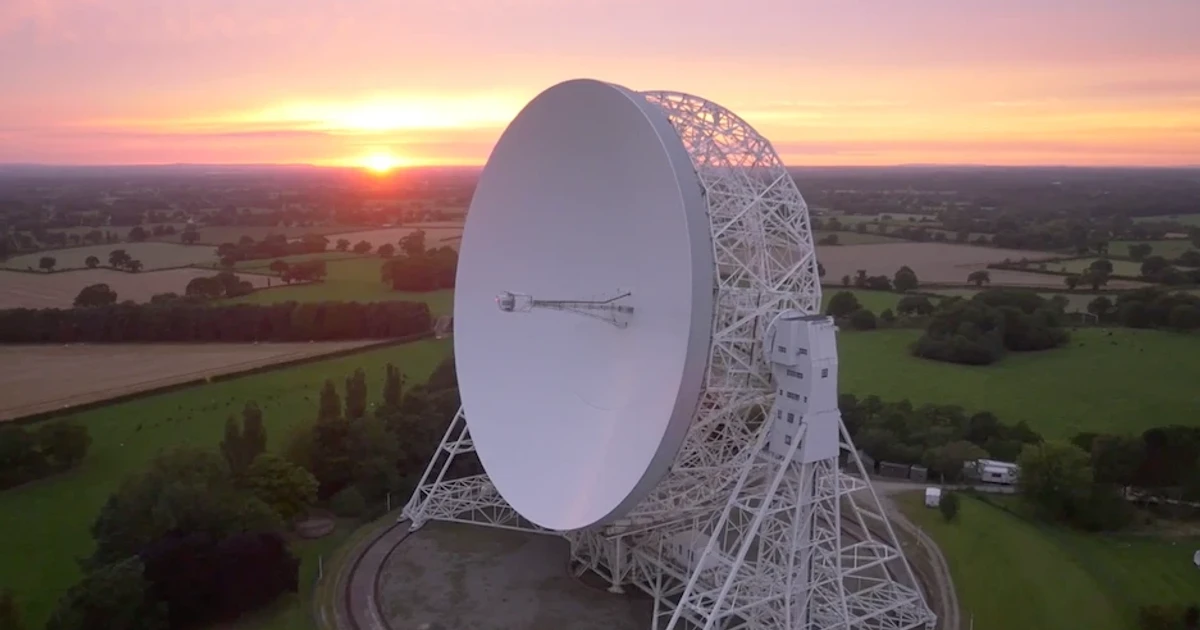
Science funding cuts are raising alarms at Jodrell Bank, where astronomers fear the loss would reach far beyond a single telescope and into the training of future researchers. The Royal Astronomical Society has warned that proposed reductions could threaten a generation of scientists, and urged Sir Patrick Vallance to help reverse the cuts before they trigger a broader scientific crisis.
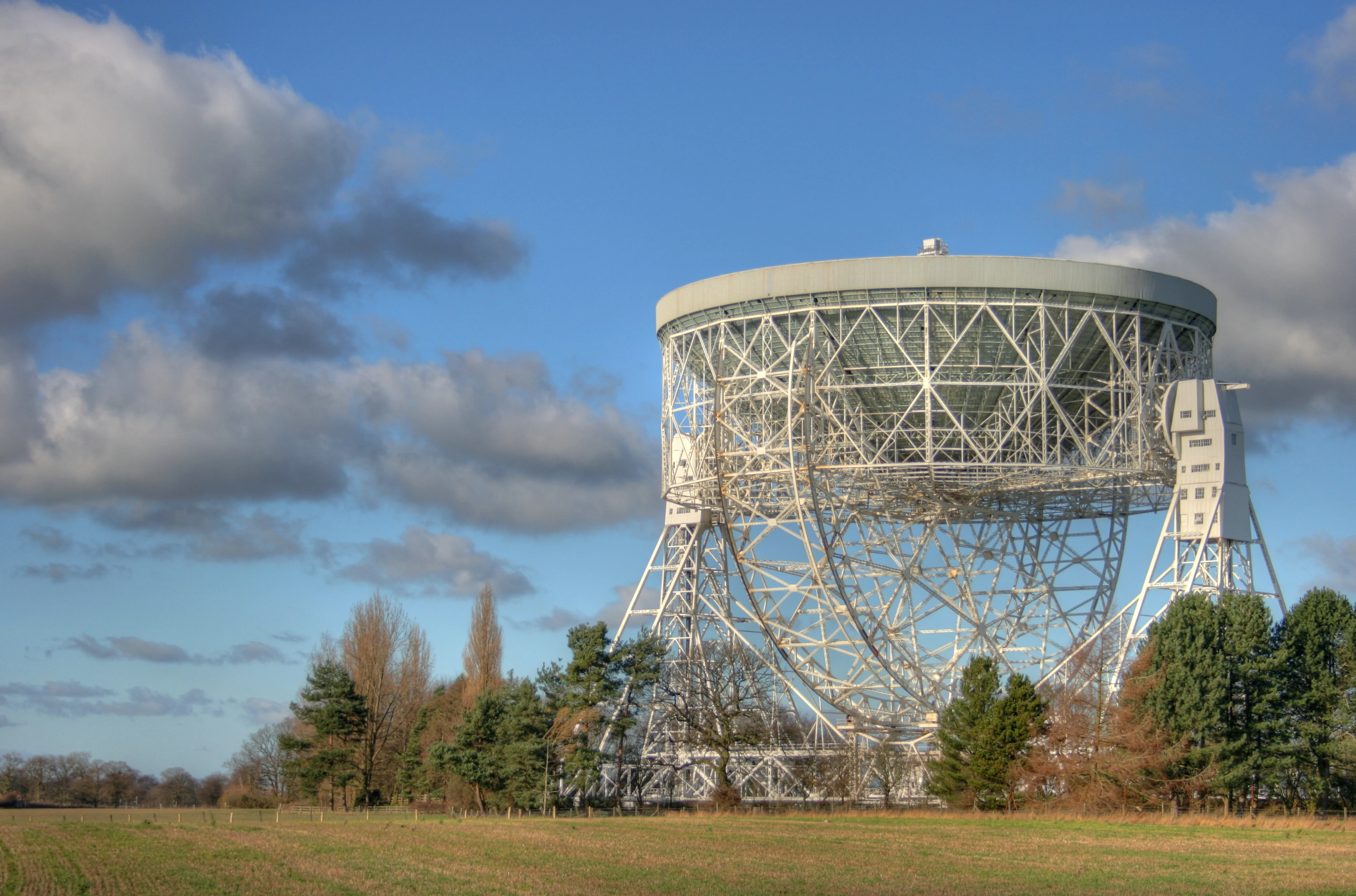
Jodrell Bank Observatory in Cheshire is not just a landmark in British science. The site says its story began with an accidental discovery in December 1945, and the Lovell Telescope was completed in 1957, when outside reference sources described it as the largest steerable radio telescope in the world. The observatory was added to the UNESCO World Heritage List in July 2019, and the University of Manchester says it has inspired millions while serving research, education and public engagement.
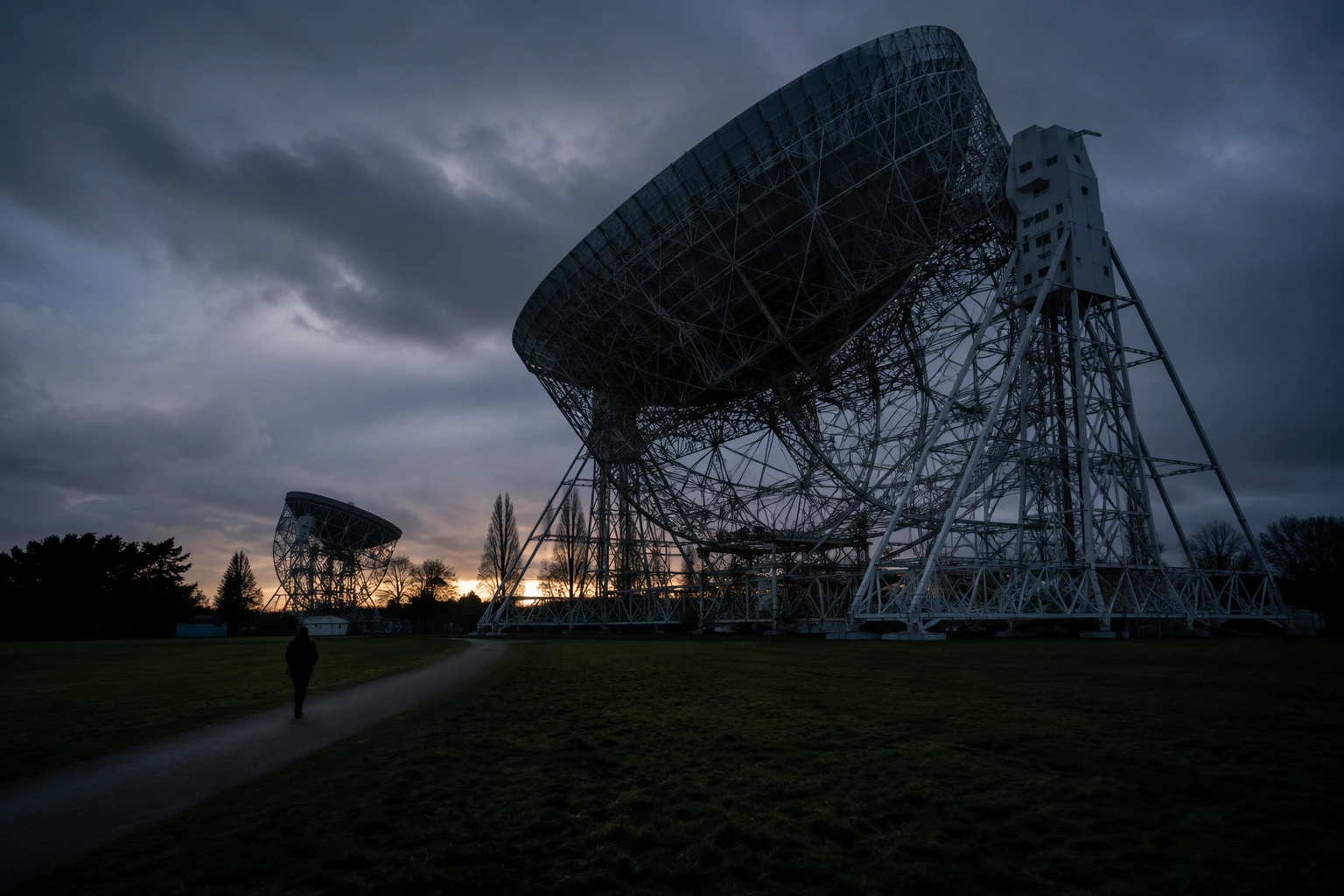
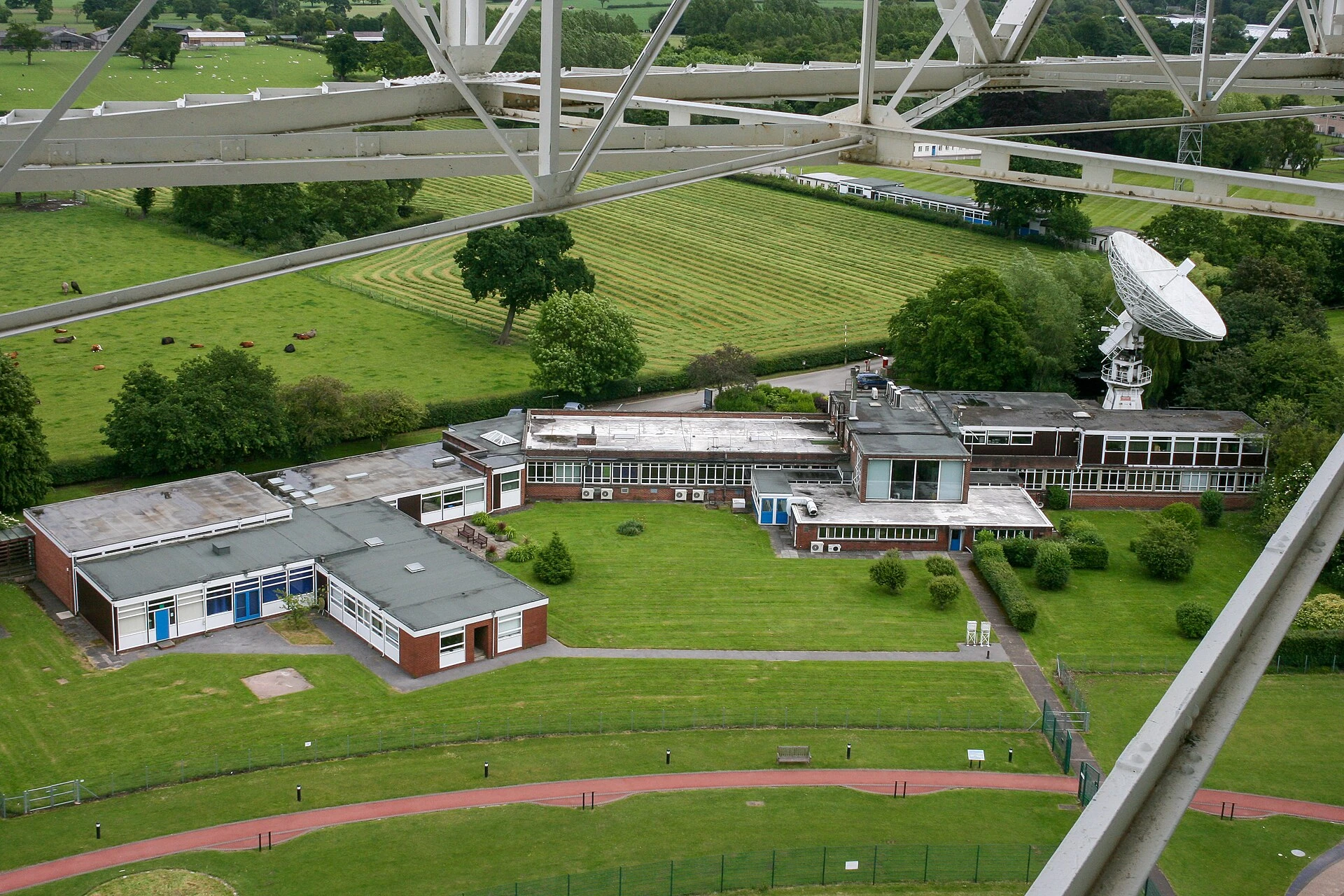
The pressure now centres on the Science and Technology Facilities Council and wider UK Research and Innovation budgets, with spending decisions shaped by the 2025 Spending Review. Jodrell Bank itself says it has been at the forefront of astronomy for 80 years and operates four radio telescopes: the Lovell, Mark II, 42ft and 7m instruments. Losing funding would not simply reduce maintenance on a famous structure in Cheshire; it would hit a working research centre that supports radio astronomy, student training and public science outreach.
That wider pipeline is already under strain. The Royal Astronomical Society’s president, Professor Mike Lockwood, and president-elect Professor Jim Wild have both been identified in the society’s response to the cuts, which argues that research budgets are shaping the future of the field, not just current projects. A separate open letter on proposed STFC funding changes has passed 1,000 signatories, showing how deeply the issue has cut through the astronomy community.
The fallout would also extend to Britain’s credibility in big science. Parliamentary reporting has already shown that many scientists contacted the Science, Innovation and Technology Committee about UKRI cuts, especially to large physics projects. For Jodrell Bank, the risk is a double blow: damage to a UNESCO-listed national icon and a weakening of the research base that keeps Britain in the game on the next generation of astronomical discovery.
Sources
- [1]bbc.co.uk
- [2]jodrellbank.net
- [3]unesco.org.uk
- [4]manchester.ac.uk
- [5]ras.ac.uk
- [6]researchprofessionalnews.com
- [7]sciencecampaign.org.uk
- [8]bbc.com