World
UK sea heatwave threatens marine life as waters reach record highs
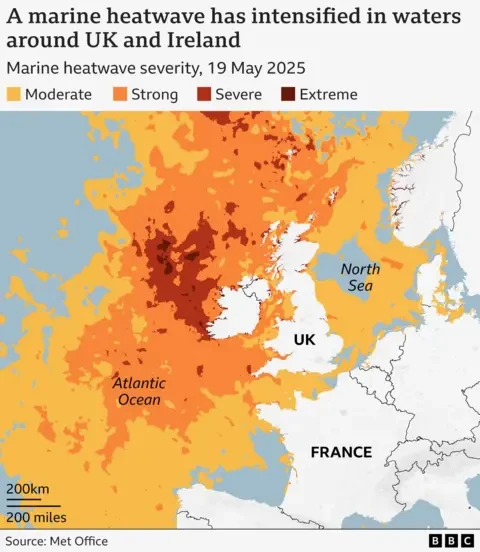
On Friday, surface waters in Northwest European seas were already in moderate to severe marine heatwave conditions, with some areas reaching severe levels. Met Office data showed waters off England and Wales, the English Channel and the central and southern North Sea were running about 1.5C to 4C above normal, with local offshore anomalies of around 4C to 5C.
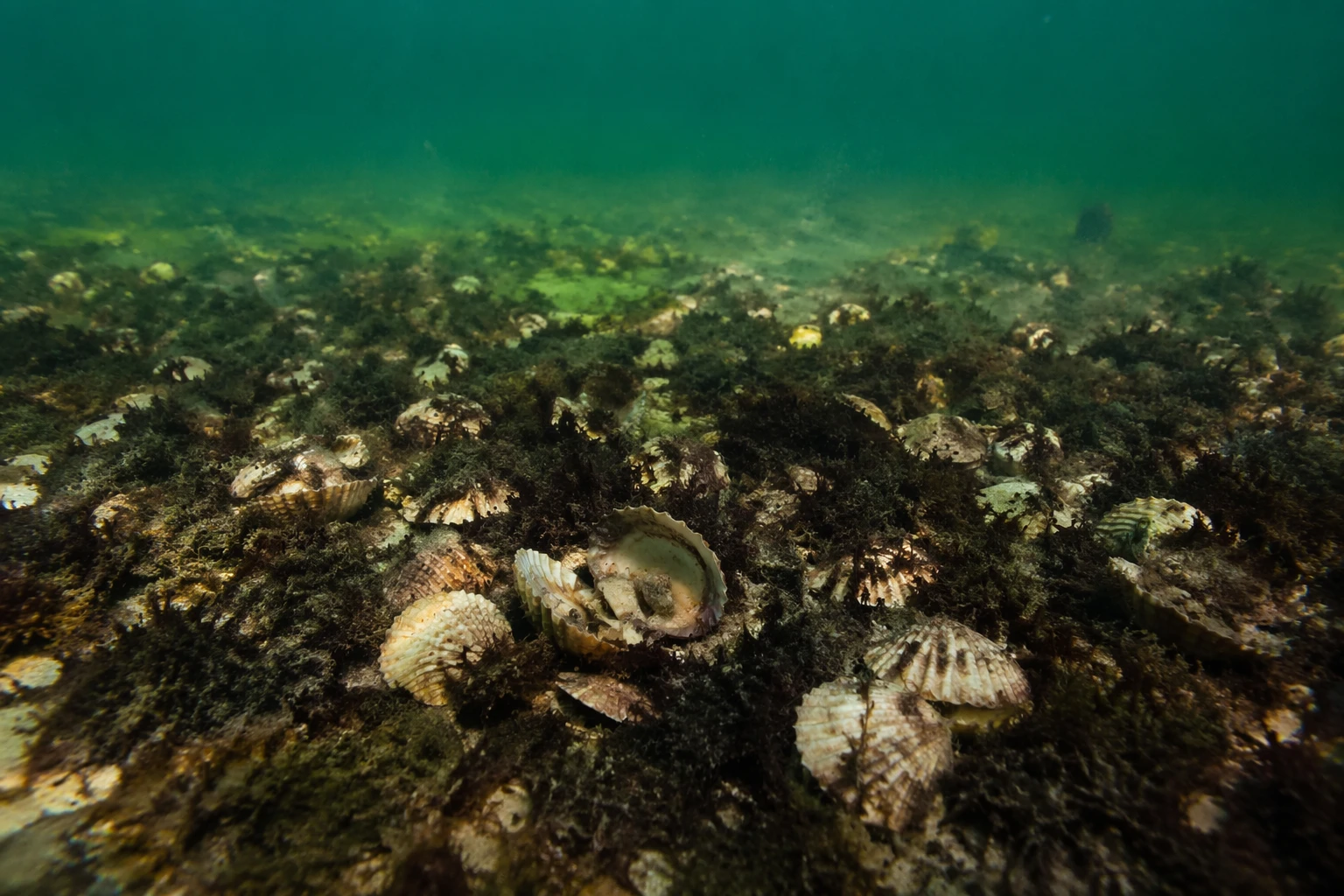
Prolonged sea heat can trigger mass die-offs in seagrasses, shellfish and other species, while encouraging warm-water animals such as octopus, disrupting breeding cycles and helping harmful algal blooms spread. The hottest areas were off eastern and southern England, with the English Channel and southern North Sea especially vulnerable to further warming.
The provisional UK June temperature record was exceeded on three consecutive days last week, and the Bay of Biscay reached unprecedented June sea-surface temperatures. Dr Zoe Jacobs of the National Oceanography Centre said conditions were already closer to the height of summer, around the end of August, than to early July.
In tidally mixed seas such as the Irish Sea, the English Channel and the southern North Sea, the warming was not only at the surface but below it as well. Warm, calm weather can intensify marine heatwaves by limiting the sea’s ability to cool, while the surrounding marine environment can also help keep warmth locked in on land after an atmospheric heatwave begins to ease.
A Met Office and Cefas analysis in 2024 found UK sea temperatures had risen by around 1C over the past 40 years and that marine heatwaves had increased by about four a year in recent decades. UK marine heatwaves typically last two to four weeks, but a 2025 episode in northwest European waters lasted more than two months and reached record highs for April and May since satellite monitoring began in 1982.
Cefas WaveNet data in May 2025 recorded sea temperatures 1.2C to 2.9C above average at several sites, and briefly 4.6C above average at Tyne/Tees off the Yorkshire coast. The western English Channel has seen almost continuous marine heatwave conditions for the past two years, and the Plymouth Marine Laboratory’s Western Channel Observatory has been collecting data since 1903.
Sources
- [1]bbc.co.uk
- [2]metoffice.gov.uk
- [3]noc.ac.uk
- [4]pml.ac.uk
- [5]cefas.co.uk
- [6]marinescience.blog.gov.uk