Business
UK tattoos rise, but workplace stigma still lingers

In July 2024, YouGov data cited by IBISWorld said 24% of UK adults had at least one tattoo, up from 21% in 2020. Yet the numbers also show how selective the acceptance is: a separate YouGov survey found 42% of adults said visible tattoos were acceptable, while 41% said they were acceptable only if they were not on the face or neck.
That split helps explain why tattoos can feel normal on the street and still be treated as a problem in hiring. Research from Liverpool John Moores University found visible tattoos in the workplace still carry negative connotations, even as attitudes are changing and remote working has reduced the influence of appearance on judgments. The study focused on perceptions of tattoo acceptability from the perspective of people who have them, a reminder that the bias is felt most sharply by workers, not just applicants.
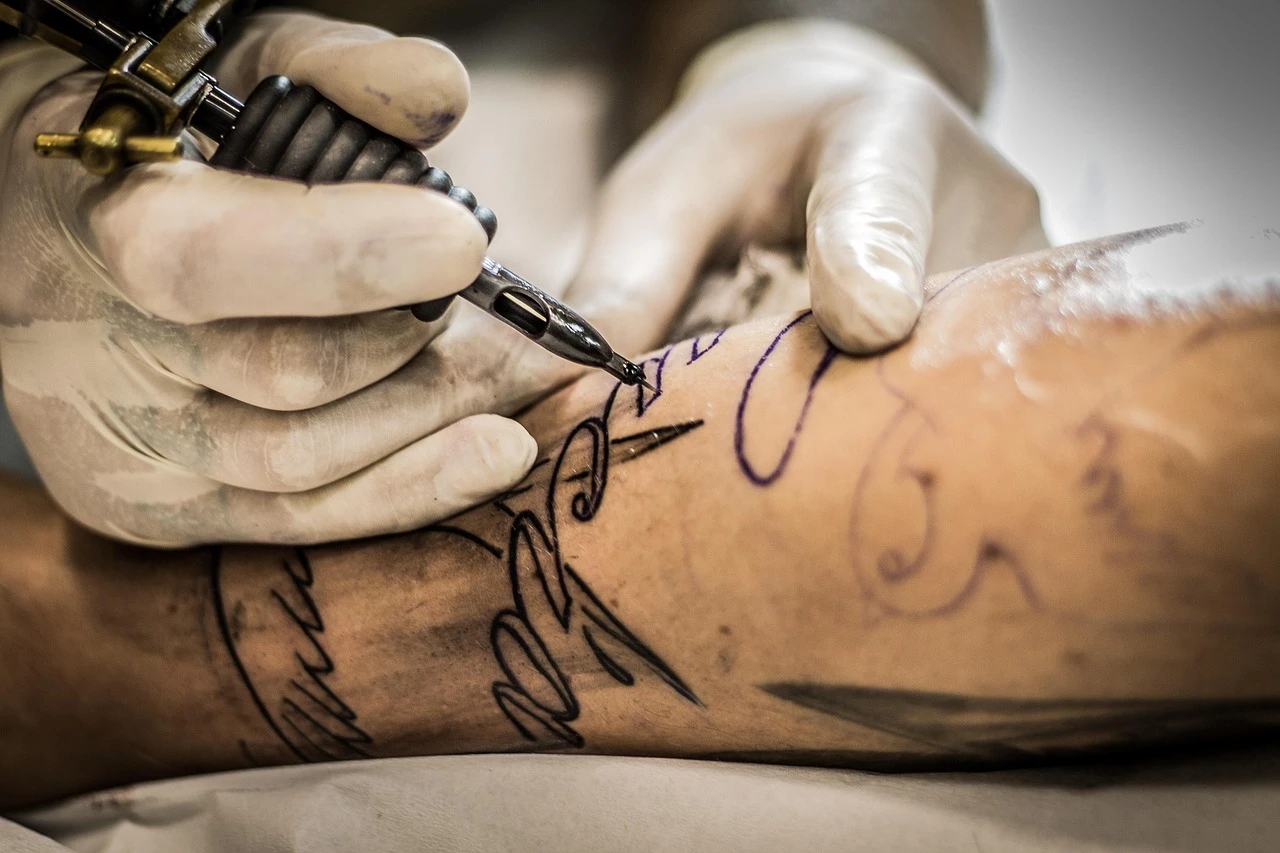
Employer rules have lagged behind social change. A 2018 XpertHR survey, cited in Emerald’s summary of the research, found that over two-thirds of employers had dress code policies that prohibited or restricted tattoos in the workplace. That matters most in customer-facing jobs and more conservative sectors, where visible ink can still be treated as shorthand for professionalism, even when there is no evidence it affects performance.
Some employers have started to move the other way. Virgin Atlantic relaxed its visible tattoo rules in June 2022 and said staff could show tattoos as part of a wider push to let employees be themselves. Shai Weiss said that policy change led to a 522% increase in job searches for cabin crew roles, suggesting that appearance rules can shape both who applies and how attractive a brand looks to recruits.
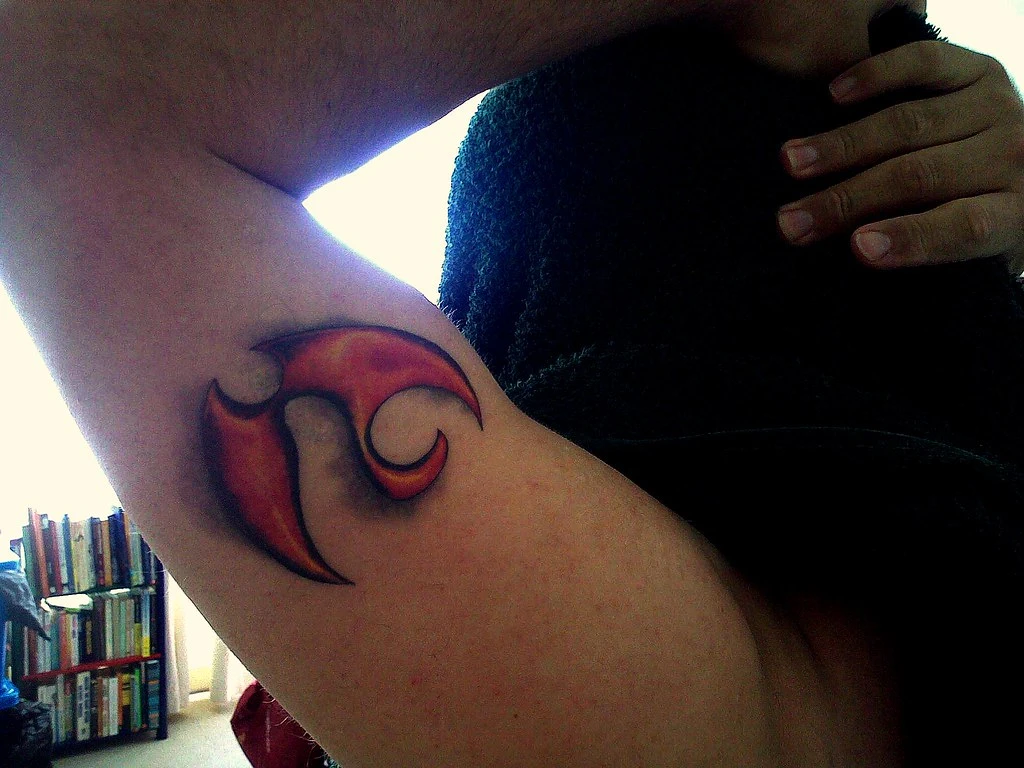
A 2024 Fisher Phillips guide said visible tattoos, facial piercings and bright hair colors were once largely viewed as taboo in the workplace, but attitudes have changed significantly in recent years. In practice, the gap remains between normalization and screening: a growing share of UK adults have tattoos, but employers in regulated, public-facing and image-conscious roles still hold the line on what counts as acceptable ink.
Sources
- [1]bbc.co.uk
- [2]ibisworld.com
- [3]d3nkl3psvxxpe9.cloudfront.net
- [4]emerald.com
- [5]researchonline.ljmu.ac.uk
- [6]personneltoday.com
- [7]virgin.com
- [8]linkedin.com
- [9]letscatapult.org
- [10]yougov.com