World
UK to end loophole for Russian oil products by 2027
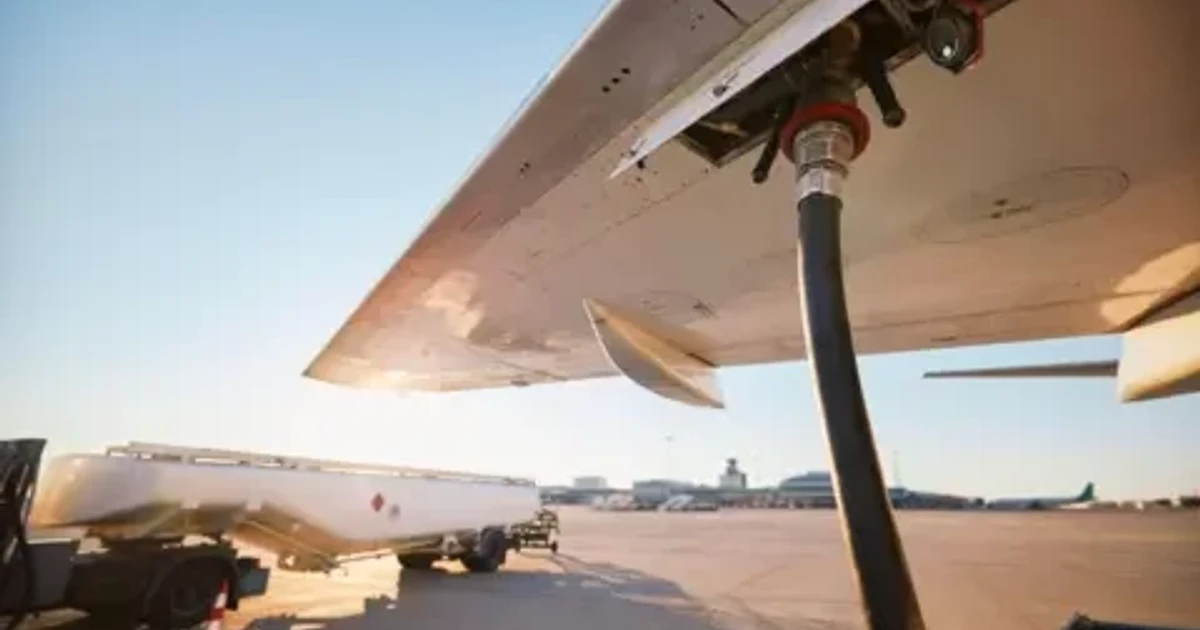
Britain is closing the last major loophole in its Russian oil sanctions, with diesel and jet fuel made from Russian crude in third countries set to fall under a full ban by 1 January 2027. The move matters because the UK had already banned direct imports of Russian crude and refined products from 5 December 2022, so the new step targets the remaining supply route rather than reopening the wider oil ban debate.
The government confirmed on 12 June 2026 that the temporary licence allowing those products to enter Britain will expire at the start of next year and be reviewed every two weeks until then. Ministers cast the arrangement as a short-term supply measure, saying the phased timetable would give industry certainty while shutting down the remaining route for Russian oil. The wider sanctions package announced on 20 May 2026 also tightened restrictions on liquefied natural gas maritime services, underlining how the UK is broadening pressure on Moscow beyond crude alone. Officials say more than 3,300 individuals, businesses and vessels have now been sanctioned under the Russia regime.
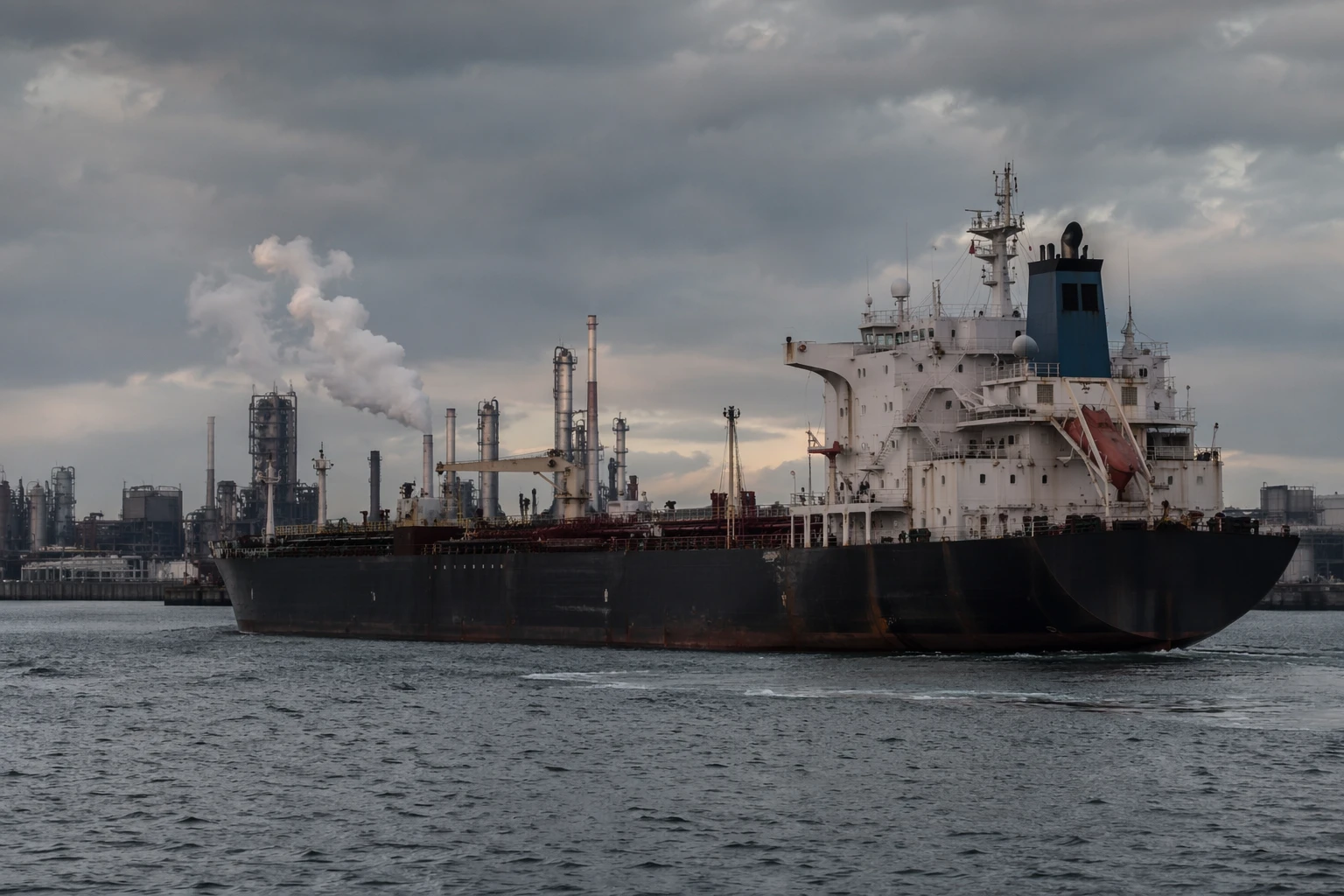
The policy also marks a reversal of criticism that has followed the UK’s oil embargo since it was brought forward from an original 31 December 2022 start date to 5 December 2022 to match European Union timing. Campaigners warned in December 2022 that a loophole could still let refined products made from Russian crude into Britain through third countries, with Global Witness saying sanctions risked becoming “nothing more than a press release.” That argument has returned as lawmakers in Britain and Ukraine attacked the 2026 carve-out as a retreat from the promise to cut off Russian oil revenues funding the war in Ukraine.
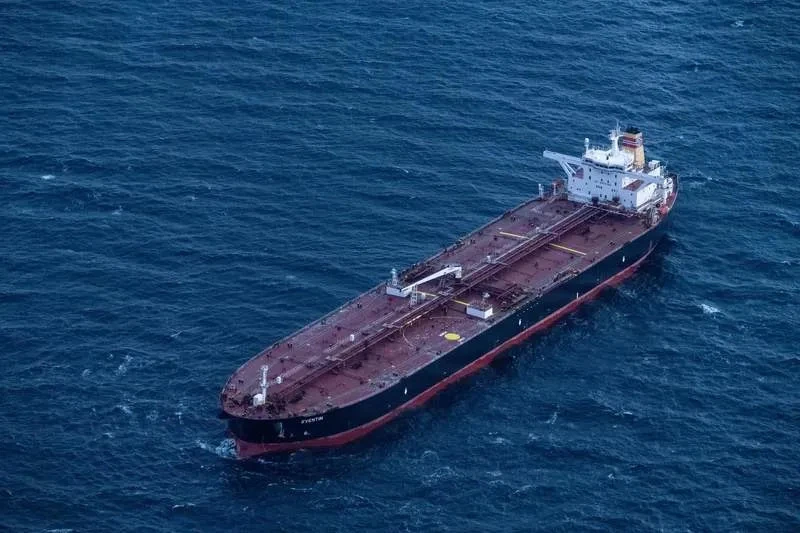
The scale of the remaining exposure helps explain the political pressure. The Centre for Research on Energy and Clean Air estimated that the UK imported £4 billion of oil products from refineries in India and Turkey between the direct-import ban and the end of 2025, with £1.6 billion of that likely made with Russian oil. CREA also said roughly one in six jet-fuel shipments entering the UK came from refineries running on Russian crude, a reminder that the gap has been filled by overseas processing rather than by direct Russian imports.
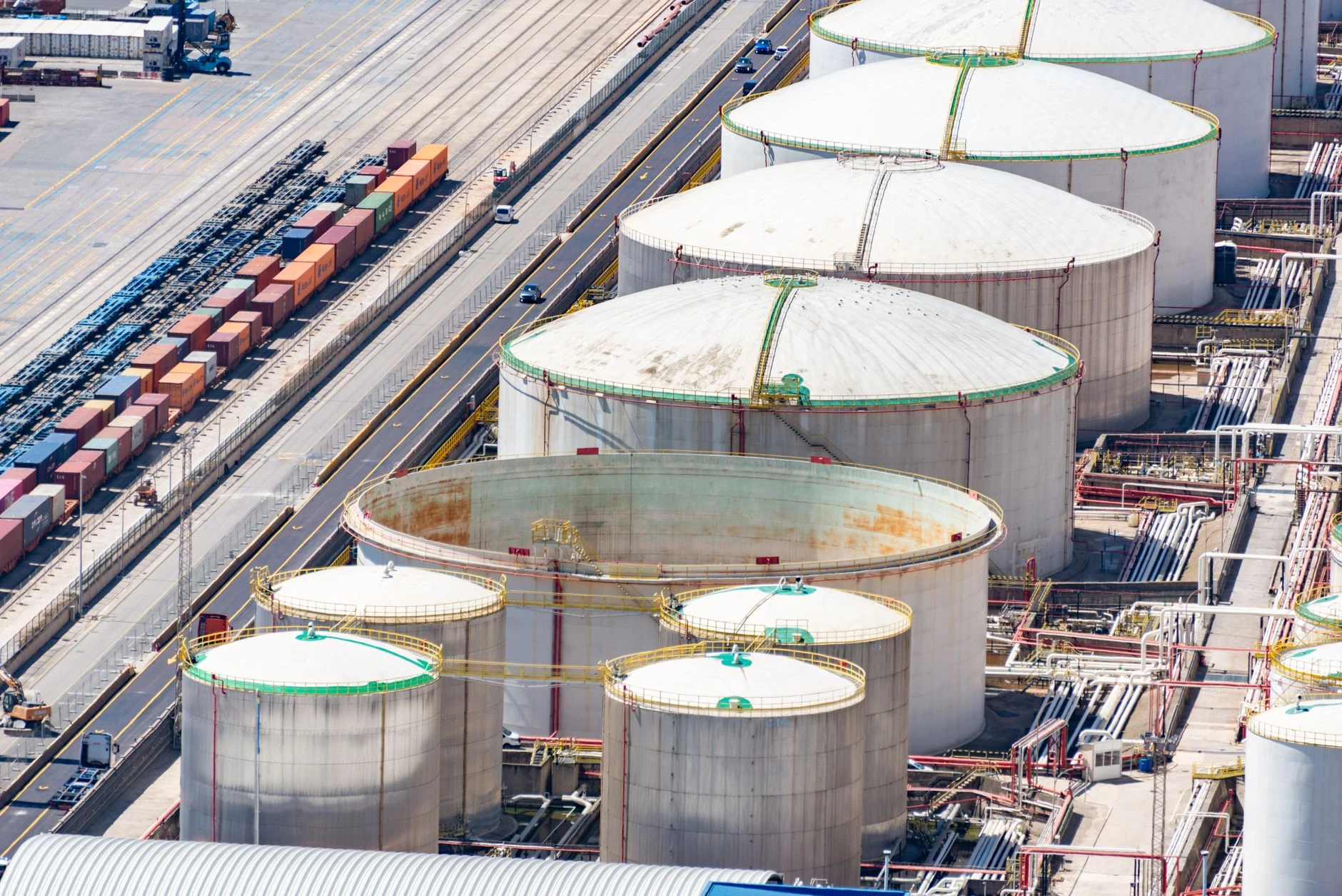
For airlines, freight operators and consumers, the immediate question is whether those alternative supply chains can keep flowing without forcing up costs this winter. The government is betting that a staged exit from the licence will preserve supply while finally sealing off the last route for Russian oil into the UK, and that is now the central test of its sanctions strategy.