Politics
UK to issue apology for historic forced adoption scandal
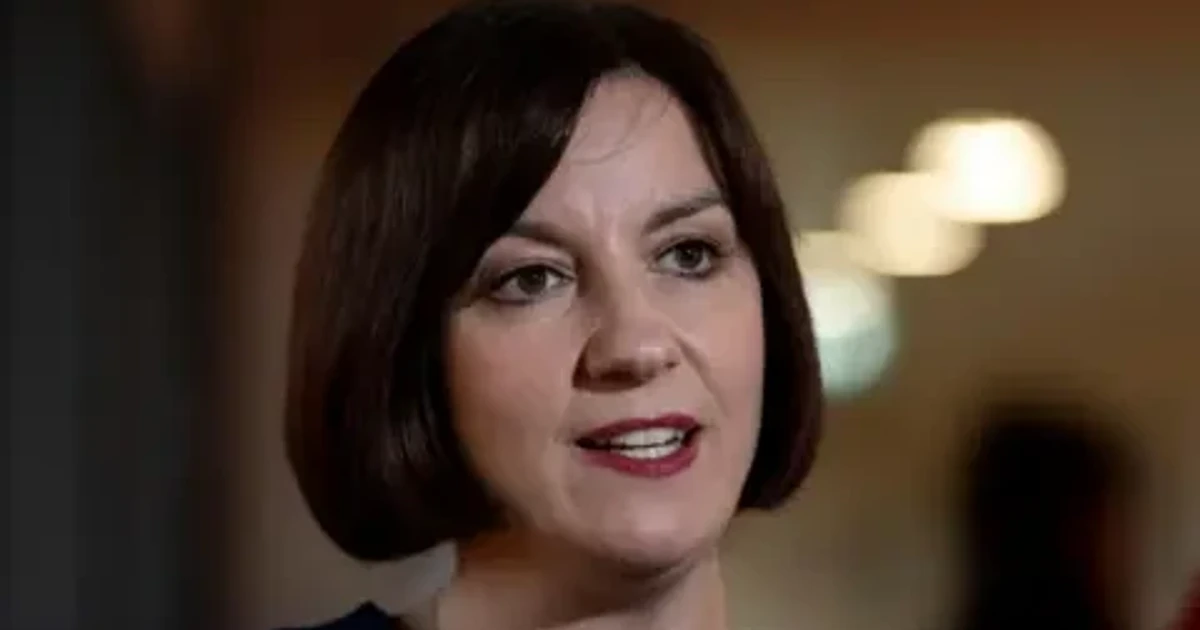
The government said survivors of historic forced adoption in England would receive a full apology on behalf of the state, a rare admission that moves the scandal from private grief into the public record. Education Secretary Bridget Phillipson said the practice belonged to a shameful period in the country’s history, but campaigners want ministers to prove that the apology is the start of accountability, not the end of it.
The scale is staggering. The Education Committee estimated that around 185,000 children were adopted between 1949 and 1976 in England and Wales, many after unmarried mothers were shamed and coerced into relinquishing them. MPs said the state helped shape that environment and argued that the apology must be unqualified, formally issued and backed by a clear timetable.
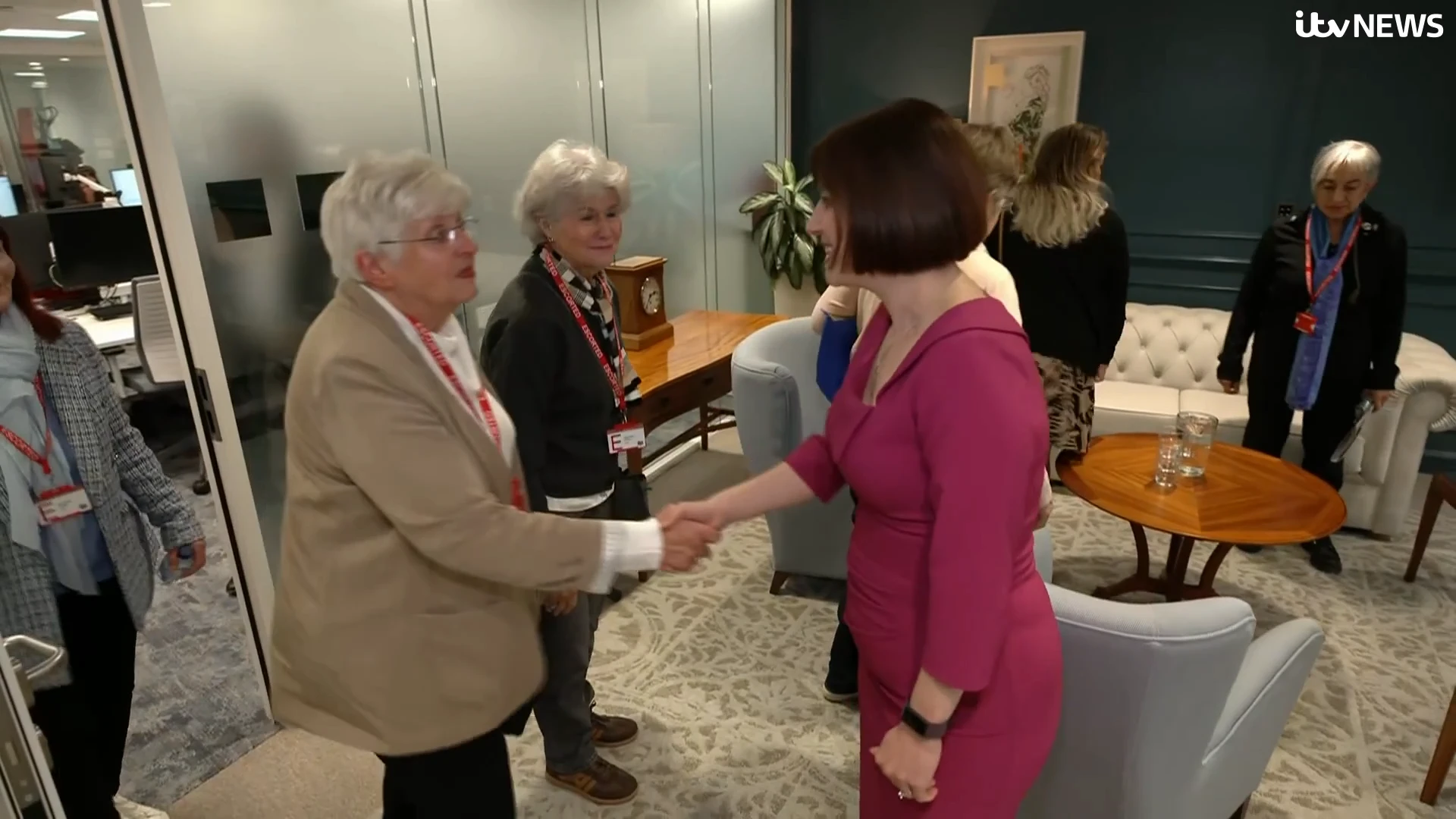
The committee heard evidence on 10 March 2026 from four survivors who are now campaigners: Ann Lloyd Keen, Diana Defries, Sally Ells and Debbie Iromlou. Members said their testimony was among the most powerful they had heard, and that the apology was needed to correct the public record and acknowledge the state’s central role in enabling the practice. The committee launched its report on 27 March 2026.
Beyond the apology itself, the report pushed ministers toward practical repair. It recommended better access to records, stronger record-keeping duties for institutions and a nationally funded, regulated intermediary service for mothers, adoptees and other relatives. Those measures matter because many families still face sealed files, missing information and long delays in trying to trace what happened.
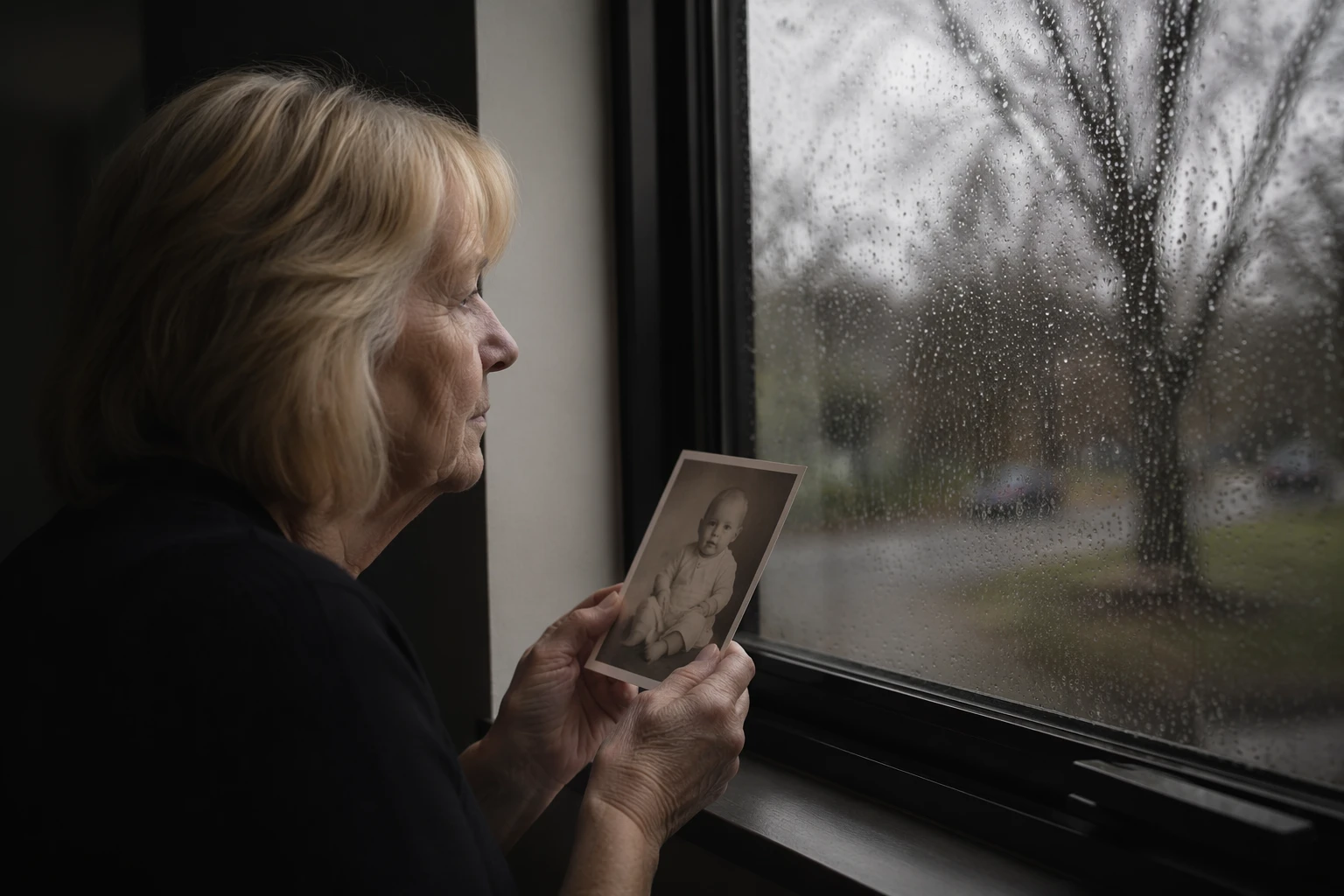
The Movement for an Adoption Apology has spent years pressing Westminster for recognition, acknowledgement and justice for first parents and adult adoptees, after devolved administrations in Cardiff and Holyrood already issued apologies. Its campaign has focused on the pain, grief and suffering of mothers and the lifelong trauma carried by adoptees, many of whom say the state has acknowledged too little for too long.
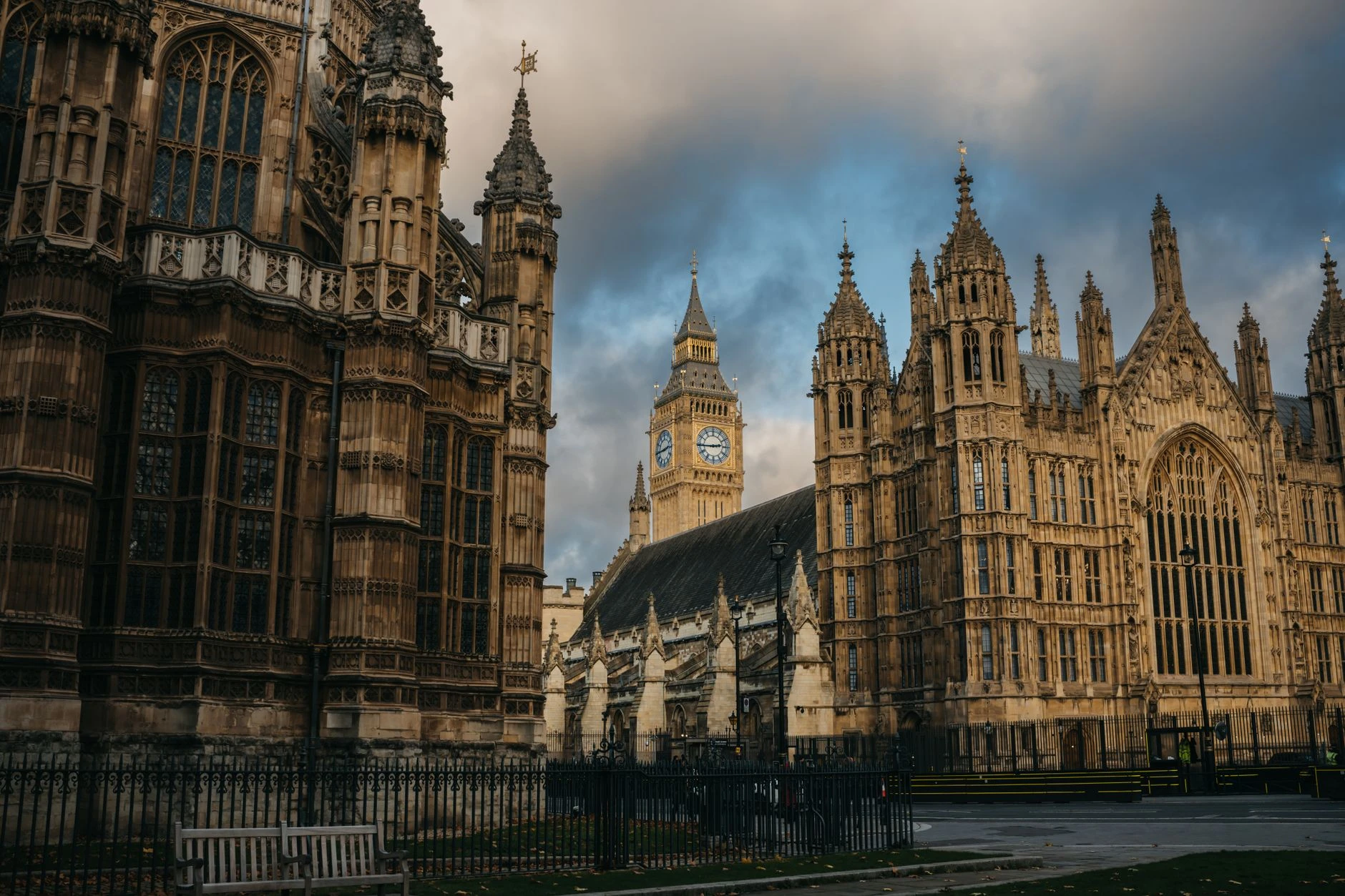
The committee also warned that the practices linked to forced adoption may have begun before 1949 and continued after the Adoption Act 1976, which means the apology may need to reach beyond the headline date range. For ministers, the test now is whether symbolic language will be matched by records access, support services and a more complete reckoning with what the state did, and what it still owes.