World
UK to launch public campaign on emergency preparedness and resilience
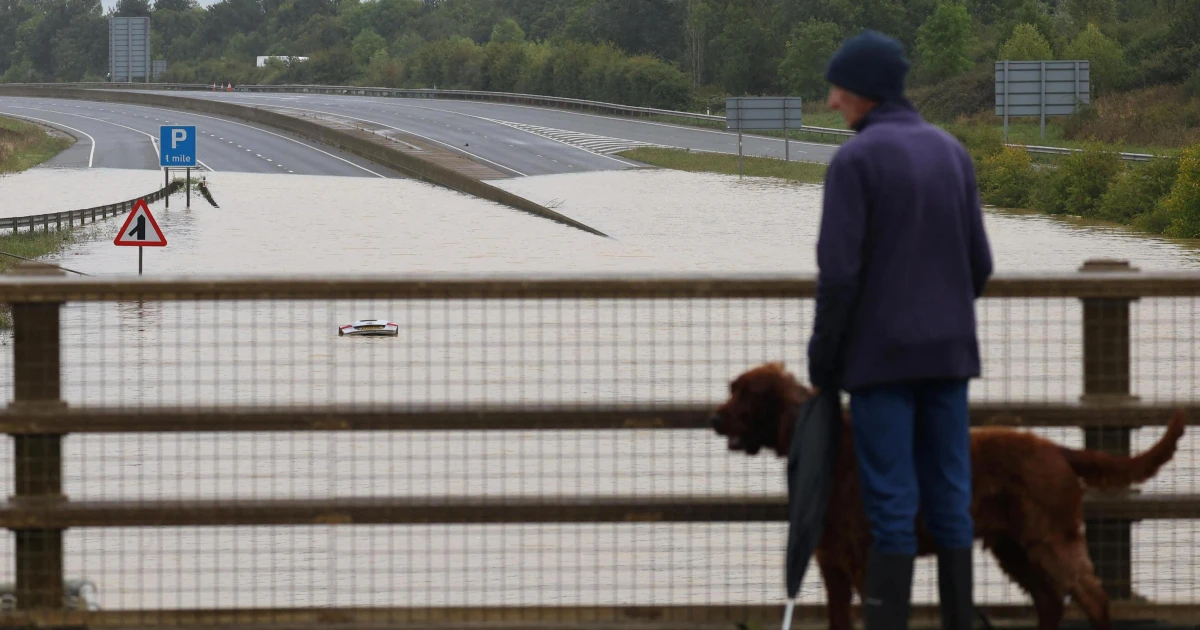
The government will launch a national resilience public awareness campaign later this year, asking households to make “small but important steps” to prepare for severe weather and cyber attacks that could disrupt power, water, phone signal or access to local shops for food.
Darren Jones told Parliament on 14 July 2026 that the campaign will build on information already on the government website. The update came alongside the annual implementation report for the UK Government Resilience Action Plan, first published by the Cabinet Office on 8 July 2025 and updated on 14 July 2025.
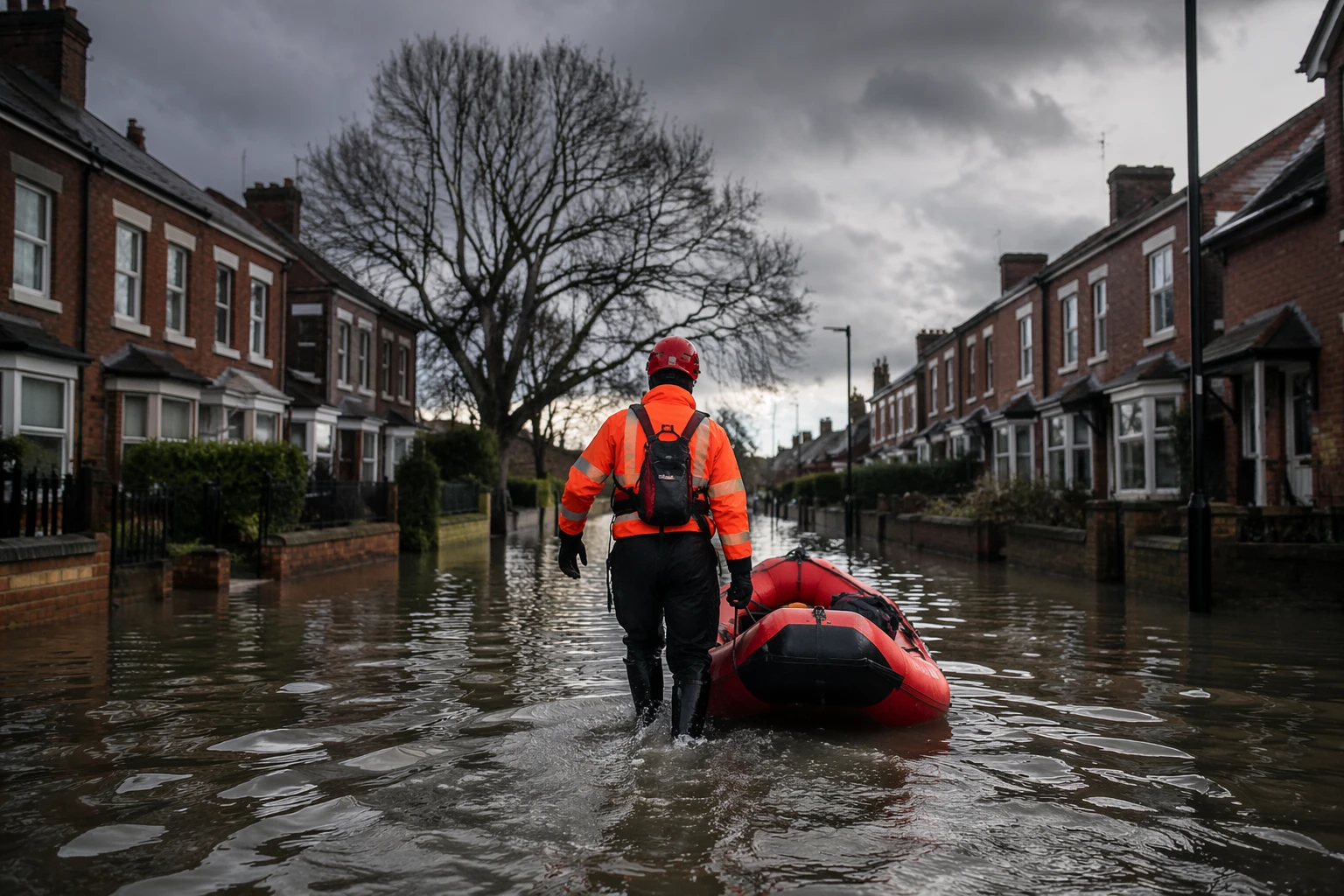
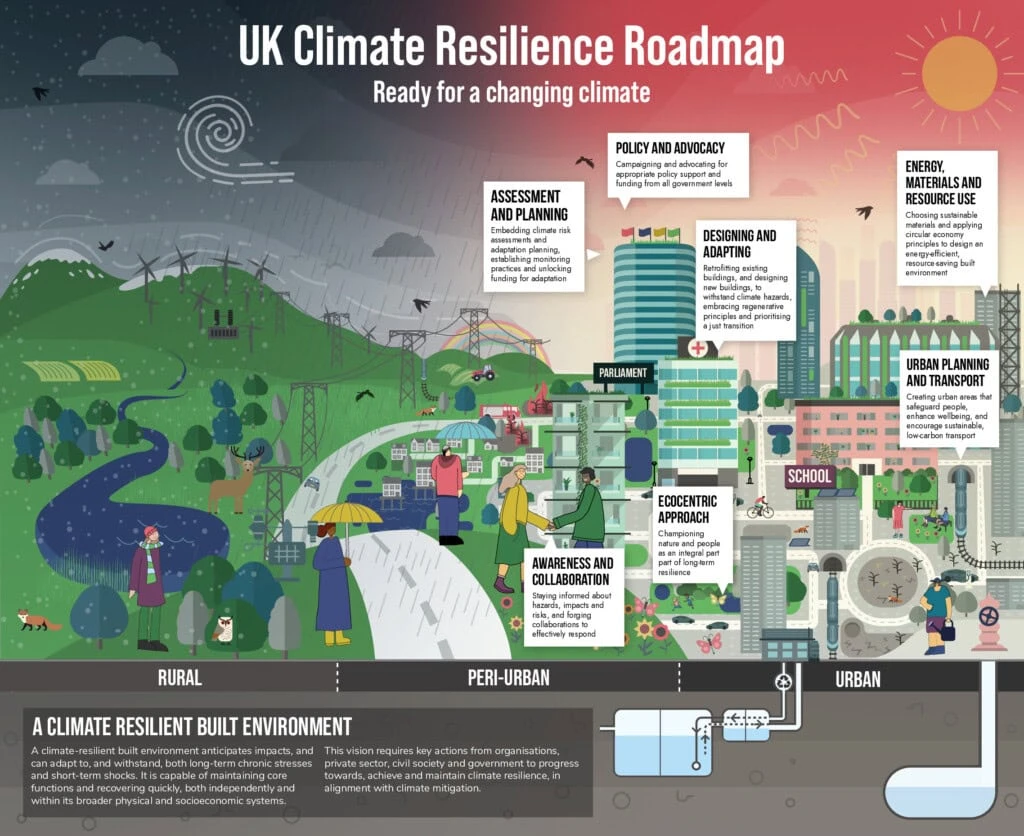
The plan sets out a whole-of-society approach to resilience, with responsibility shared across individuals, communities, businesses, local, devolved and national government, and public services across the UK. The latest annual update uses the National Security Risk Assessment and the National Risk Register, which lists 95 risks in total and includes a summary of all but the most sensitive classified threats.
Ministers also said they will publish an Energy Resilience Strategy and a Transport Resilience Strategy later this year. Home defence planning has been accelerated, the government War Book has been updated and the largest UK home defence exercise in several decades will be held in 2027. Defence spending is due to rise to almost £80 billion a year by 2029.
The Government Cyber Action Plan, updated on 20 March 2026, warns that hostile states and criminal groups are actively probing defences. The new Government Cyber Unit is backed by more than £210 million of central investment to drive cyber resilience across government and the public sector. More than 60 businesses including M&S, Nationwide, ITV, Microsoft UK and Cloudflare signed a Cyber Resilience Pledge on 7 July 2026 for better board-level oversight, greater use of National Cyber Security Centre tools and tighter supply-chain security.
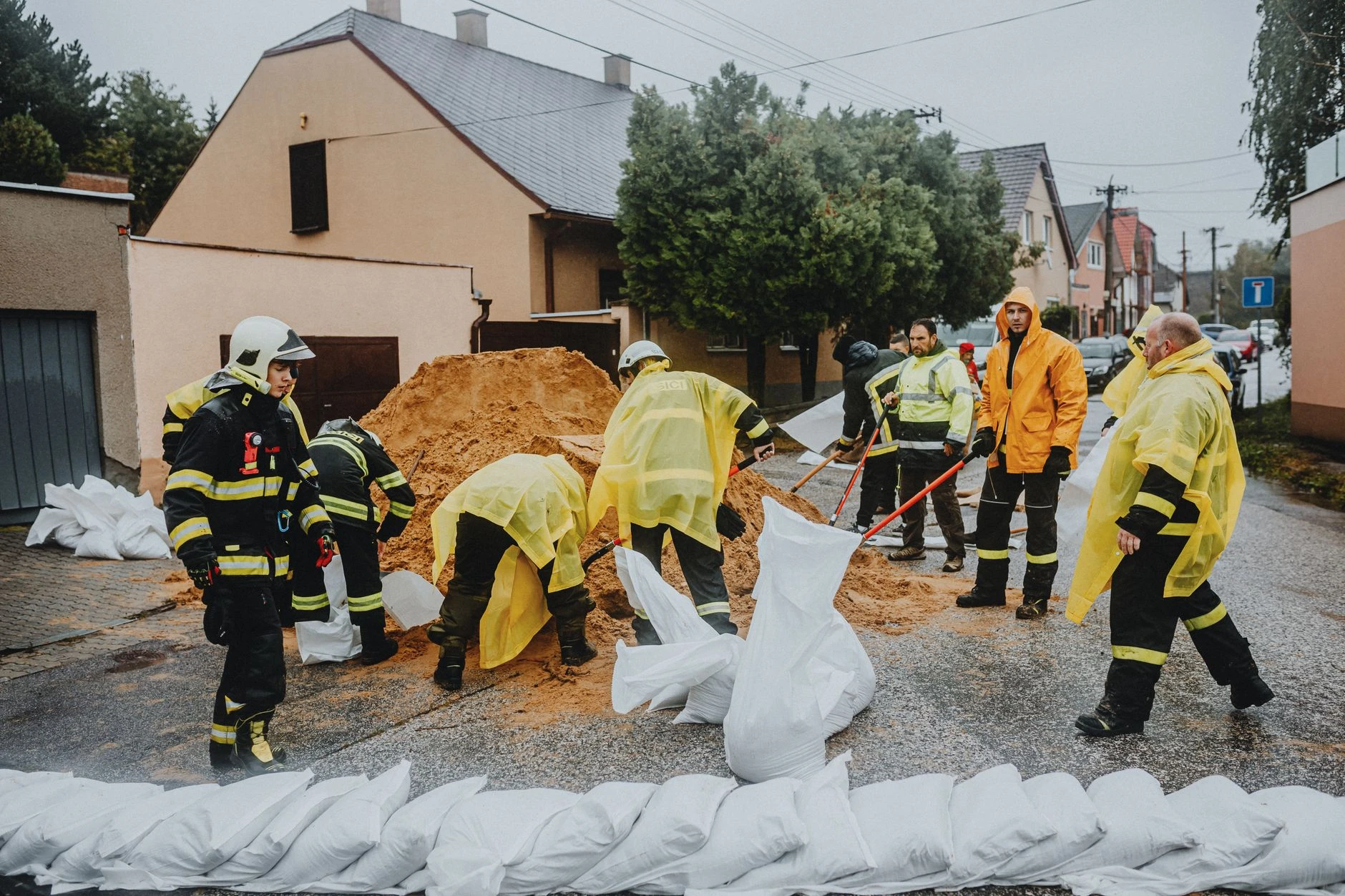
The Cyber Resilience Pledge says cyber-attacks cost the UK £14.7 billion a year. Temperatures in the UK broke records in May and were exceeded again in June, while weather, infrastructure, food and water systems, and public health all came under strain. The update also linked climate change to the spread of high-consequence infectious diseases, including recent cases of highly pathogenic avian influenza, Ebola and Andes hantavirus.
Sources
- [1]bbc.co.uk
- [2]questions-statements.parliament.uk
- [3]gov.uk
- [4]ukpol.co.uk