Health
UK warns ear cartilage piercings can cause permanent deformity
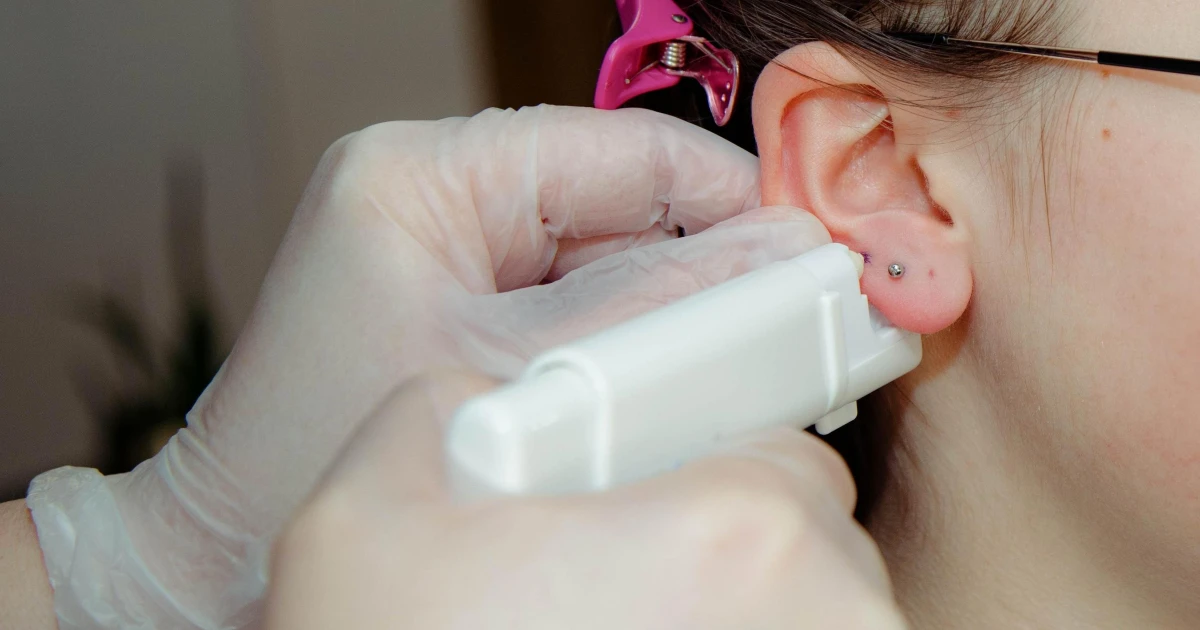
Upper ear and cartilage piercings can trigger auricular perichondritis, an infection that can progress to abscess formation, cartilage death and permanent deformity. UK Health Security Agency guidance, published on 25 September 2024, states the risk is higher in cartilage than in the ear lobe and that bacteria can be transferred from water or water-based products used during piercing.
At-home piercing kits are still easy to buy online. Kits have been sold for as little as £1.50, and one 17-year-old from Torfaen said she bought a kit at 14 after seeing TikTok videos and encountered no age checks. The NHS advises that infected piercings can be serious if not treated quickly, advises against doing your own piercings and recommends qualified, experienced and licensed piercers.
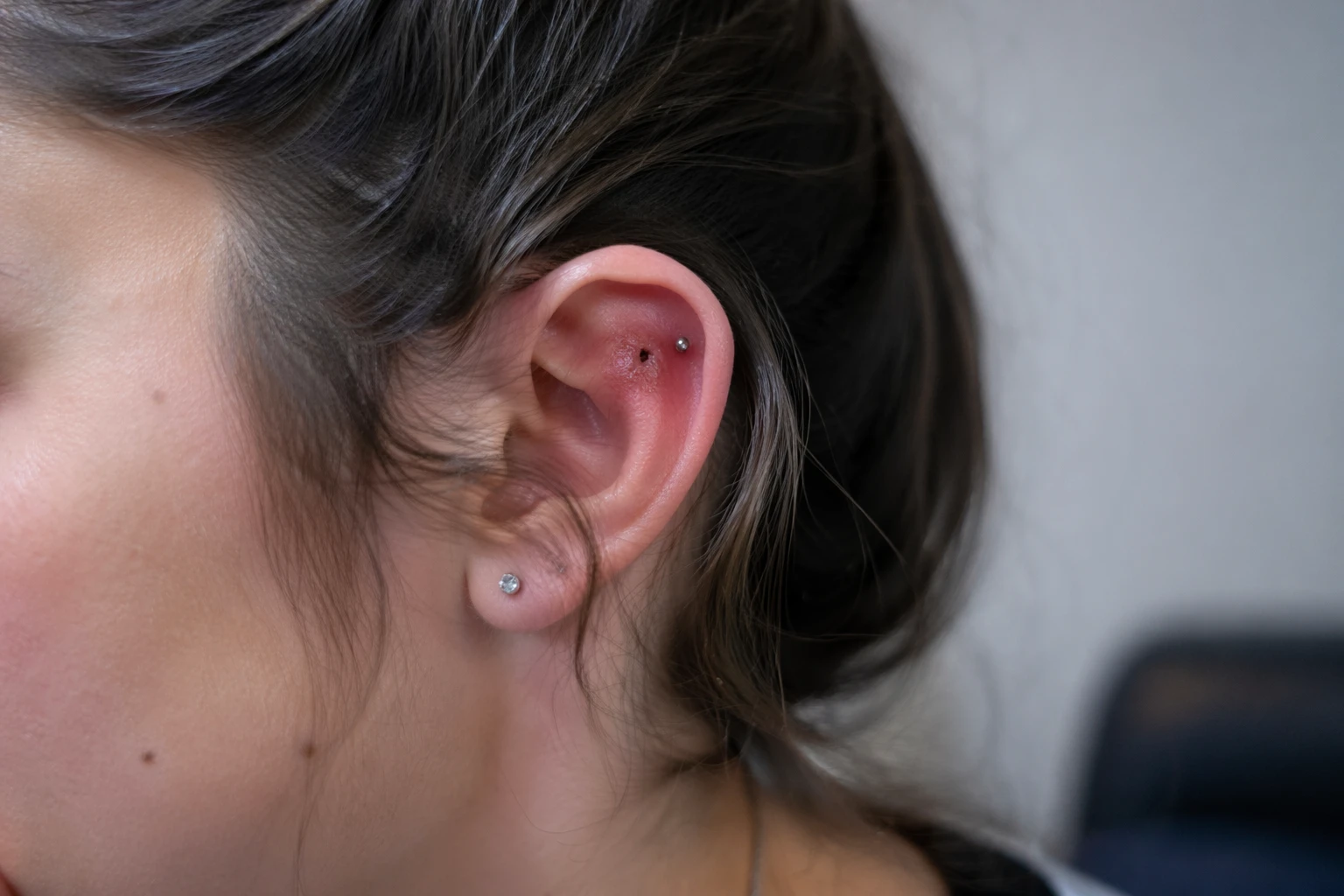
Lucy Quinn, a professional piercer from Barry, has seen injuries linked to piercing guns become increasingly common over the four years since she became a piercer. She described uneven lobes, “completely shattered” helixes and traguses, and deformities so severe that there is nothing to repair. Quinn said her studio now sees clients who need new piercings worked around existing scarring or misaligned previous piercings.
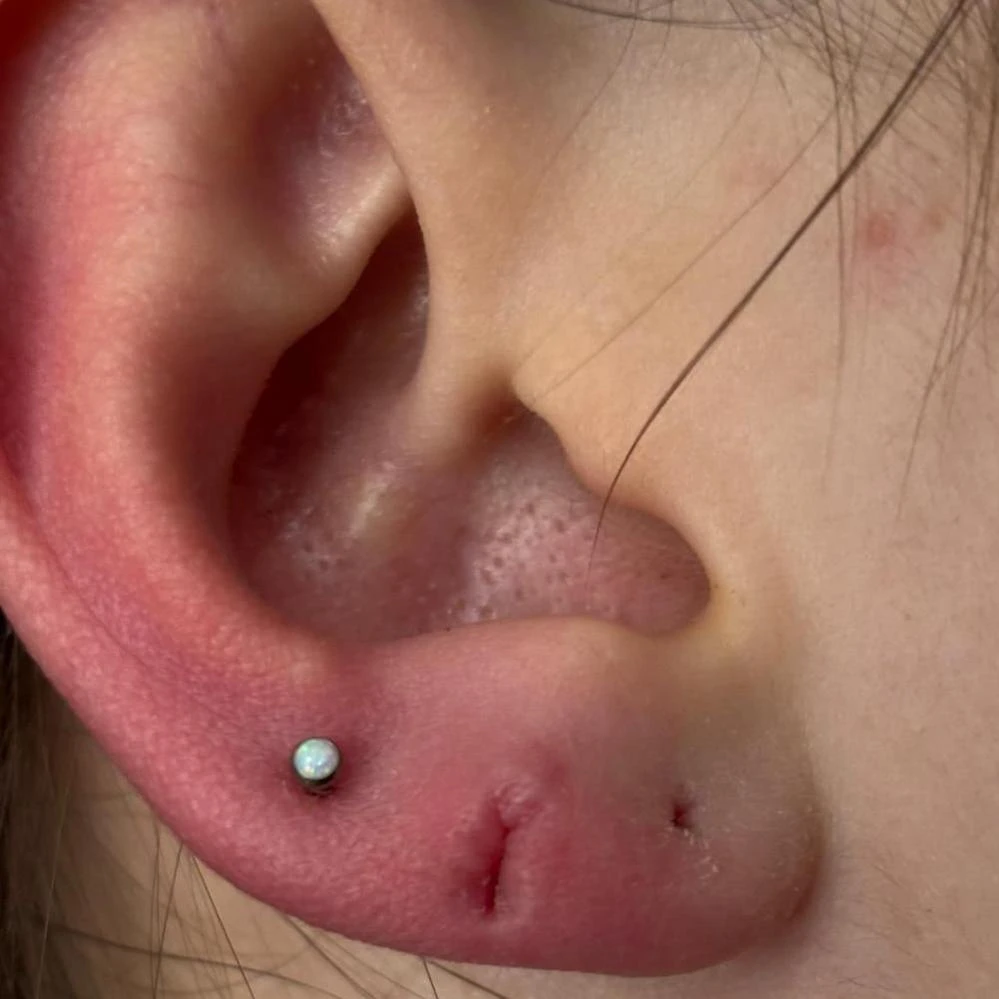
There have been numerous published case reports of auricular perichondritis after ear-piercing over the last 25 years, and a 2025 outbreak study identified 10 cases of Pseudomonas aeruginosa perichondritis linked to a cosmetic piercing studio and a contaminated water system. In that outbreak, isolates from patients, a handwash sink, tap water and a wall-mounted point-of-use water heater were indistinguishable by VNTR typing.
Existing council-adopted byelaws and UK guidance do not mention the risk of post-piercing perichondritis. The UK Association of Professional Piercers has called for at-home kits and piercing guns to be abolished, arguing that reusable guns can expose clients to blood and bodily fluids if they are not properly sterilised.
Sources
- [1]bbc.co.uk
- [2]gov.uk
- [3]nhs.uk
- [4]pubmed.ncbi.nlm.nih.gov
- [5]yahoo.com
- [6]ukapp.org.uk
- [7]safepiercing.org