Business
UK weighs lower electric car sales target amid industry pressure
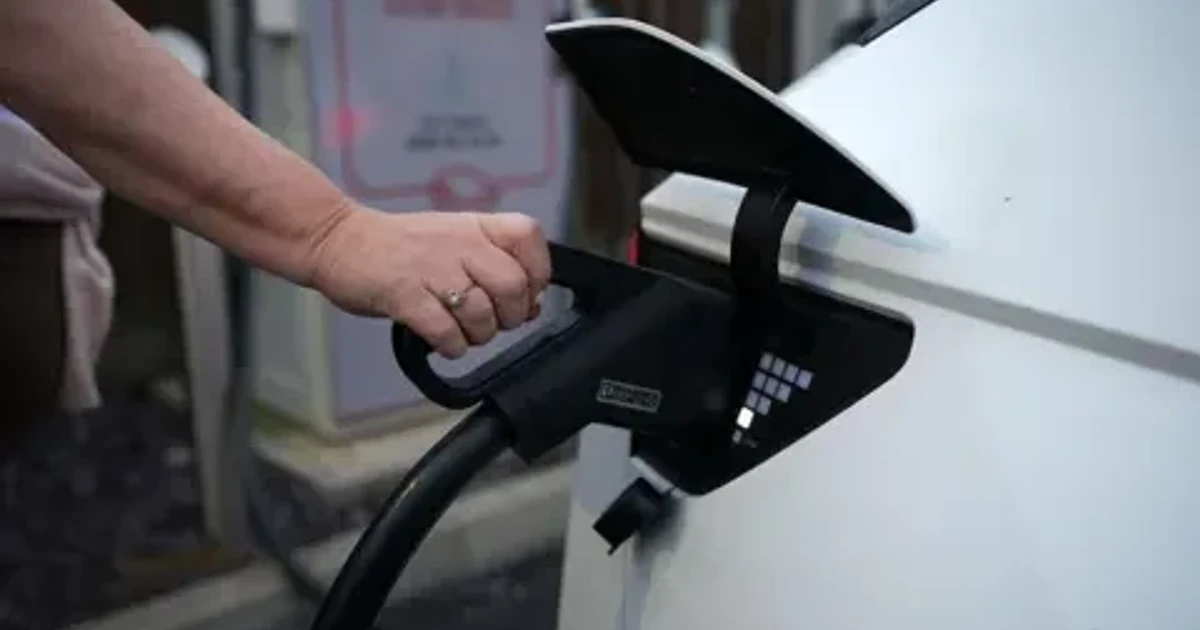
The UK is considering a lower electric car sales target as ministers face mounting pressure from manufacturers, unions and climate groups over the pace of the switch away from petrol and diesel. The new number has not yet been decided, but different options are under discussion, raising the prospect of another reset to a policy meant to drive the country toward mass EV adoption.
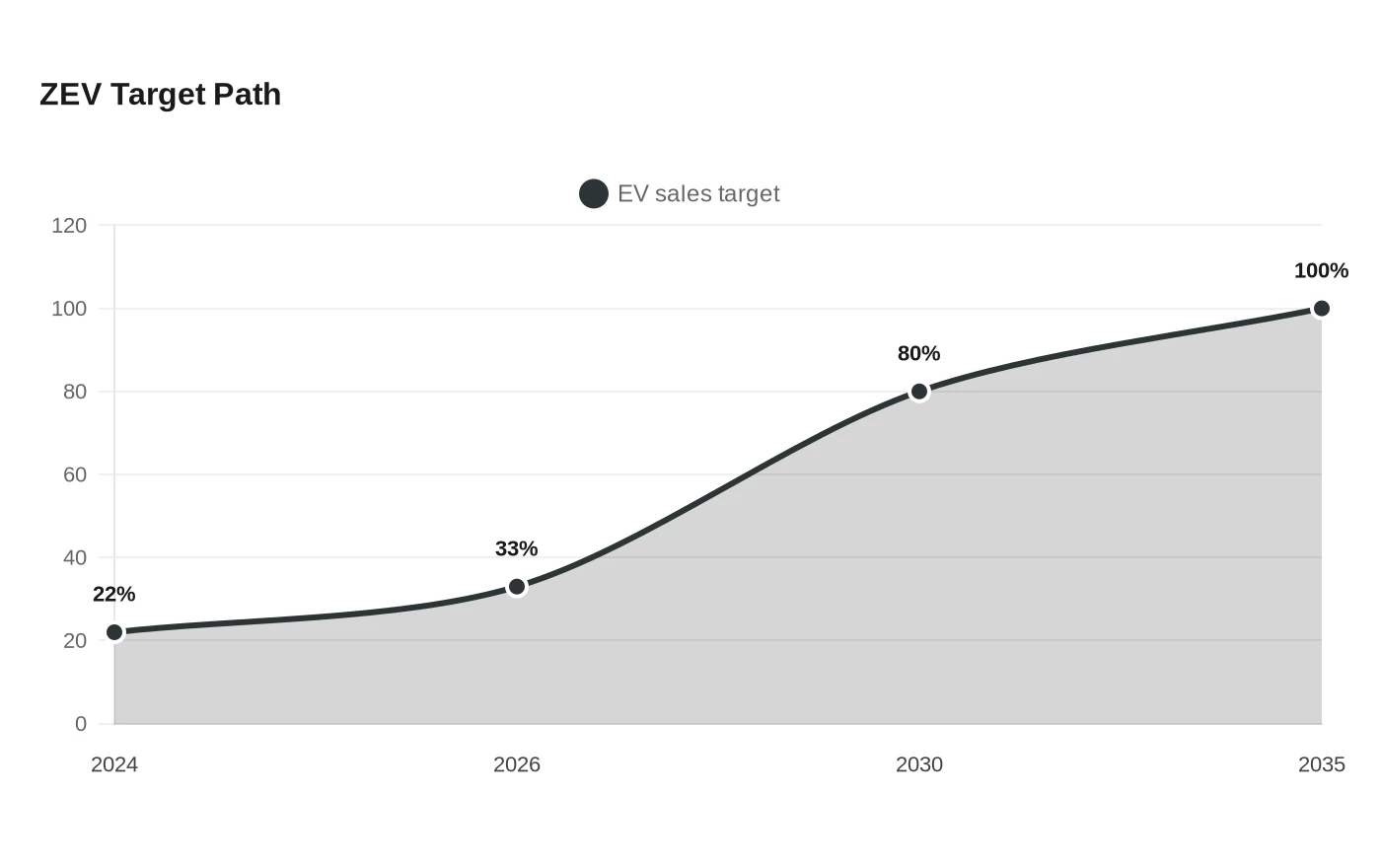
Under the current Zero Emission Vehicle mandate, 80% of new cars sold in the UK are supposed to be electric by 2030, with annual minimum targets rising from 2024 before reaching 100% by 2035. Government documents show the first year of the mandate, in 2024, delivered a 24.3% compliance rate, above the 22% target. For 2026, the benchmark is 33% for cars and 24% for vans.
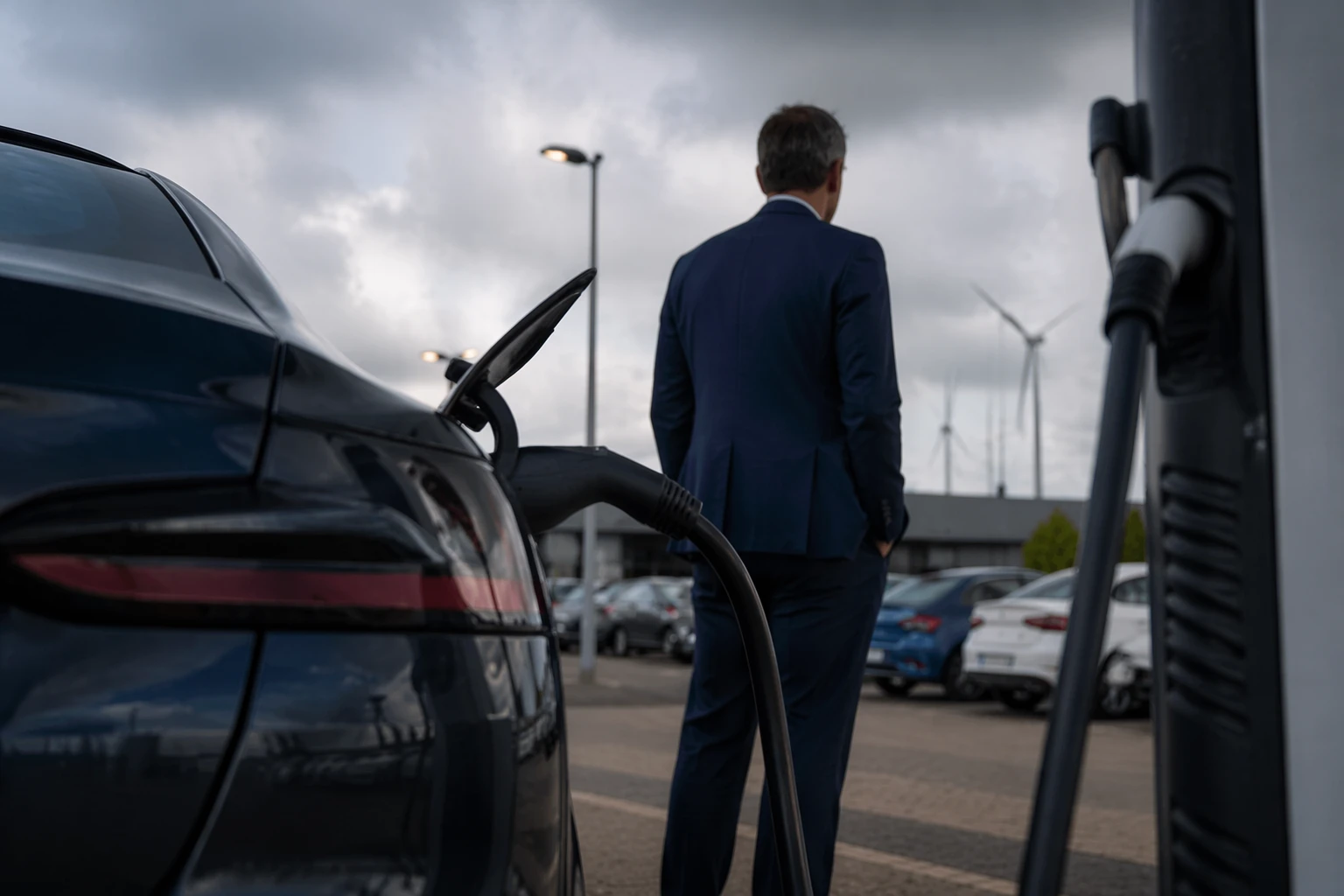
Industry groups say the market is still trailing the rulebook. The Society of Motor Manufacturers and Traders said in May 2026 that EVs made up 23.9% of new car sales so far this year, well below the 33% target. In February 2025, the group said EVs were on course to account for about 28.5% of sales for the full year, again short of the target then in force. Its case is that faster rollout of public chargepoints and stronger government backing are needed to close the gap between regulation and what drivers are actually buying.
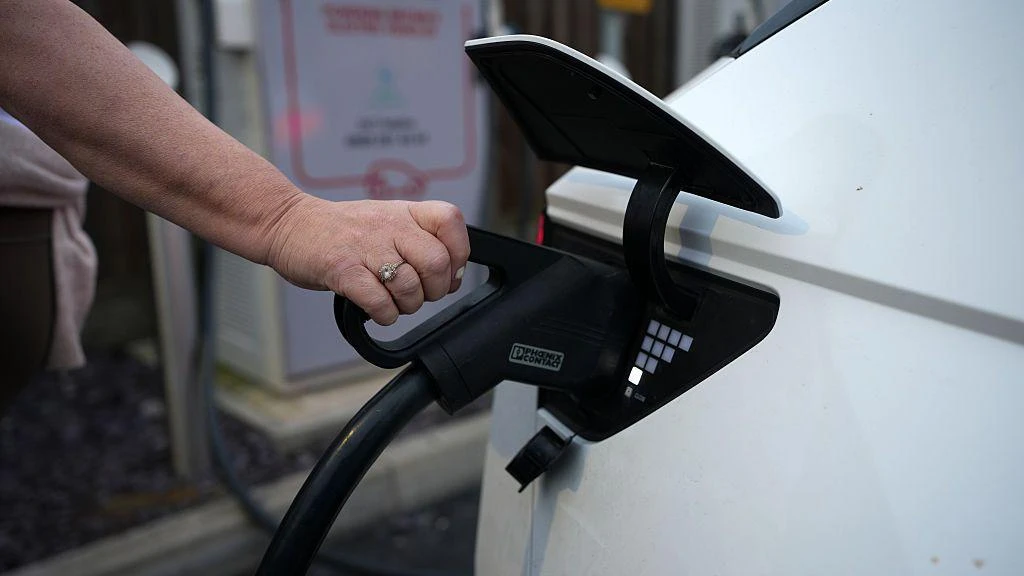
A lower target would probably give automakers more breathing room in the short term. It could reduce compliance pressure and help limit the cost burden that can filter through to showrooms, while also giving suppliers and retailers more time to adapt. But it would also risk slowing the investment cycle around charging, batteries and factory conversion that the UK needs if it wants to stay competitive with countries keeping tighter transition timetables.
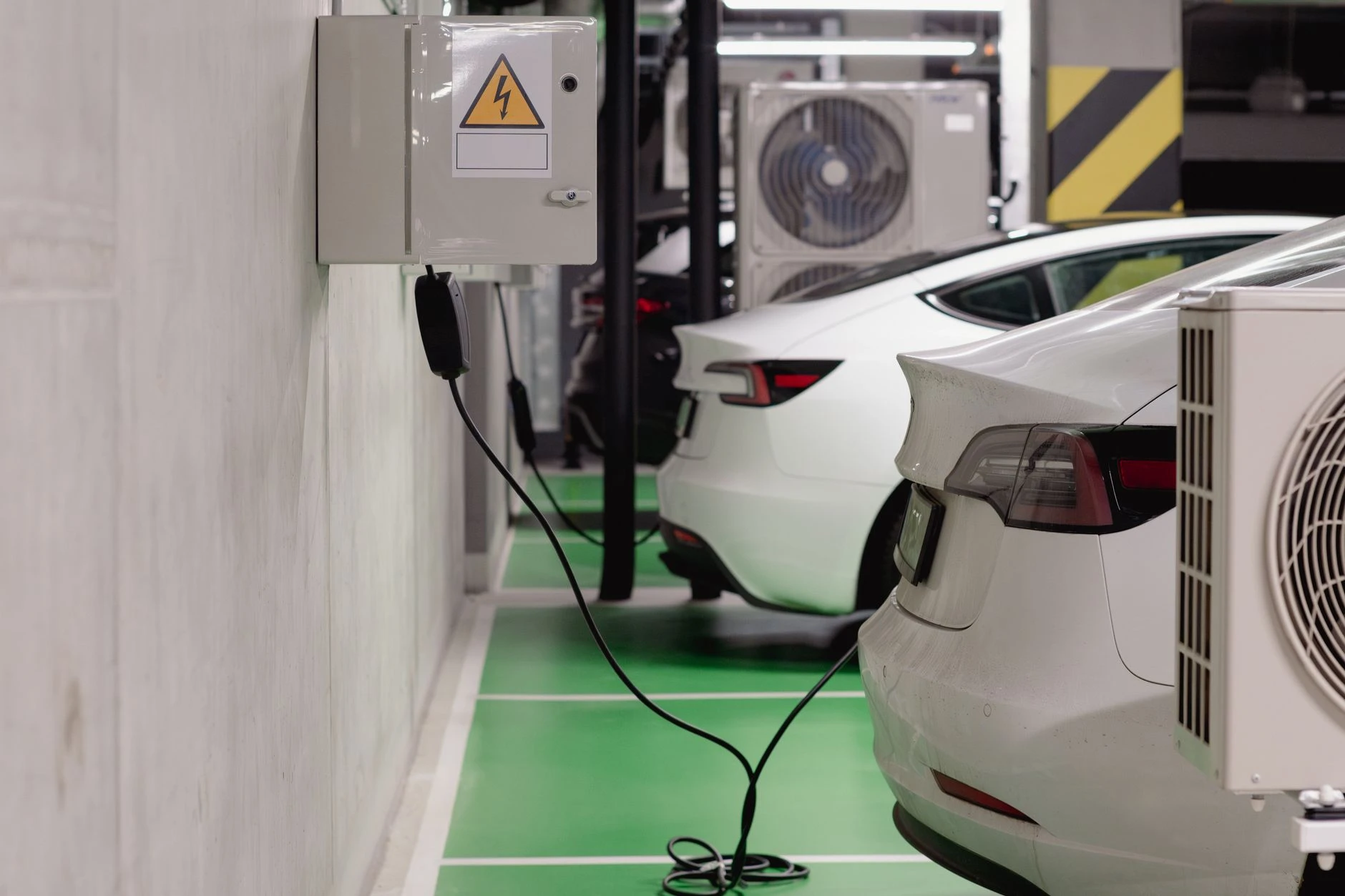
The political stakes are high. The government already changed the scheme once in 2025, saying the ZEV Mandate would be altered to make it easier for industry to upgrade to electric vehicles while still preserving the pledge to end sales of new petrol and diesel cars by 2030. Unite has called for a decisive reduction in targets to protect automotive jobs, warning that the gap between the mandate and actual sales could cost UK automotive producers about £11,000 in fines per vehicle this year.
Climate campaigners argue the opposite, saying weaker rules would damage Britain’s long-term electrification strategy. One analysis cited by campaigners suggested changes to the mandate could add 17 million tonnes of carbon dioxide to UK roads by 2030. That warning lands at a difficult moment for the sector, after Sky News reported that 2025 was the UK’s lowest vehicle production year since 1952.
Sources
- [1]bbc.com
- [2]gov.uk
- [3]smmt.co.uk
- [4]unitetheunion.org
- [5]news.sky.com
- [6]iea.org