Politics
UK weighs social media age limits for children after Australia ban
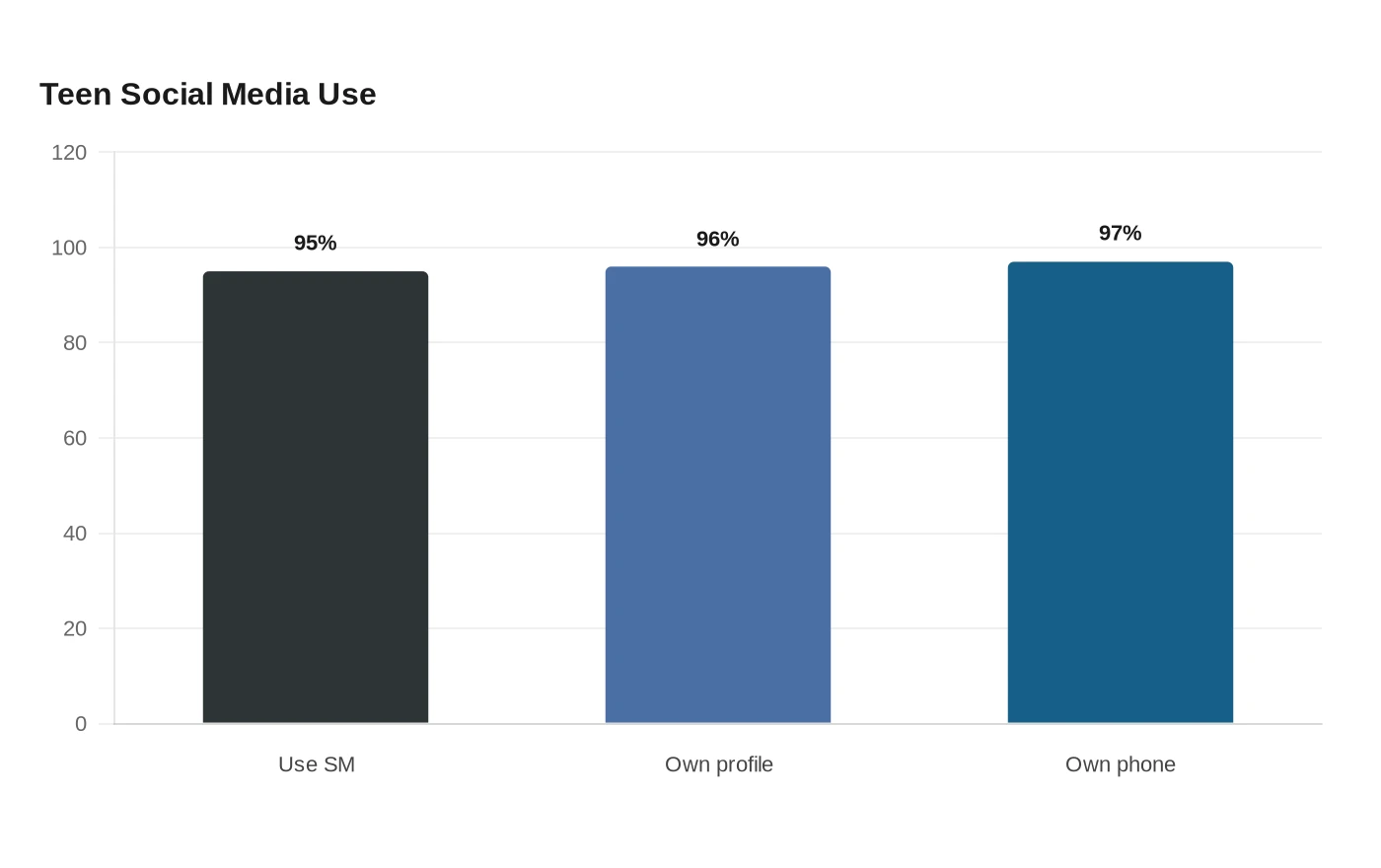
Britain is edging toward a youth social media ban, and the evidence driving the debate is stark: Ofcom found that 95% of UK 13-to-15-year-olds use social media, 96% have their own profile and 97% own a mobile phone. The question now is not whether children are already online, but what level of restriction would actually make them safer.
The government’s consultation on children’s digital wellbeing opened on 2 March 2026 and closed on 26 May 2026, after Parliament moved toward forcing a decision. Part 3 of the Children’s Wellbeing and Schools Act 2026 will require ministers to impose some form of age or functionality restriction for children under 16, after peers in the House of Lords defeated proposals that would have created a full ban. The wider policy fight sits alongside the Online Safety Act 2023, which already gives platforms duties to protect users from illegal content and material harmful to children.
Australia has become the main precedent. Its Online Safety Amendment (Social Media Minimum Age) Bill 2024 passed on 29 November 2024, setting a minimum age of 16 for social media accounts and placing the duty on platforms to take reasonable steps to keep under-16s off them. The Australian government said the law was aimed at design features that encourage more screen time and exposure to harmful content, and warned that systemic breaches could bring fines of up to A$49.5 million. Implementation was expected to take at least 12 months after passage.
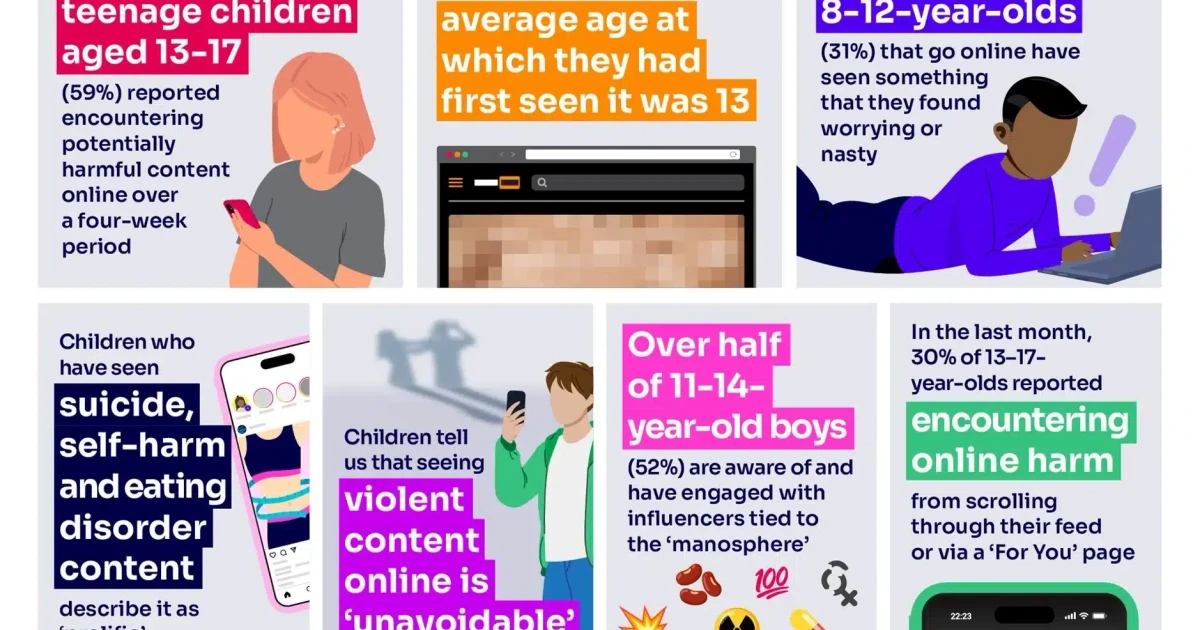
In London, Keir Starmer is preparing to announce restrictions on harmful platforms for under-16s while preserving access to some safer forms of social media. His move follows conversations with bereaved parents and a Downing Street meeting on 26 May 2026 that included the parents of Brianna Ghey and Sophie Parkinson, adding personal pressure to a policy already shaped by child-safety advocates. Dame Rachel de Souza, the Children’s Commissioner for England, has backed stronger action and said children report seeing inappropriate, harmful and extreme content online, often without seeking it out.
The central tradeoff is clear. Supporters say limits could reduce exposure to damaging material and curb addictive design. Critics warn that age checks alone may not solve the deeper problem and could push children toward less regulated spaces. Ofcom’s 2026 parent survey suggests public caution is strong, with 62% of parents of children from 6 months to 17 years saying they would not allow a social media profile before the minimum age, while 25% would and 12% were unsure. For Britain, the enforcement problem is now as important as the principle: any rule will have to balance child safety, parental control, privacy and the practical burden of proving a user’s age.
Sources
- [1]nytimes.com
- [2]commonslibrary.parliament.uk
- [3]gov.uk
- [4]childrenscommissioner.gov.uk
- [5]pm.gov.au
- [6]aph.gov.au
- [7]usnews.com
- [8]lbc.co.uk
- [9]ofcom.org.uk