World
Ukraine and Iran expose how Russia and the US misread weaker states
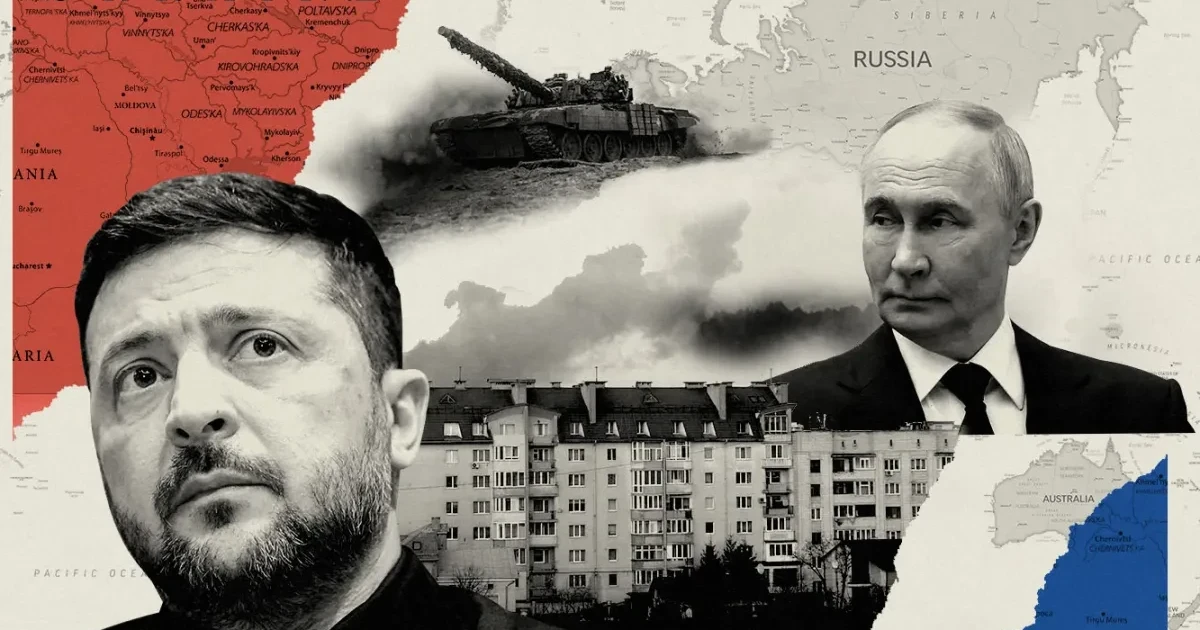
Russia and the United States both went into confrontations with a habit that has proved expensive: projecting centralized assumptions onto far more complex states. In Ukraine, Vladimir Putin misread the country’s politics and its capacity to fight back. In Iran, U.S. policymakers have faced the same warning in reverse, as decades of hostility and recent escalation have shown how quickly a regional crisis can outgrow Washington’s expectations.
Ukraine is the clearest example. Russia annexed Crimea in 2014, then launched its full-scale invasion on February 24, 2022, after Ukraine’s Maidan Revolution had already anchored a stronger push toward Europe and domestic reform. Scholars at the Davis Center at Harvard University have argued that Putin’s historical claims about Ukraine were false and that history itself was central to the war’s opening logic. The result has been the opposite of Moscow’s early expectations: a grinding conflict that exposed Russian misreading of Ukraine’s politics and battlefield resilience, while Ukraine has become increasingly viewed as one of Europe’s most capable military actors.
The war has also weakened Russia’s standing far beyond the front lines. NATO officials, including Mark Rutte, have said Iran has been one of the key supporters of the Russian war effort against Ukraine, tying the two conflicts together in a way that underlines Moscow’s growing dependence on outside help. Brookings warned on June 8, 2026, that failure to achieve quick victories in Ukraine and Iran has trapped both Russia and the United States in costly wars, damaging their credibility as military powers and their broader claims to leadership.
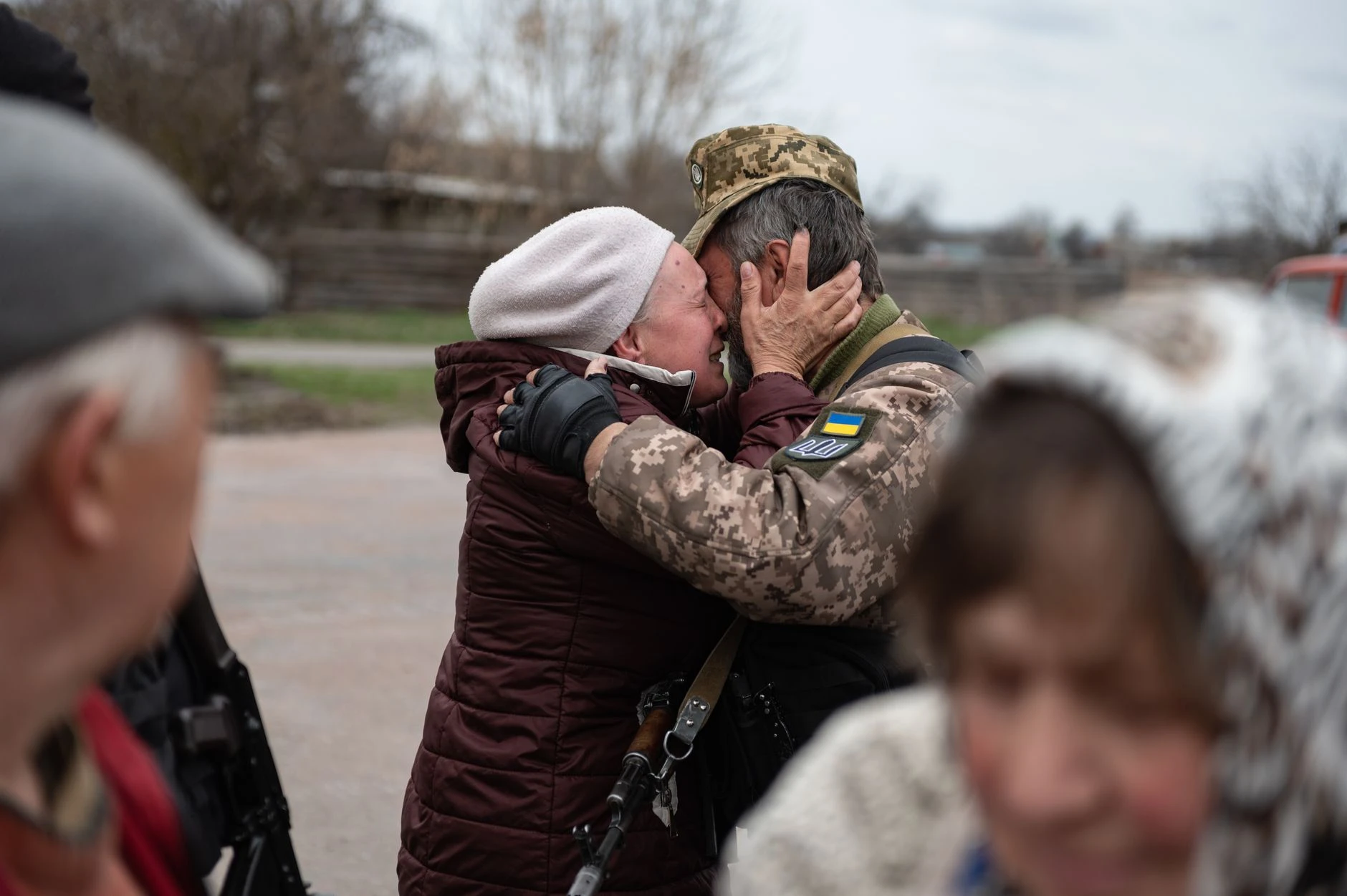
Iran presents the American version of the same strategic trap. U.S.-Iran relations have been volatile for more than 70 years, stretching back to the 1953 coup, the 1979 hostage crisis, and the sanctions and nuclear confrontations that followed. Omani-mediated negotiations began on April 12, 2025, with rounds in Muscat and Rome, a reminder that even diplomacy has had to move through third parties because direct trust is so thin. Recent fighting in 2026 has already produced retaliatory strikes and fresh fears of escalation, with international calls for restraint growing as the conflict widened.
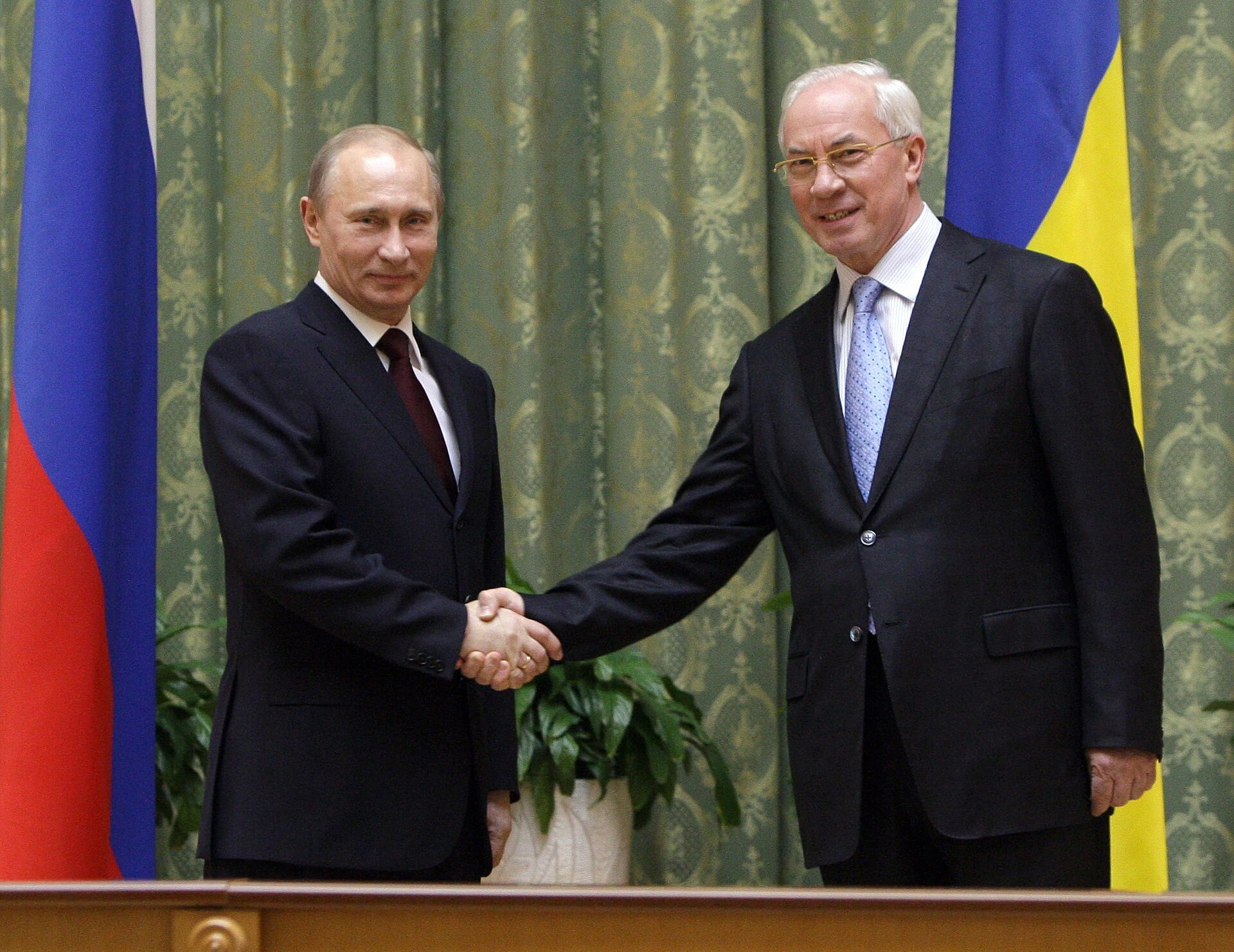
Taken together, Ukraine and Iran show the same national-security lesson from two directions. Great powers do not just lose wars by underestimating weapons or logistics. They lose when they misread identity, local politics, and state capacity, then discover that a short campaign can become a long strategic failure.
Sources
- [1]nytimes.com
- [2]brookings.edu
- [3]daviscenter.fas.harvard.edu
- [4]csis.org
- [5]britannica.com
- [6]dohainstitute.org
- [7]fpri.org
- [8]nato.int