World
Ukraine and nine nations launch European missile defense coalition

Ukraine and nine European countries launched a new ballistic missile defense coalition in Paris, creating a shared framework to blunt future missile attacks across Europe. The founding members are Denmark, France, Germany, Italy, the Netherlands, Norway, Spain, Sweden, Ukraine and the United Kingdom.
The Élysée Palace described the initiative as a “purely defensive” Anti-Ballistic Missile Coalition and said it is meant to build an integrated missile-defense architecture for Europe. The declaration says the effort will complement missile-defense systems already acquired, or still to be acquired, by participating countries, rather than replace them.
The coalition goes beyond a political statement. Its members said they will establish common operational requirements, joint technical working groups, governance mechanisms and a roadmap to first operational capabilities. The declaration also leaves the door open to other nations that share the coalition’s principles and objectives, a sign that Paris wants the project to expand into a wider European framework.
The launch came alongside broader talks in Paris involving the Coalition of the Willing, where Ukraine’s partners also discussed support for Kyiv, sanctions pressure on Russia and longer-term security guarantees. That wider meeting underscored how the missile-defense project fits into a larger effort to harden Europe’s eastern flank and reduce dependence on ad hoc wartime deliveries.
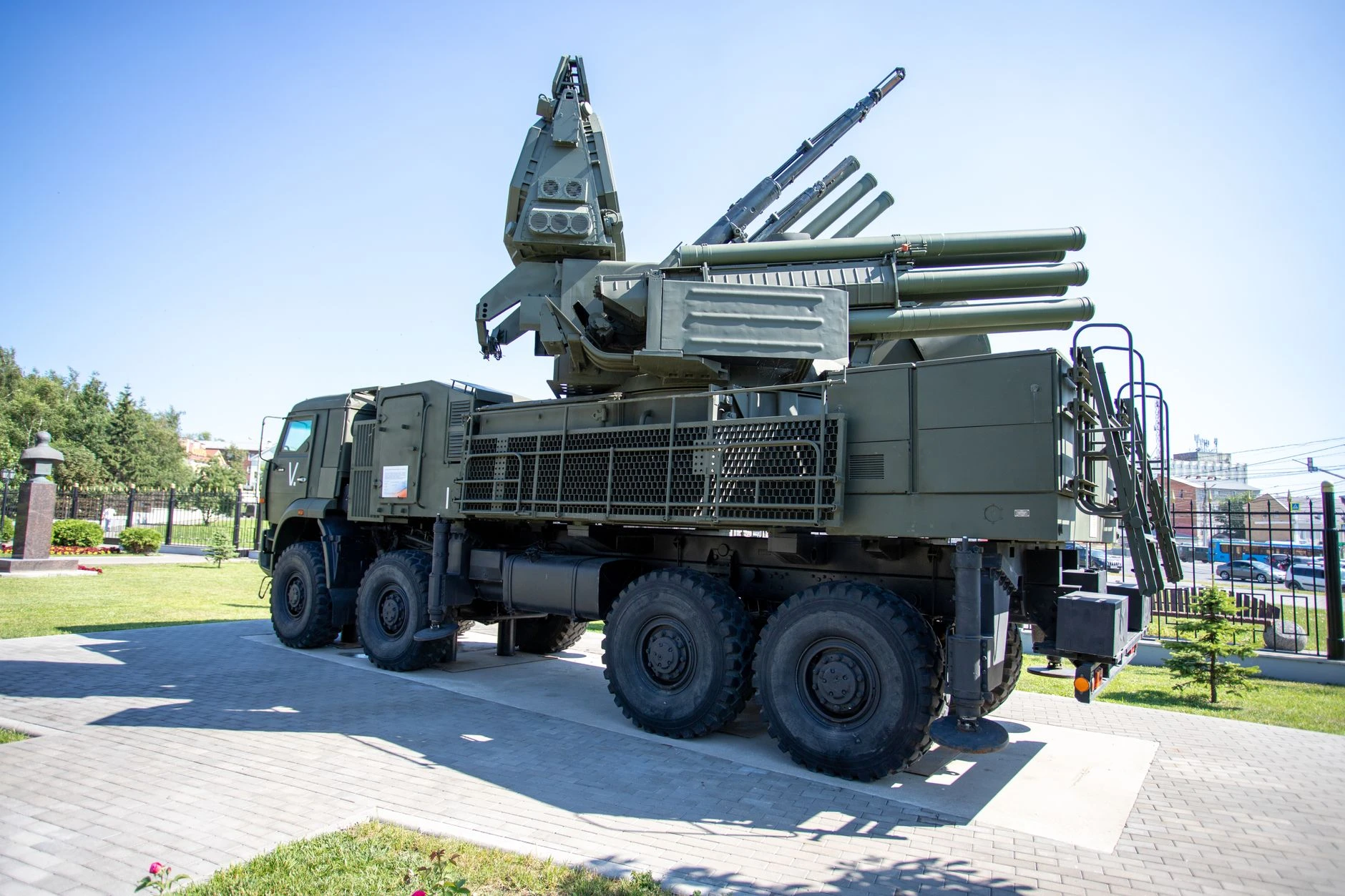
Volodymyr Zelenskyy pushed that argument directly in a July 7 address to participants in the NATO Defense Industry Forum, saying Europe urgently needs its own capability to produce anti-ballistic systems and the missiles they require. A June 7 joint statement by France, the United Kingdom, Germany and Ukraine had already called for scaling up interceptor production and co-developing anti-ballistic and deep-strike capabilities, drawing on Ukraine’s battlefield experience against Russia’s full-scale invasion.
For NATO, the coalition points to a more integrated air and missile defense posture, one shaped by European industrial cooperation as much as by military planning. For non-NATO partners, it offers a mechanism to align procurement, doctrine and production without waiting for a formal alliance expansion. And for Europe’s long-term deterrence strategy, the project marks a move from emergency air defense toward a permanent architecture built to detect, intercept and absorb the cost of Russian missile threats.
Sources
- [1]news.google.com
- [2]elysee.fr
- [3]president.gov.ua
- [4]apnews.com
- [5]nbcnews.com