Health
Ukraine builds bomb-proof maternity wards amid war strain
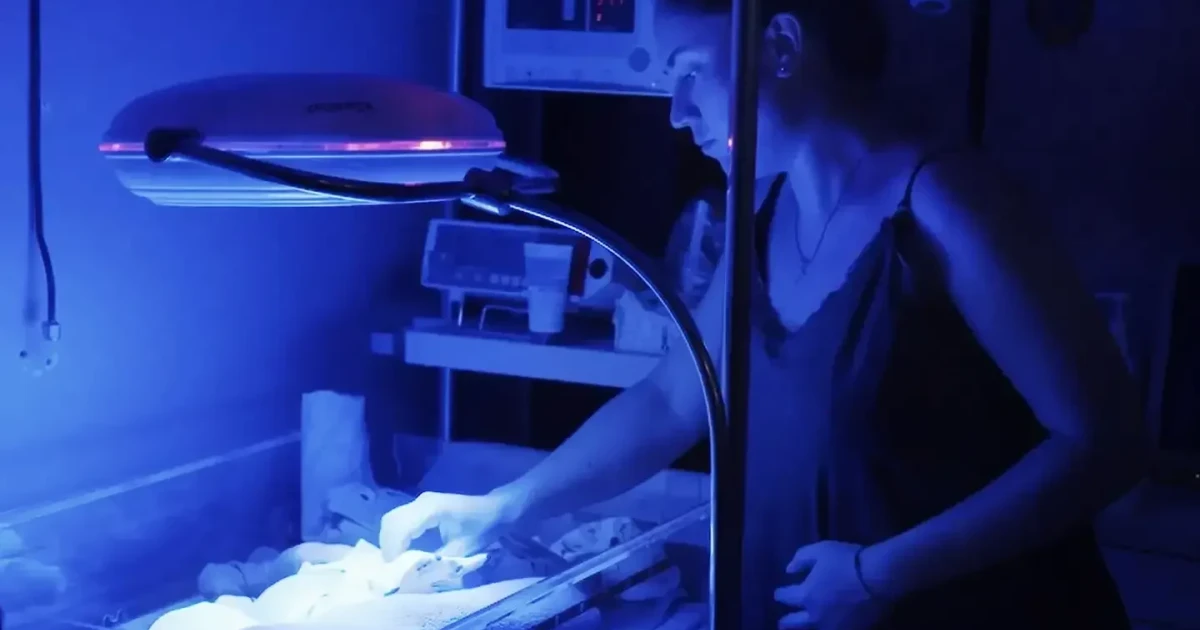
The underground ward at the Kherson City Perinatal Centre recorded 118 deliveries in 2024 and 110 more by late 2025. Ukraine built its first underground maternity units in Kherson and Kharkiv as bombardment, blackouts and displacement pushed childbirth deeper into wartime danger. The specialist wards at the Kherson City Perinatal Centre and the Kharkiv Regional Perinatal Centre were designed to keep mothers and newborns safe even when shelling cuts power and ordinary hospital care is disrupted, more than two years after Russia’s full-scale invasion began on February 24, 2022. One woman said, “We must bring new life.”
At the Kherson centre, which was struck by shelling three times and sits about 1.5 kilometres from the frontline, doctors recorded a caesarean section rate of 46 per cent, far above the World Health Organization’s recommended maximum of 15 per cent. In frontline areas, premature birth rates are running at roughly double the national average.
UNFPA puts Ukraine’s maternal mortality at 18.9 deaths per 100,000 live births in 2023 and 25.9 in 2024, a 37 per cent increase. UNFPA counts Ukraine’s population as more than 10 million smaller than in 2014. UNICEF records a sharp decline in the country’s birth rate since 2021.
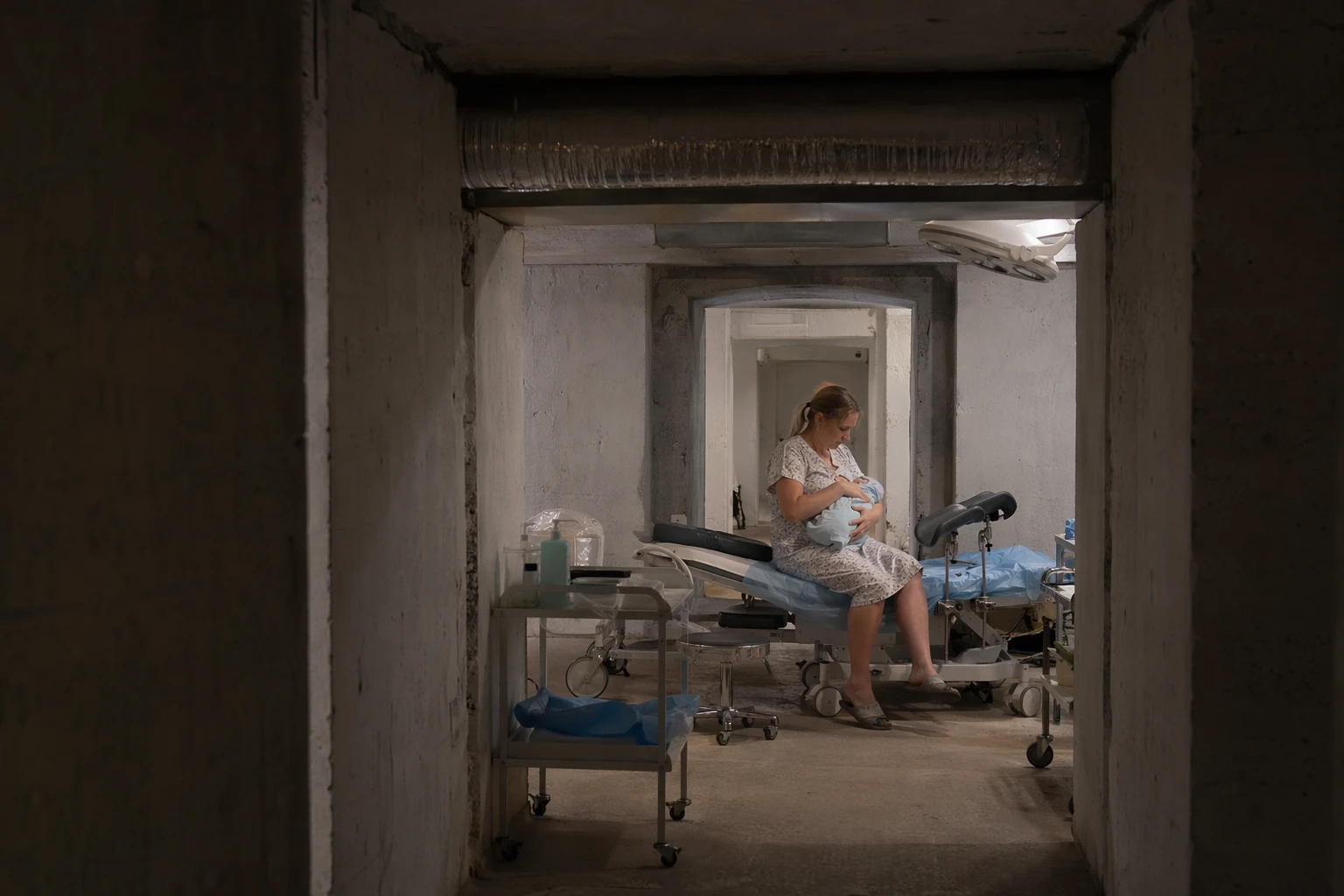
Stress, displacement and bombardment are driving complications, while shortages of medicines, staff and reliable electricity make routine care harder to deliver. UNFPA seeks $52 million to keep maternal health and protection services functioning across Ukraine in 2026, and health workers keep improvising in shelters, basements and repaired wards.
Sources
- [1]nytimes.com
- [2]unfpa.org
- [3]news.un.org
- [4]data.unicef.org