World
Ukraine deepens drone war on Russia to pressure Putin
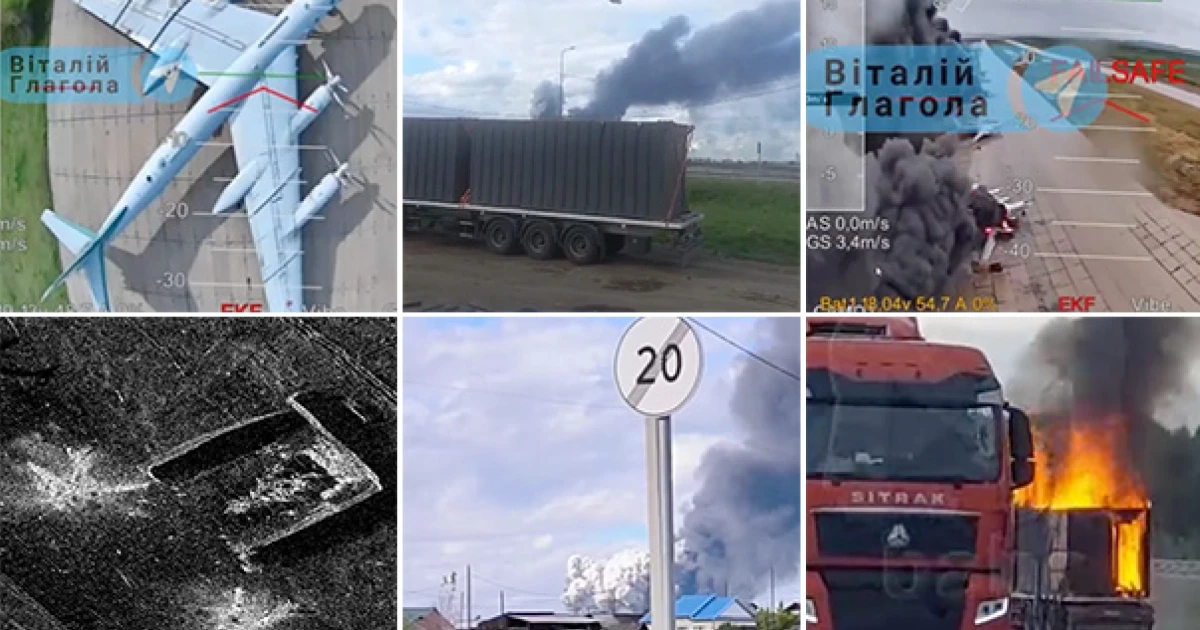
On June 1, 2025, Ukraine launched a deep strike inside Russia that Kyiv presented as a shock meant to land before peace talks in Istanbul. The broader strategy has pushed drones and sabotage-style strikes against air bases, refineries, weapons depots, and fuel infrastructure to make the war feel less distant inside Russia itself. The central question is still unresolved: whether pain inside Russia can force negotiations, or only widen the war’s footprint.
The logic behind the deep-strike campaign
Kyiv’s target set is not random. Oil refineries, military airfields, ammunition depots, and weapons plants feed Russia’s ability to keep fighting, while also carrying political weight because they sit far from the front line and are visible to ordinary Russians. In 2024, Ukraine hit dozens of those facilities across Russia, and by December 2024 Ukrainian military intelligence said its long-range UAVs could hypothetically operate up to 2,000 kilometers.
The rear area is now part of the battlefield. The campaign has moved from isolated raids to a sustained effort to stretch Russian defenses, complicate logistics, and create a sense that the Kremlin cannot fully shield its own territory. The aim is to make the costs of continuing the war harder for Putin to ignore.
Spiderweb showed how far Ukraine can reach
The clearest example is the June 1, 2025, “Spiderweb” operation. Ukraine’s Security Service said it used 117 drones smuggled into Russia and struck four air bases, including Belaya air base in Siberia, about 2,500 miles from Ukraine’s border. Volodymyr Zelenskyy said 40 Russian aircraft were hit, while the SBU estimated $7 billion in damage.
At the direct Ukraine-Russia talks in Istanbul, Ukraine sent Defense Minister Rustem Umerov and Russia sent Kremlin aide Vladimir Medinsky. The sequence underscored how little diplomatic momentum existed even before the delegations met, and how Kyiv was trying to use shock on Russian territory to strengthen its position at the table.
The immediate military effect was mixed but unmistakable. Analysts expected retaliation from Russia, and that is exactly the danger of this approach: each successful strike can force Moscow to answer with more attacks on Ukraine. At the same time, the operation delivered a public humiliation to Putin by showing that a large, coordinated drone assault could penetrate deep into Russian territory.
The fuel system is the pressure point
If the airfield strikes were about prestige and force protection, the refinery campaign has been about economics. By September 2025, analysts estimated that 15% to 20% of Russia’s fuel production was offline because of refinery strikes. That hit Moscow where war spending and civilian stability overlap, prompting an export ban and gasoline queues in provincial cities.
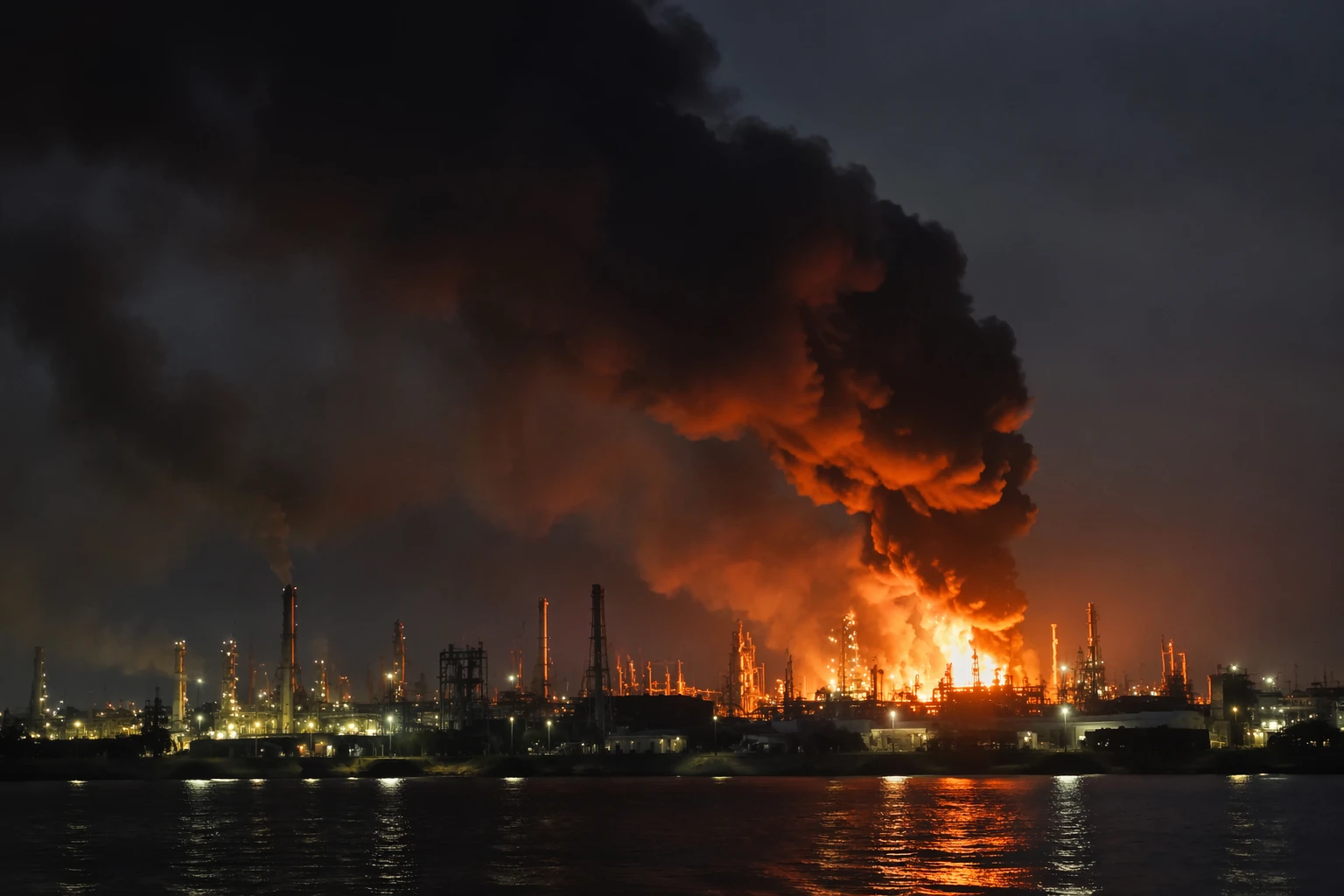
Fuel shortages are one of the few disruptions that can spread beyond the military sphere. When refineries stall, the effects can reach transport, regional commerce, and household routines, turning a distant war into a local inconvenience or hardship. European officials, including Katarína Mathernová, the EU’s ambassador to Ukraine, have argued that bringing the war to ordinary Russians is one of the few tactics that reliably gets a response from the Kremlin.
The economic strain is real, but it is not the same as political conversion. Export restrictions can stabilize domestic supply, at least temporarily, while also signaling that the Kremlin is willing to absorb damage rather than negotiate under pressure. The campaign’s objective is narrow: create enough friction that the costs of prolonging the war begin to outweigh the costs of talking.
Why the numbers are rising
By June 2026, Ukraine was launching an average of 200 to 300 drones each night against targets in Russian territory. The scale reflects both industrial adaptation and a change in strategy: the drone war is no longer occasional sabotage, but a rolling campaign meant to keep Russian air defenses under strain.
Ukraine’s Liutyi long-range kamikaze drones can carry up to 150 pounds of explosives and fly nearly 1,300 miles. The arsenal is designed to keep extending the reach of the war, not just to dramatic one-off targets but to a broad set of infrastructure that Russia depends on every day.
The Kremlin’s response has exposed the limits of deterrence by denial. Russian hardliners have urged Putin to escalate rather than negotiate in response to the deep strikes, which suggests the campaign can also harden the political mood in Moscow. If that dynamic dominates, the strikes may deepen the conflict without changing its endgame.
What pressure can and cannot do
The deep-strike strategy is built on a simple theory: if Russian losses become visible enough inside Russia, Putin will calculate differently. The evidence so far supports part of that theory. Ukrainian drones have hit symbolic military targets, degraded fuel infrastructure, and forced Moscow into defensive and economic responses. They have also demonstrated that Russia cannot fully insulate its rear areas from a determined campaign.
But the evidence for a negotiated breakthrough is thinner. The June 2025 Spiderweb operation landed before peace talks and still did not produce a diplomatic opening. Instead, it reinforced a familiar pattern: successful Ukrainian strikes bring retaliation risks, propaganda value for both sides, and immediate disruption, but not necessarily movement toward compromise.
Sources
- [1]nytimes.com
- [2]nbcnews.com
- [3]politico.com
- [4]politico.eu
- [5]cbsnews.com
- [6]kyivindependent.com