World
Ukraine expands drone strikes to Russia’s Wildberries warehouses
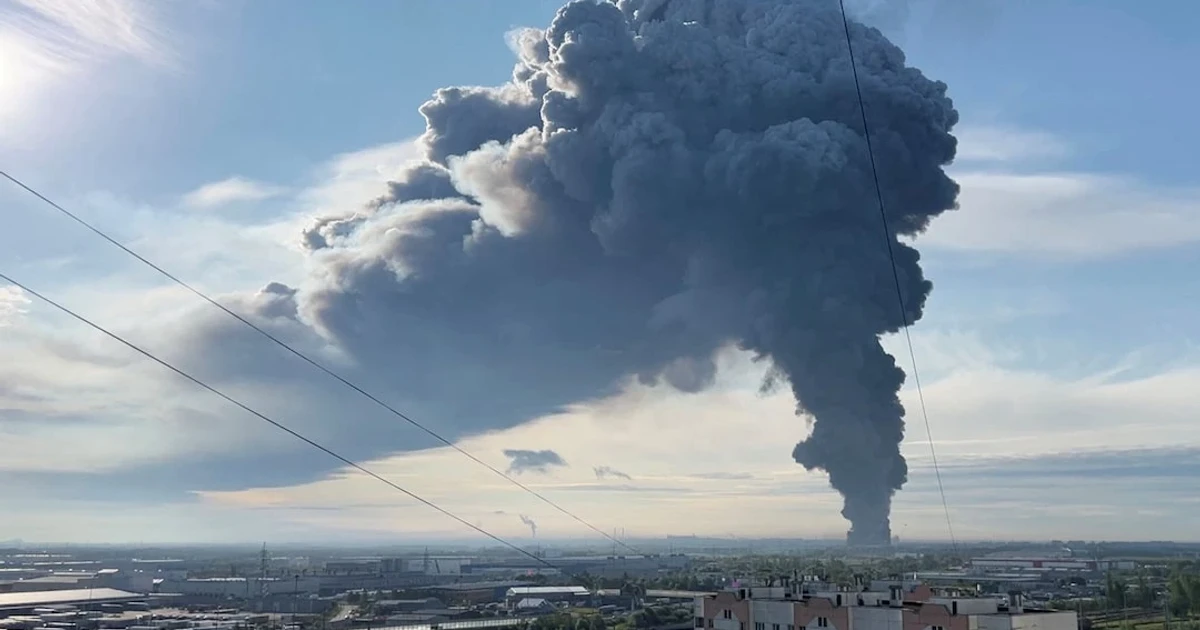
A drone attack set a Wildberries warehouse near St. Petersburg on fire on July 24, extending Ukraine’s strikes deeper into Russia’s consumer supply chain and into the warehouse network that keeps the country’s largest online marketplace moving.
Wildberries is Russia’s biggest online retailer, a platform often compared with Amazon, and it depends on centralized warehouses, sorting hubs, delivery fleets and payment systems to serve millions of shoppers and thousands of small merchants. Hitting that infrastructure reaches far beyond military targets. It disrupts delivery schedules, cuts into merchant revenue and can push up prices for ordinary goods.
The deadliest strike in the campaign hit two Wildberries warehouses on July 18. Seven workers were killed and 25 injured at a site in Tambov, about 295 miles southeast of Moscow, while one person died and 37 were injured at another warehouse in Elektrostal in the Moscow region. Volodymyr Zelensky described the sites as major logistics facilities used to support Russia’s war effort.
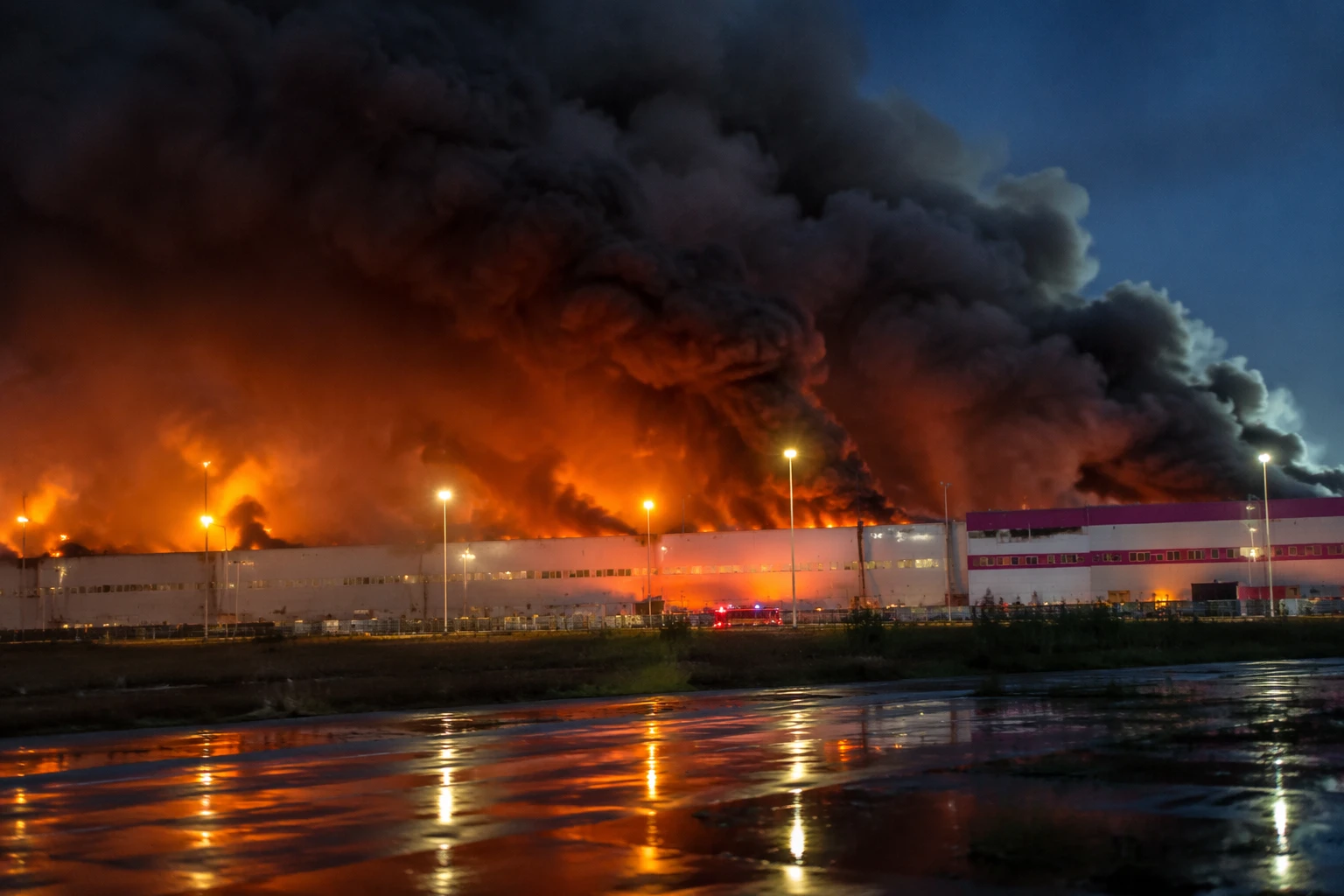
The attacks did not stop there. On July 21 and July 22, warehouses were hit again and several people were injured. By July 23, one assessment said the strikes had hit Wildberries warehouses covering 552,000 square meters, or about 10% of the company’s logistics capacity. Another estimate said the damage could have sent potentially hundreds of millions of dollars in inventory up in flames.
The pattern is politically significant because it pushes the war into a part of Russian life that is usually insulated from the battlefield. Small and medium-sized businesses rely heavily on Wildberries because it gives them access to consumers across Russia and nearby markets without the cost of building their own distribution systems. When a warehouse goes offline, those sellers have few alternatives. The result can be lost sales, backlogs and pressure on household budgets.

Wildberries had already been drawn into turbulence before the drone campaign. In September 2024, a shooting at the company’s Moscow office killed two people and wounded seven in a dispute over its future, showing how central the company has become to Russia’s retail economy and to conflicts over who controls it.
For Kyiv, the strikes carry a clear message: distance from the front no longer guarantees safety for the infrastructure that underpins daily commerce. For Russian consumers and merchants, the war is arriving in the form of delayed parcels, damaged stock and a logistics network that now looks vulnerable.
Sources
- [1]apnews.com
- [2]reuters.com
- [3]bbc.com
- [4]cnn.com
- [5]meduza.io