World
Ukraine launches largest drone attack on Moscow, hitting oil refinery
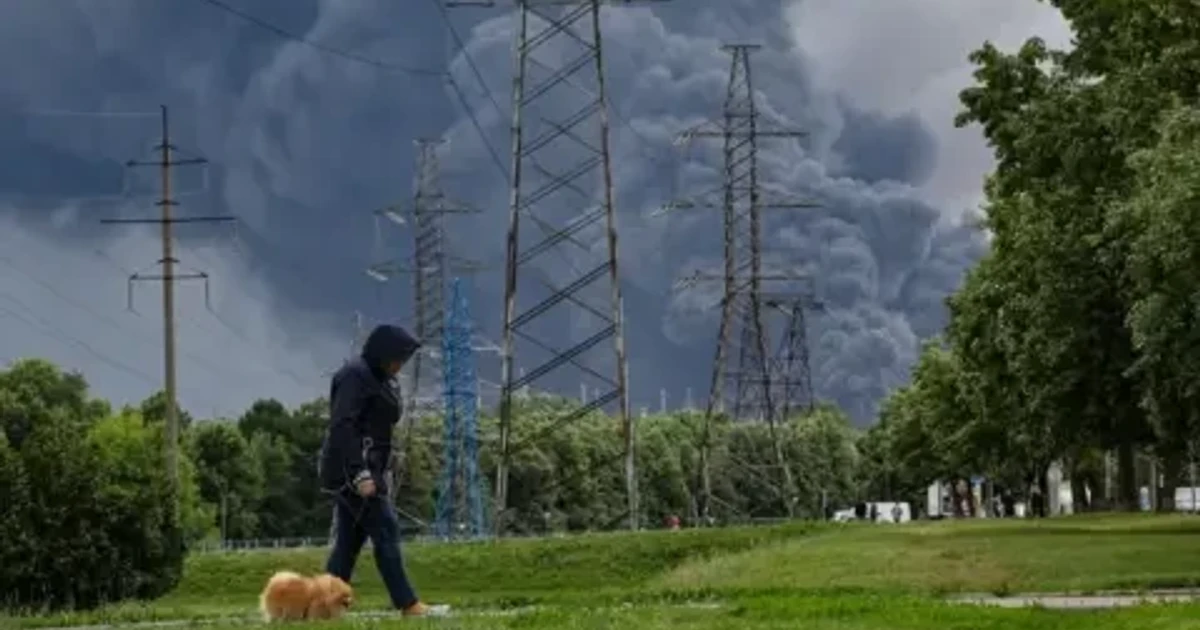
Ukraine pushed the war into Moscow’s energy core on Thursday, striking the Gazprom Neft-operated Moscow Oil Refinery in Kapotnya for a second time in a week. Russian authorities said about 194 drones were intercepted on approach to the capital, the largest drone attack on Moscow since Russia’s full-scale invasion began in 2022.
The refinery sits about 15 kilometres southeast of central Moscow and is one of Russia’s most important fuel-processing sites, as well as the largest supplier of fuel to the Moscow region. Fires were reported at the plant after the attack, and black smoke later blanketed parts of southern Moscow. For a Kremlin that has tried to preserve the image of normal life in the capital, the strike landed as a public reminder that Moscow is no longer insulated from the war.
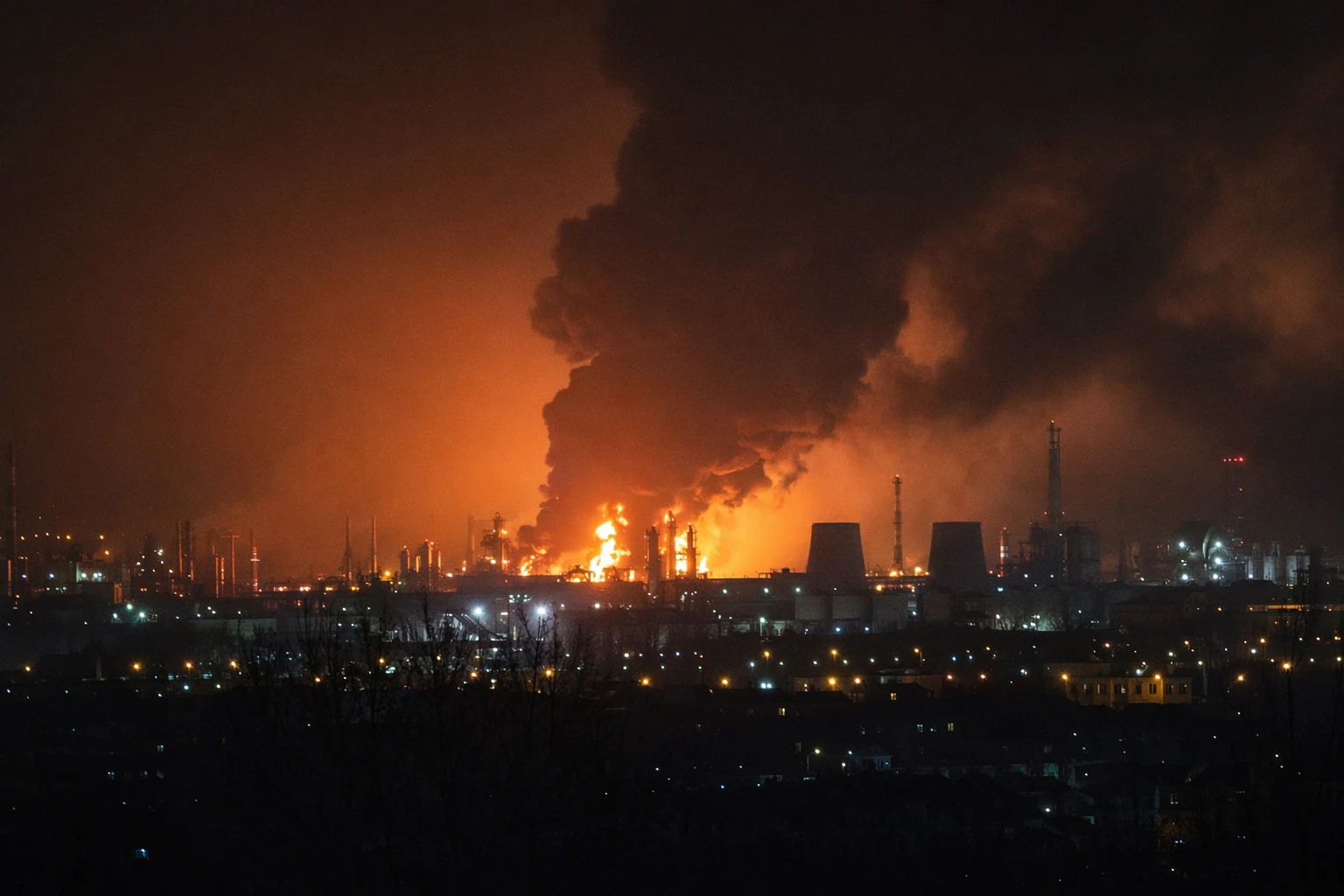
The timing sharpened the blow. Industry sources said a June 16 strike had already caused a fire at the same refinery and forced it to suspend operations. Ukraine’s General Staff said on June 19 that the latest attack damaged a combined oil processing unit and several storage tanks, and that refining had been suspended indefinitely. One report said a primary refining facility accounting for 53% of the plant’s capacity was damaged, underscoring how closely Ukraine has targeted the infrastructure that keeps Russia’s fuel system running.
The effects were not limited to the refinery itself. Local reports said 17 people were injured in the Moscow region, including two children. Major flight disruptions rippled through the capital’s airports, with widespread cancellations and delays affecting Aeroflot, Rossiya and traffic at Zhukovsky. The disruption mattered as much as the flames: Ukraine was not only degrading Russian infrastructure, it was also puncturing the sense of distance that Moscow has relied on to separate daily life from the battlefield.
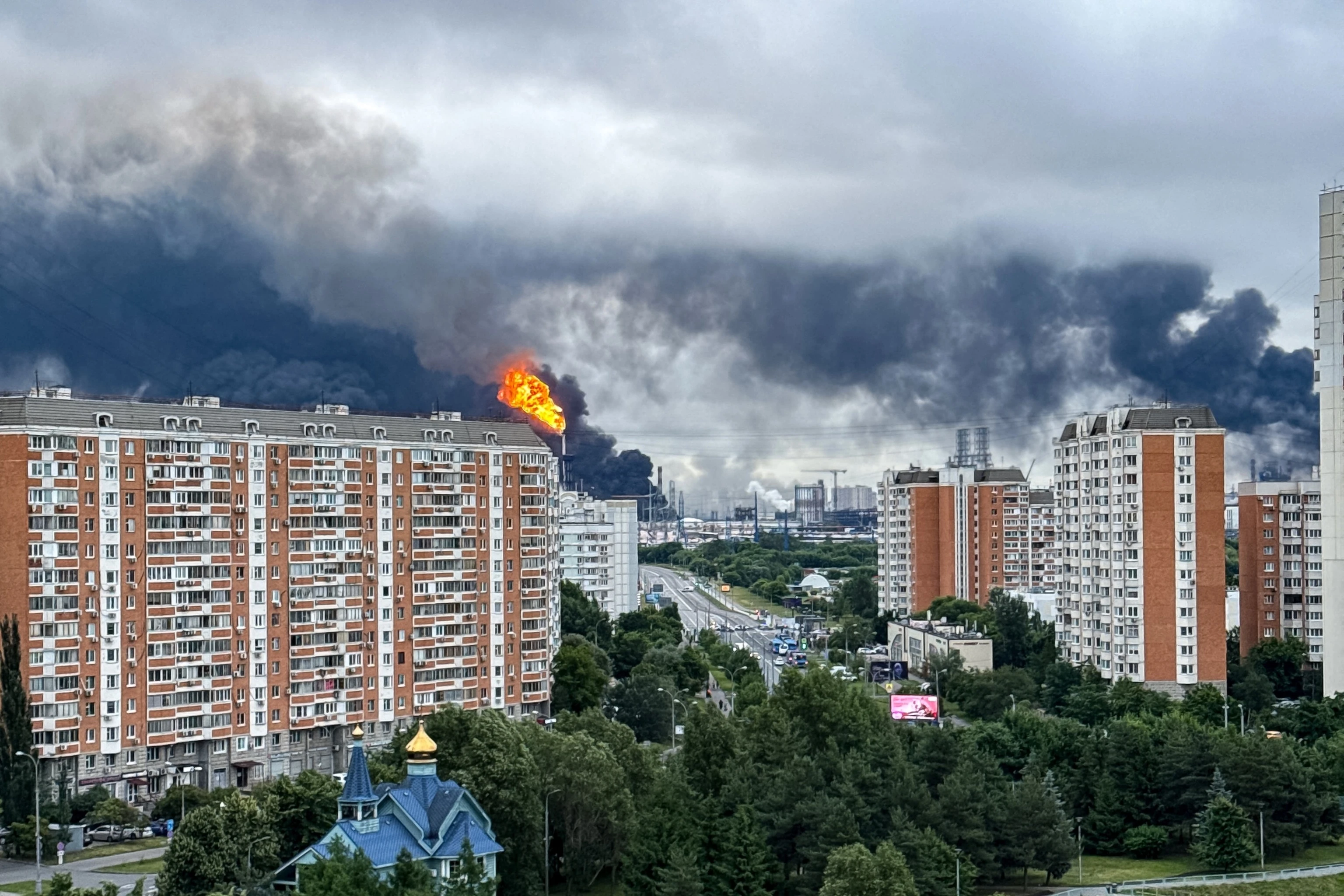
Volodymyr Zelensky framed the attack as part of Ukraine’s growing long-range pressure on Moscow as it seeks to force the Kremlin toward a peace deal. After the strike, he said that unless Vladimir Putin stopped the war, “Moscow will burn.” The message was aimed well beyond the refinery fence line. By bringing damage to one of the capital region’s most critical energy assets, Ukraine showed it can threaten the system that keeps Moscow moving, even as the Kremlin insists the war remains far from home.
Sources
- [1]bbc.com
- [2]newsukraine.rbc.ua
- [3]cbsnews.com
- [4]kyivindependent.com
- [5]themoscowtimes.com
- [6]cbc.ca