World
Ukraine opens first EU membership talks as war continues
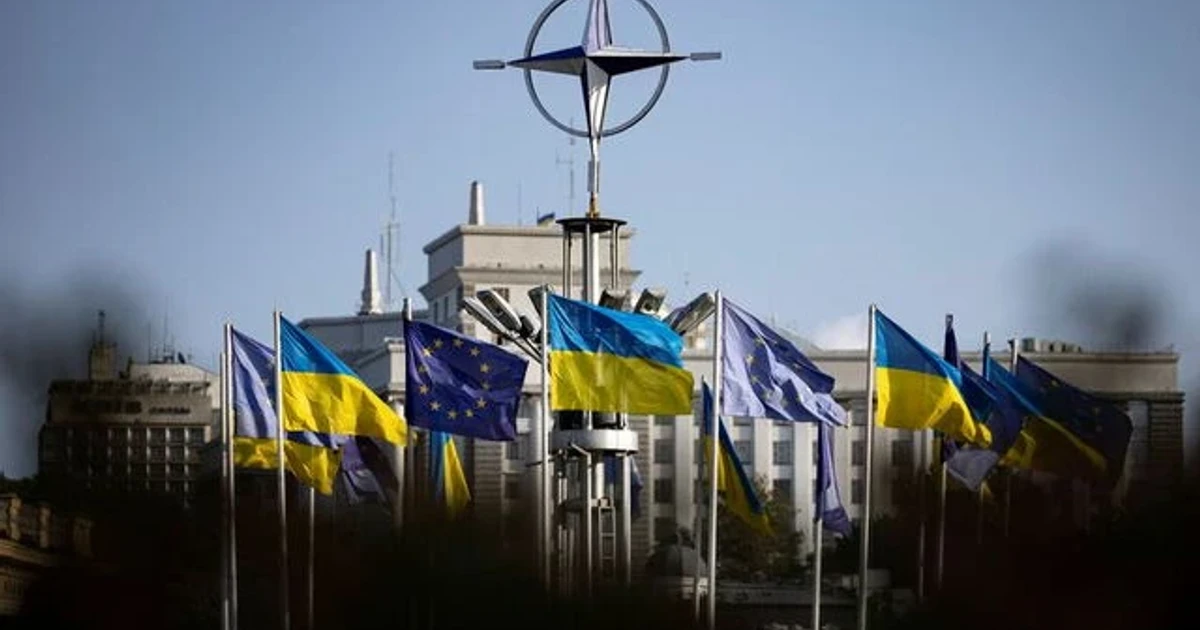
Ukraine took its most consequential step yet toward the European Union on Monday as officials opened the first phase of membership talks in Luxembourg, turning a wartime aspiration into a formal negotiating track. The move carried heavy symbolism for Kyiv: it confirmed that Russia’s invasion has not frozen Ukraine’s European future, even as the country continues to defend its territory and rebuild its institutions under fire.
The first cluster of talks, known as fundamentals, goes to the core of the state. It covers rule of law, fundamental rights, democratic institutions, public administration reform and economic criteria, areas that will require sustained legal and political change before Ukraine can move deeper into the accession process. Taras Kachka, Ukraine’s deputy prime minister, called the start of talks a “Rubicon” and “a milestone” as negotiations began.
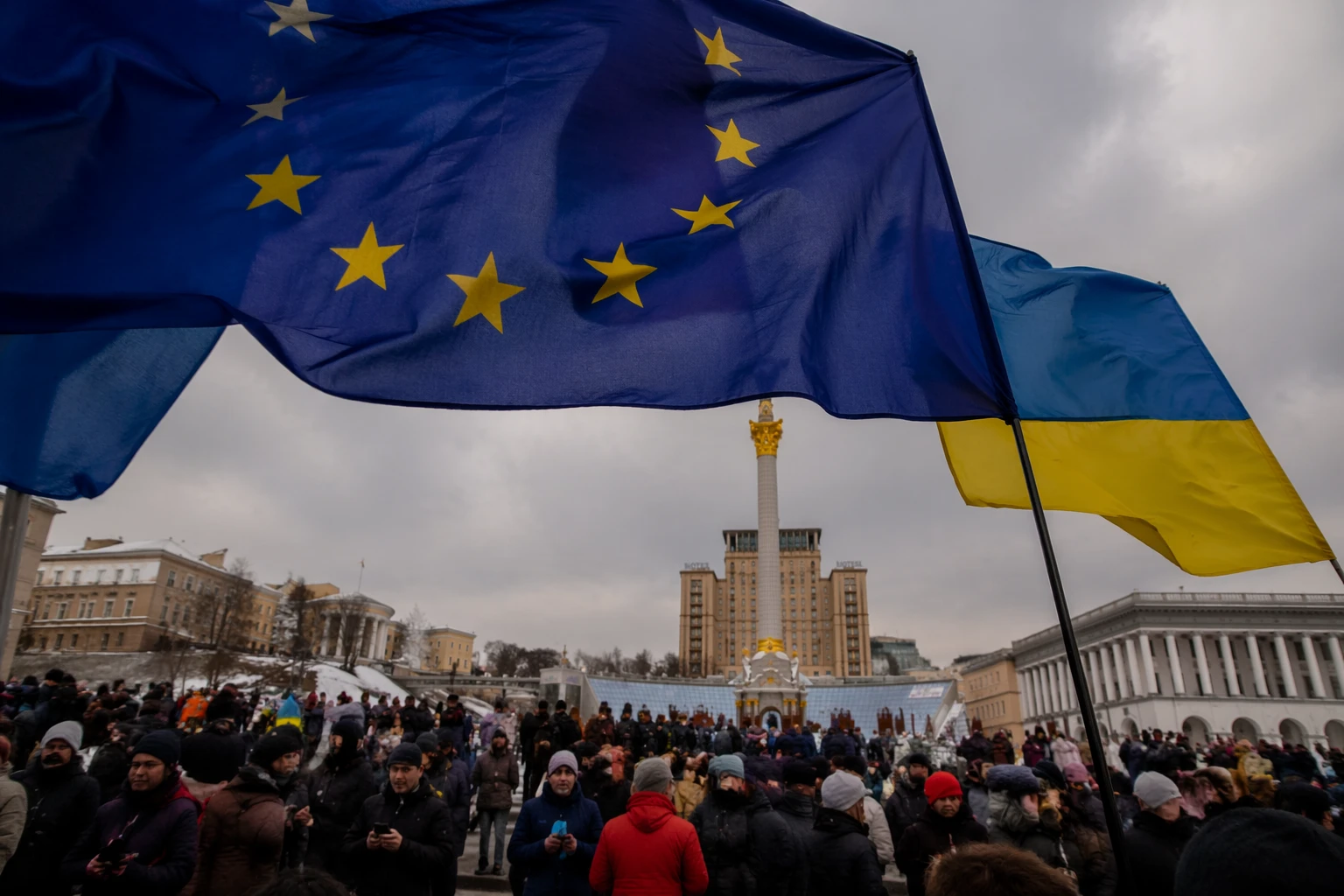
The opening in Luxembourg followed a long sequence of formal steps. Ukraine applied for EU membership on February 28, 2022, days after Russia’s full-scale invasion. The European Council granted candidate status on June 23, 2022, and EU leaders agreed in December 2023 to launch accession negotiations. Ukraine completed its screening process in September 2025, a technical review that cleared the way for the first cluster to open. The EU accession framework contains 33 chapters grouped into six clusters, and the fundamentals chapter is widely seen as the most politically sensitive because it tests the functioning of the state itself.
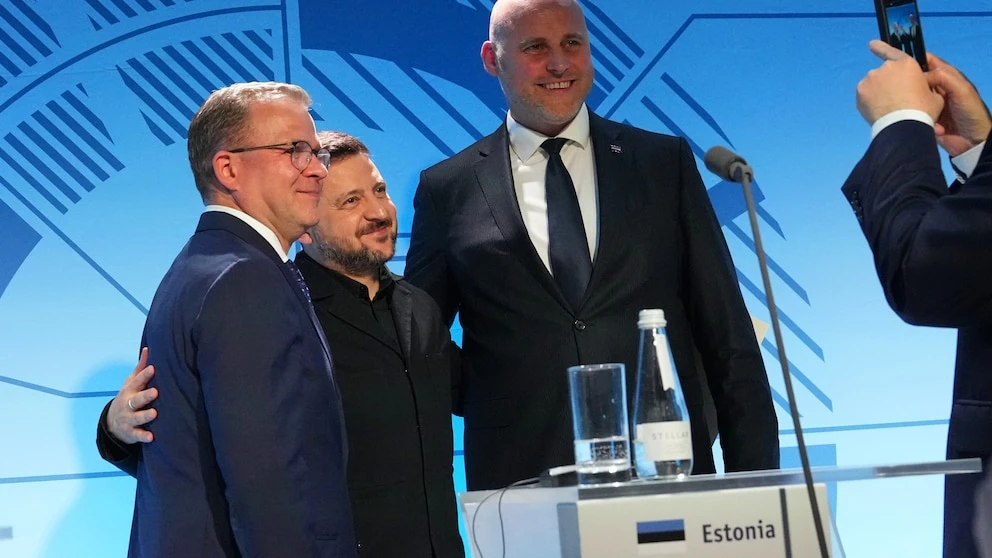
The breakthrough also reflected the end of months of internal EU resistance. Hungary had previously blocked progress, slowing the launch of negotiations until all 27 member states agreed to proceed. On June 12, Ursula von der Leyen and António Costa said all member states had backed opening the first cluster, and EU officials described the fundamentals track as the backbone of accession.
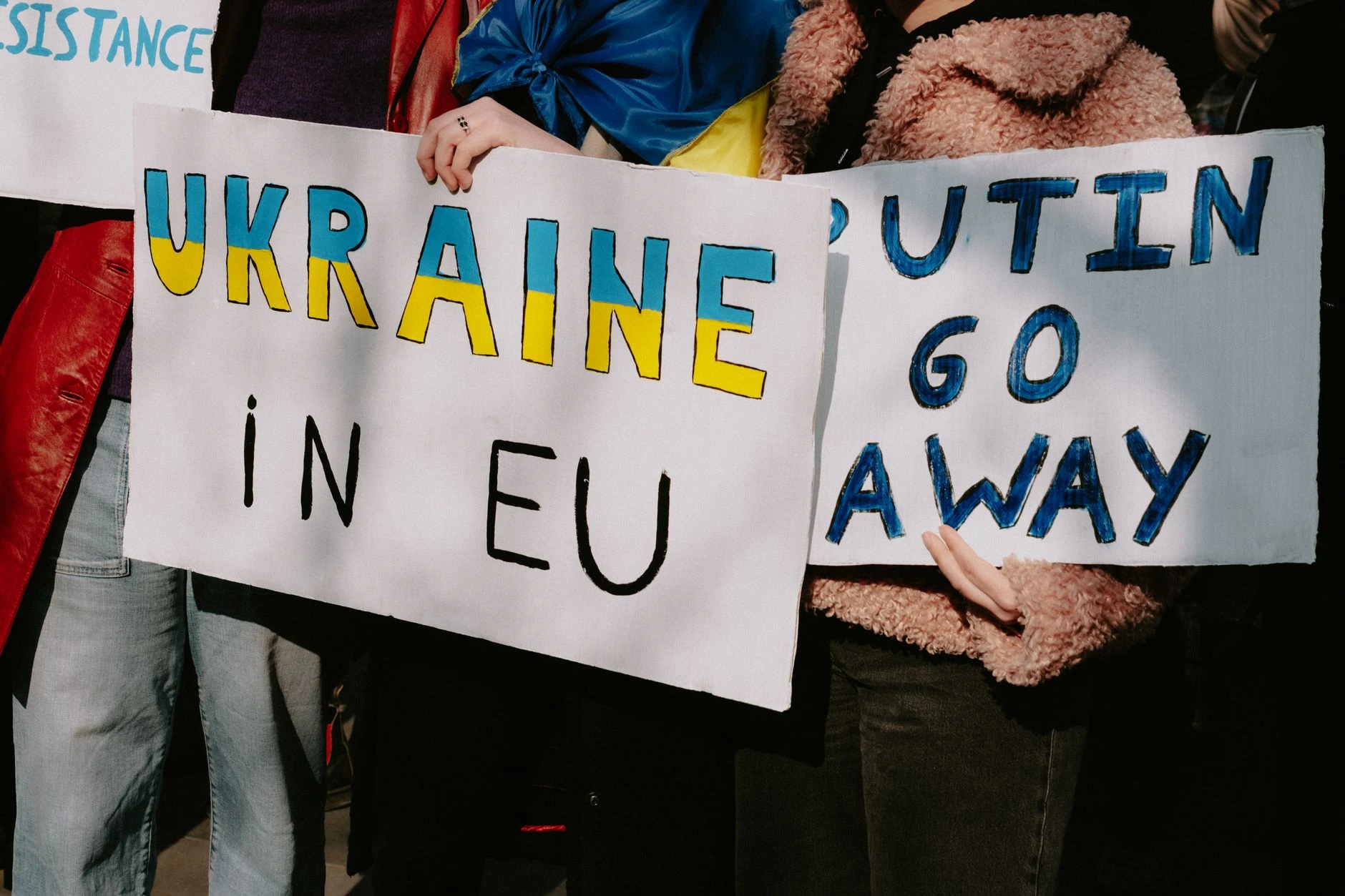
The political significance is clear, but the hardest work still lies ahead. Marta Kos, the EU enlargement commissioner, urged Kyiv to keep pushing ahead with reform, while Human Rights Watch said progress on rule of law and fundamental rights is essential to prevent wartime backsliding. For President Volodymyr Zelenskiy, the process is central to a broader strategy: binding Ukraine’s future to Europe not only as a symbol of defiance, but as a path to long-term security, reconstruction and institutional credibility.
Sources
- [1]usnews.com
- [2]consilium.europa.eu
- [3]enlargement.ec.europa.eu
- [4]hrw.org