World
Ukraine pleads for more Patriot interceptors as missile shortages grow
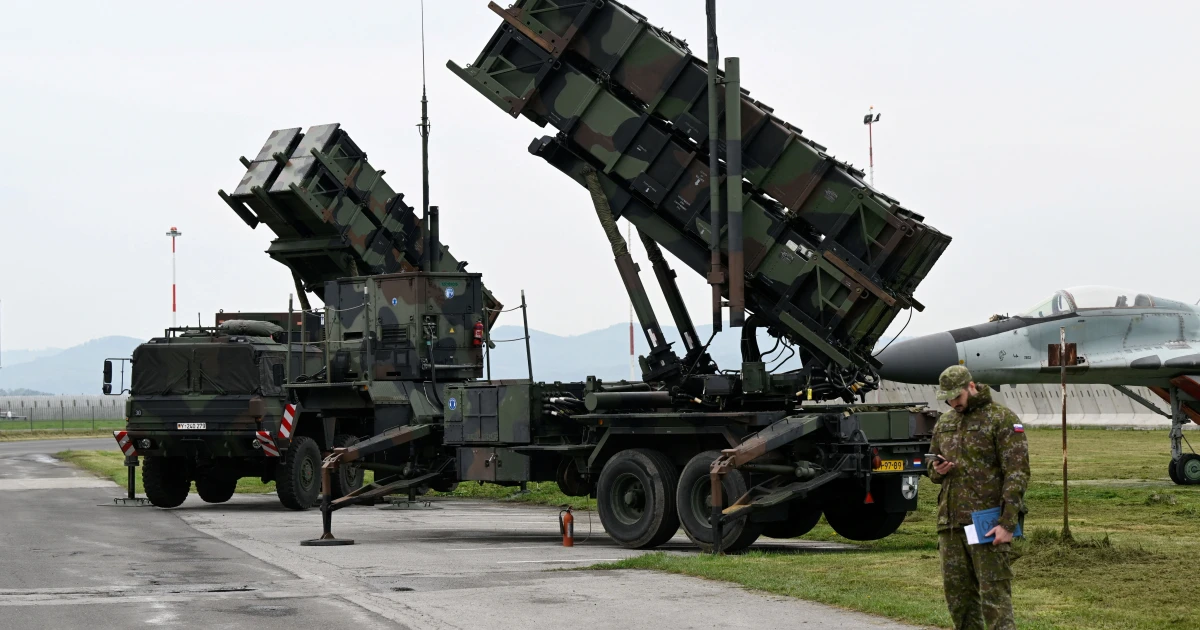
Ukraine is running short of American-made Patriot interceptors at the same moment Russia is sustaining a ballistic-missile campaign that Ukraine can least afford to absorb. The shortage matters because Patriot remains Ukraine’s main reliable defense against those strikes, and a U.S. Congressional Research Service report says it is the only operational U.S. air-defense system that can shoot down attacking missiles.
That asymmetry is reshaping the war on the ground. When interceptors are scarce, more missiles can reach power stations, water systems and civilian sites, deepening the damage from each Russian salvo and raising the pressure on Washington and European capitals to replenish stocks that are already thin. The system itself is expensive, the interceptors are limited in supply, and training plus deployment take time, which makes each decision about resupply politically and militarily consequential.
President Volodymyr Zelenskyy made that strain explicit on May 31, 2026, saying Ukraine had a “big deficit” of anti-ballistic missiles and warning that Russia was striking “energy infrastructure, water supply, schools.” His message followed months of escalating concern as Russian ballistic-missile attacks increased and U.S.-made PAC-3 interceptors became scarcer across the global market.
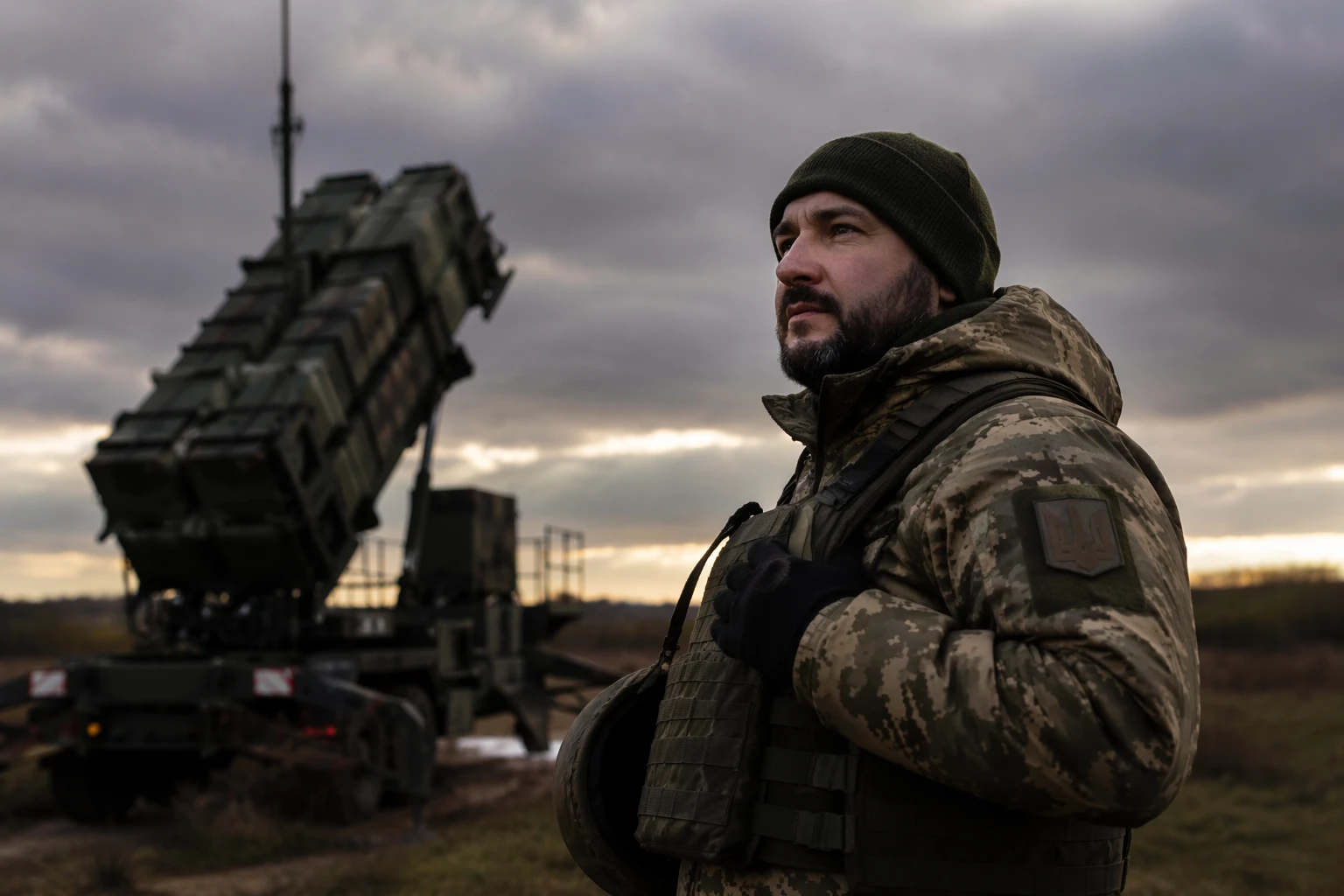
Ukraine first began receiving Patriot support after the United States announced on December 21, 2022, that it would provide a Patriot battery as part of a $1.85 billion security assistance package. Since then, Ukraine has received additional Patriot systems and interceptors, including batteries from the United States, Germany, Romania and a joint German-Dutch contribution. But recent reporting has underscored how the balance has shifted: enhanced Russian missiles are increasingly able to maneuver and alter trajectory, cutting into Patriot’s effectiveness against attacks that do not follow a classic ballistic path.
The scramble for alternatives is now widening. On April 15, 2026, RTX subsidiary Raytheon signed a $3.7 billion contract to supply Ukraine with PAC-2 GEM-T Patriot interceptors, funded by Germany, though the quantity and delivery timeline were not disclosed. Germany was also funding additional IRIS-T launchers for Kyiv. Around the same time, Ukraine was looking beyond foreign resupply, with officials and industry exploring a homegrown missile-defense approach and aiming for a domestic anti-ballistic system within a year.
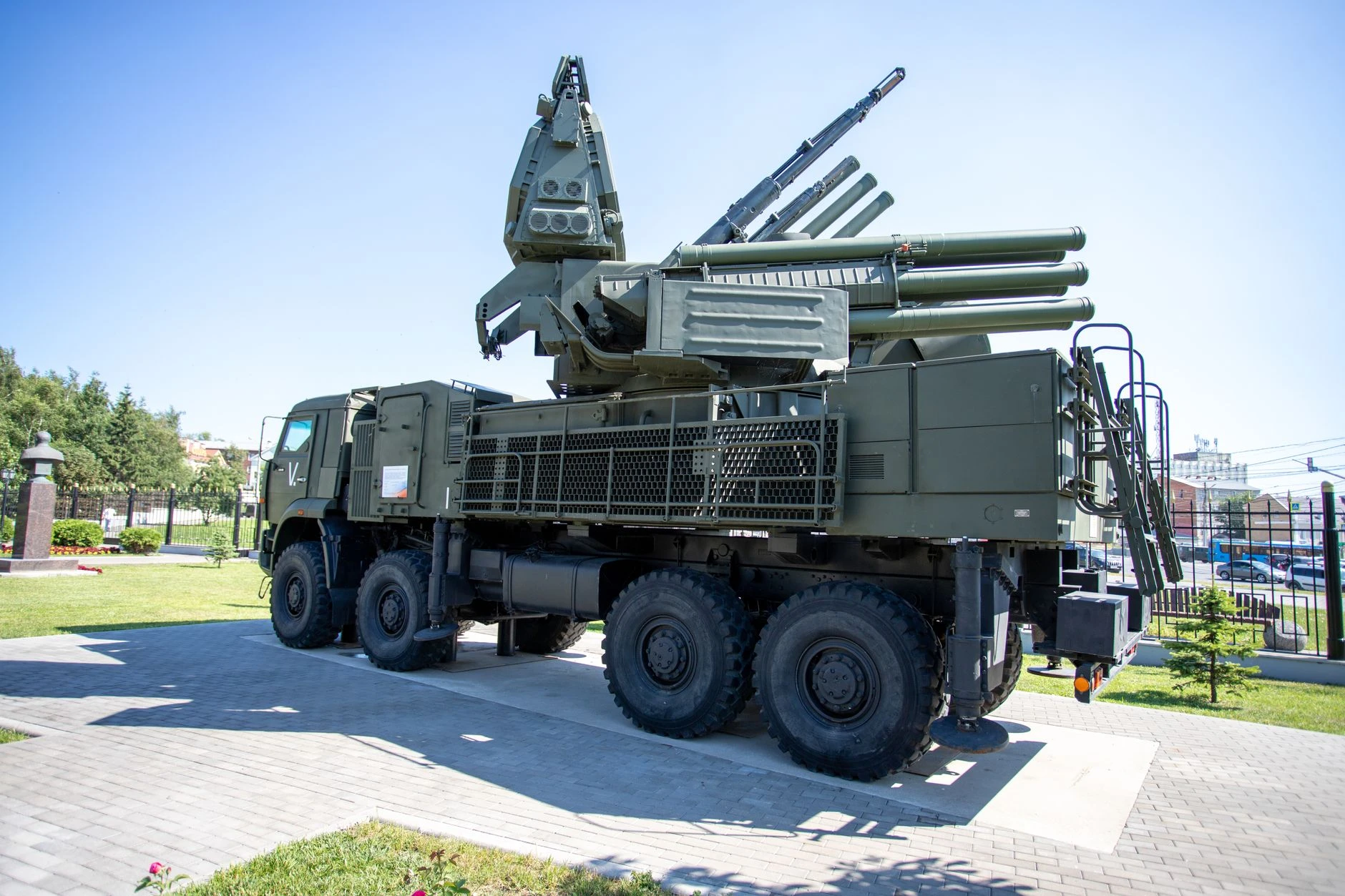
That effort reflects a larger problem: Russia can keep firing, but Ukraine’s best shield is still dependent on a Western industrial pipeline that is not keeping pace. As missile stocks tighten and interceptor production lags, the battlefield and the diplomacy around the war are being shaped by one hard fact: every shortage makes the next Russian strike more dangerous.
Sources
- [1]nytimes.com
- [2]congress.gov
- [3]politico.com
- [4]politico.eu
- [5]breakingdefense.com
- [6]twz.com