World
Ukraine races to deploy AI drones against Russian jamming
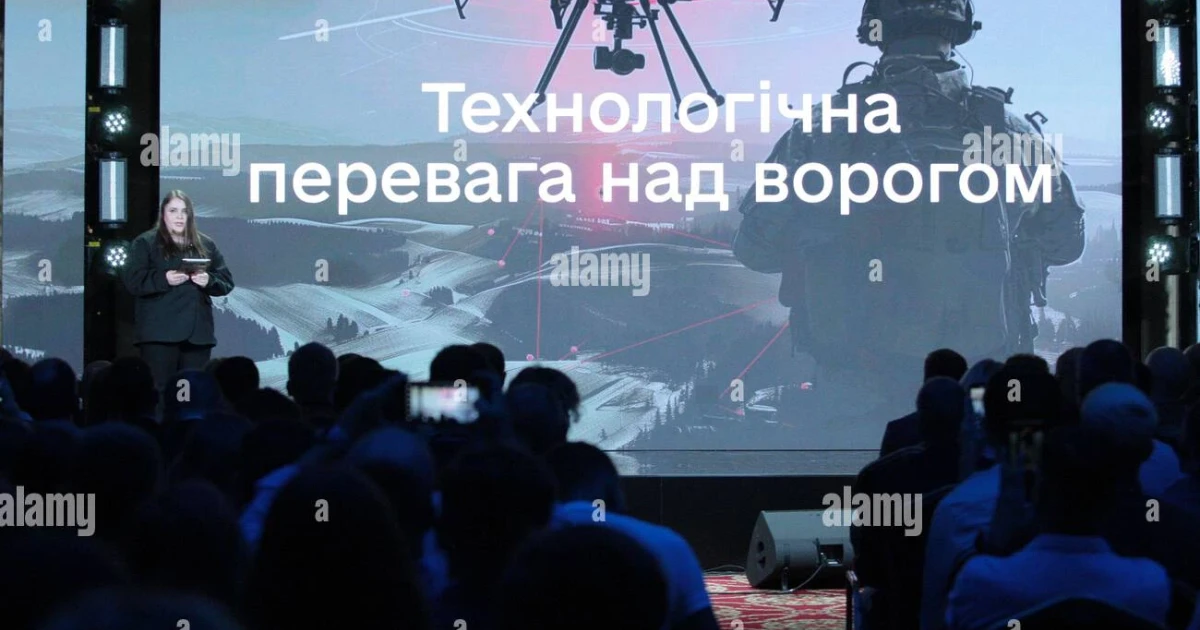
Inside a secret site in central Ukraine, the air war has become a test of speed, software and cost. Engineers and soldiers are pushing AI-guided drones into a fight shaped by Russian electronic jamming, while Ukraine’s defence minister said interceptor systems shot down more than 33,000 Russian drones in March 2026, a monthly record.
The shift began as Russia’s full-scale invasion dragged into a technology race. In October 2024, Kateryna Chernohorenko, Ukraine’s deputy defence minister, said there were already “several dozen” domestically made AI-augmented drone solutions on the market. Those systems were being purchased and delivered to the armed forces and other defence forces, and used in a targeted way in special operations. Their purpose was practical: help cheap explosive drones spot or fly to targets in areas protected by heavy Russian signal jamming, where manually piloted drones had become far less effective.
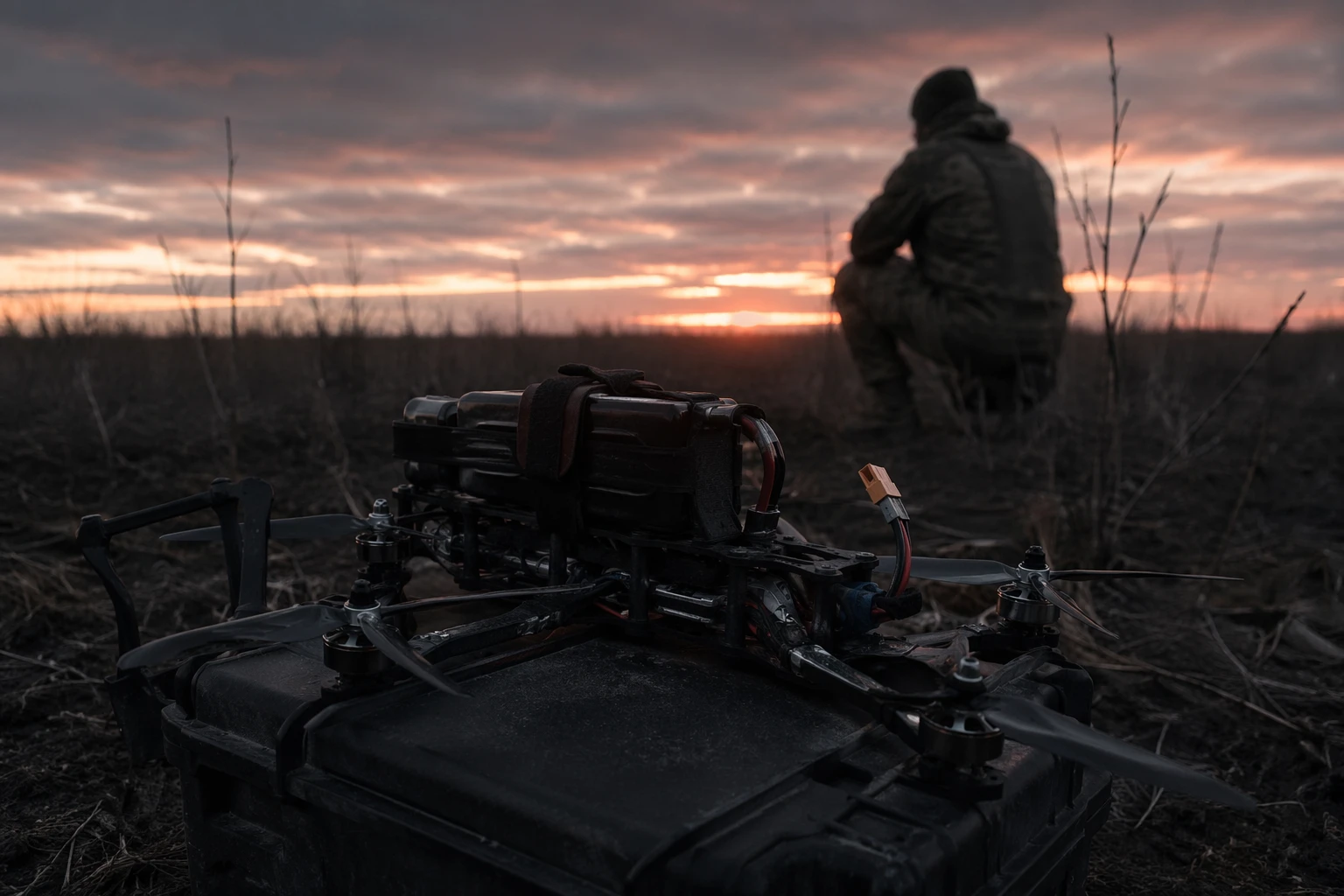
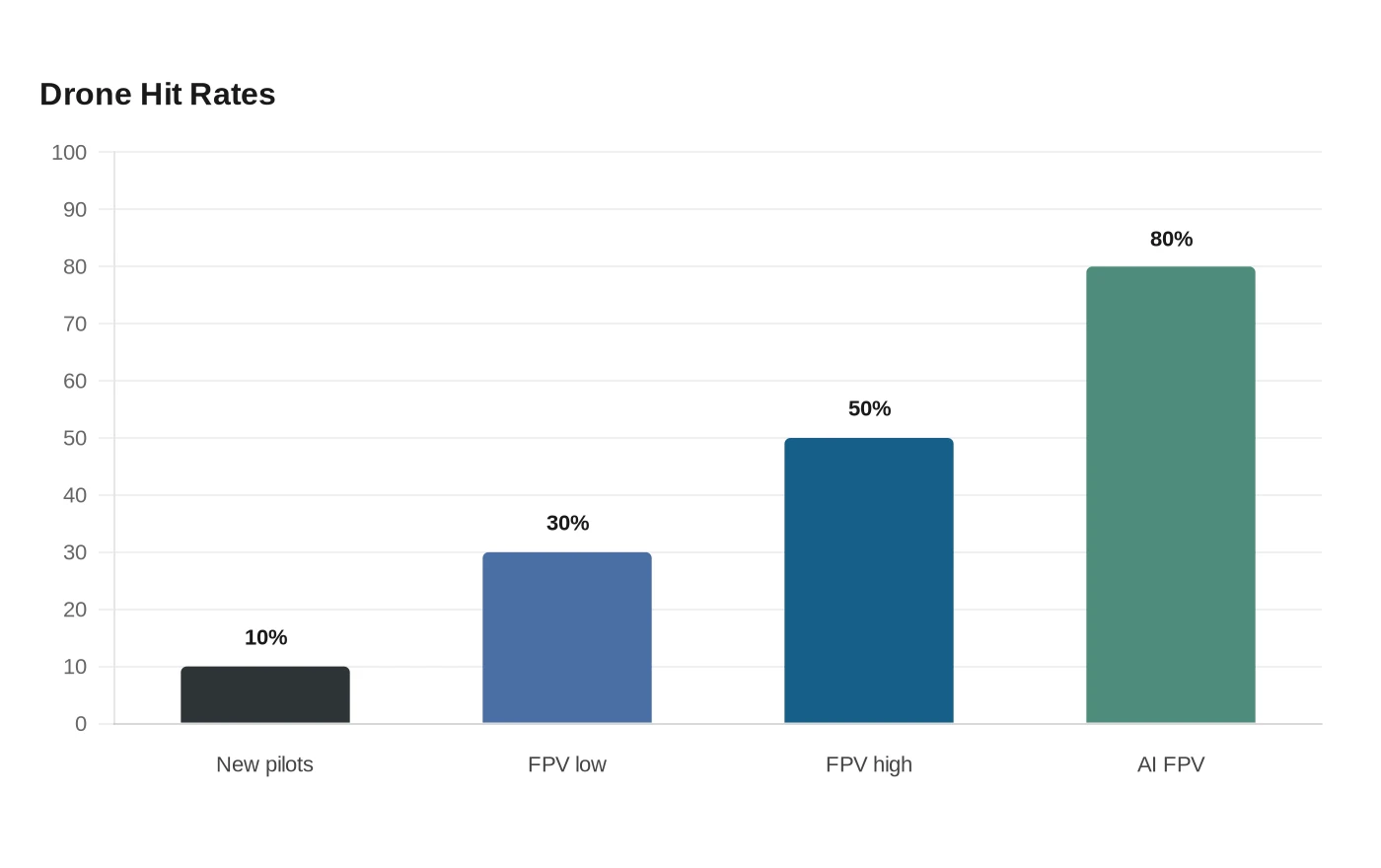
The numbers show why Ukraine is betting on autonomy. A Ukrainian official said in July 2024 that many FPV strike units were hitting targets only about 30% to 50% of the time, while new pilots could be as low as 10%. The same official said AI-operated FPV drones could raise hit rates to around 80%. That gap has turned autonomy into more than a battlefield upgrade. It is a way to make each sortie count when both drones and defenders are being burned through at a furious pace.
By June 2, 2025, the Institute for the Study of War said neither Russia nor Ukraine had yet leveraged AI or machine-learning drones at scale, even as both sides raced to build them. It said new variants were already adding machine-learning functions such as GPS-denied navigation, image and pattern recognition, homing and target locking. The group said those capabilities could reduce reliance on human operators, bypass electronic warfare and speed up decision-making.
A CSIS report in March 2025 described Ukraine’s push as an effort to use battlefield data to improve drone performance, while warning that human oversight remained important. By June 2026, reporting described Ukrainian drones with autonomous targeting reaching Russian supply lines up to 150 kilometers behind the front, hitting fuel depots, ammunition dumps and command posts. The battlefield is teaching both sides the same lesson: the next air defense will not be measured only by missiles and radar, but by how fast software can turn combat data into a cheaper response.
Sources
- [1]nytimes.com
- [2]marketscreener.com
- [3]understandingwar.org
- [4]csis.org
- [5]bloomberg.com
- [6]military.com