World
Ukraine steps up Crimea strikes, testing Putin's prized stronghold
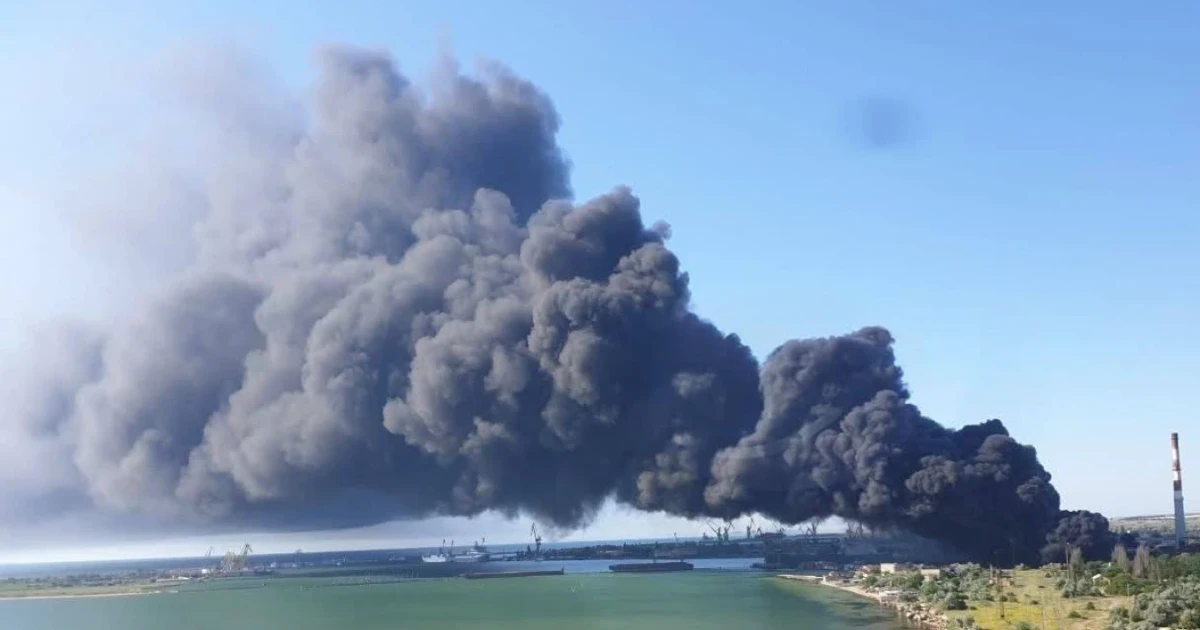
Ukraine intensified strikes on Crimea in 2026, hitting energy infrastructure, fuel supplies, air defenses and logistics routes across the occupied peninsula. In late June, Russian-installed authorities declared a state of emergency after shortages, power cuts and transport disruptions spread through territory Moscow has controlled since 2014.
Crimea sits at the center of the war for practical as well as political reasons. Russia annexed the peninsula in March 2014, a seizure not recognized by the United States, NATO or the United Nations. The territory hosts Sevastopol, long the main base of Russia’s Black Sea Fleet, and it helps anchor Moscow’s reach across the Black Sea and into southern Ukraine. The Kerch Strait Bridge, opened in 2018 and stretching about 19 kilometers, remains the only direct land link from Russia to occupied Crimea and a critical military supply route, which is why it has been repeatedly targeted.
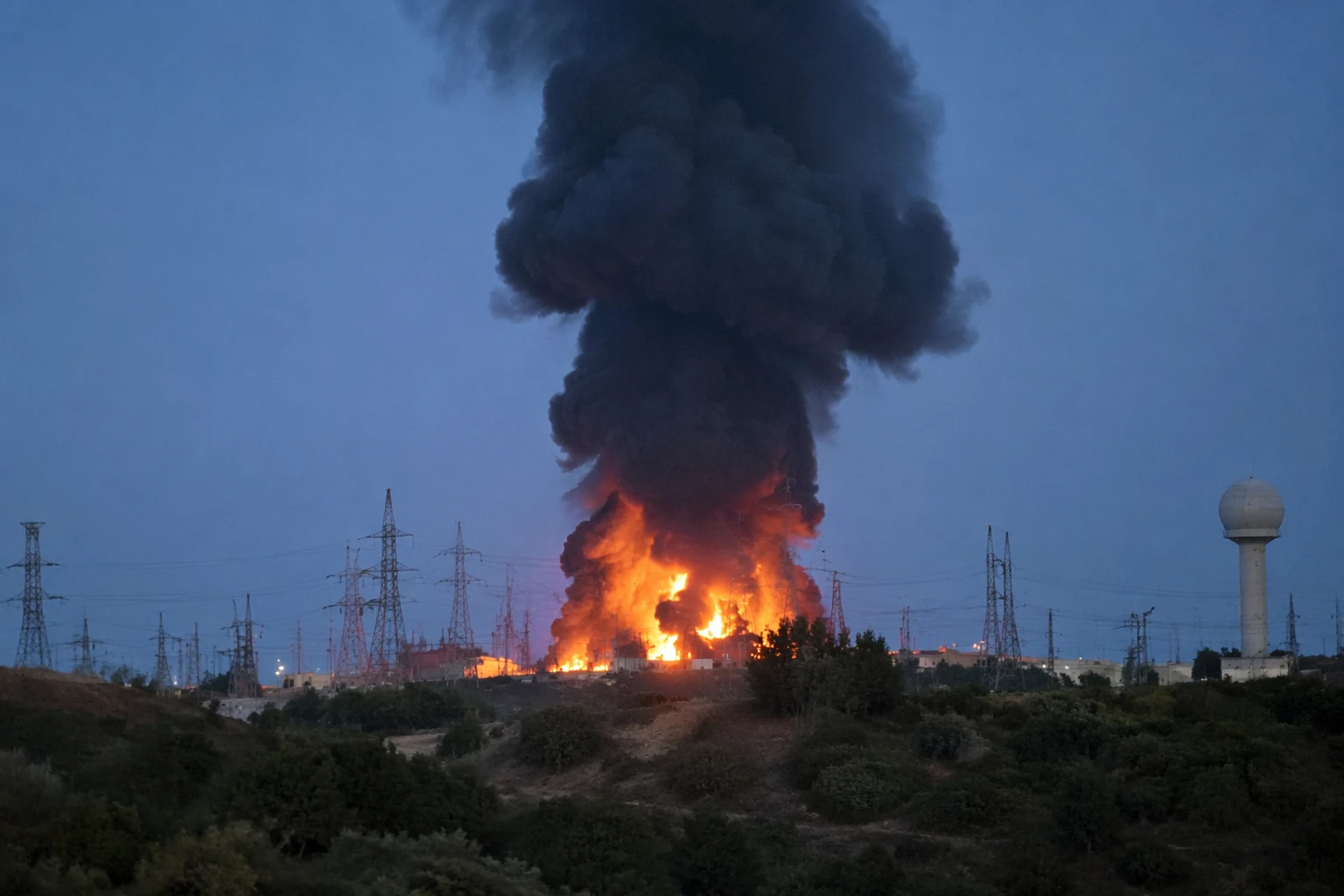
By 2024, Ukrainian attacks had already forced much of the Black Sea Fleet out of Sevastopol, weakening Crimea’s value as a military hub. The current campaign goes further, aiming to isolate Russian forces on the peninsula by cutting fuel, degrading air defenses and disrupting the supply chains that keep troops and equipment moving. The result has been visible in Crimea itself, where petrol stations have been shut and power cuts have rippled through the occupied territory.
The pressure carries a significance far beyond the battlefield map. Vladimir Putin cast the 2014 annexation as a historic restoration and one of his signature achievements, a symbol of restored Russian power. Now the same territory is becoming a demonstration of vulnerability: a place where Ukrainian drones and missiles can expose the limits of Kremlin control, strain military logistics and complicate the image of permanence Moscow has tried to project at home.
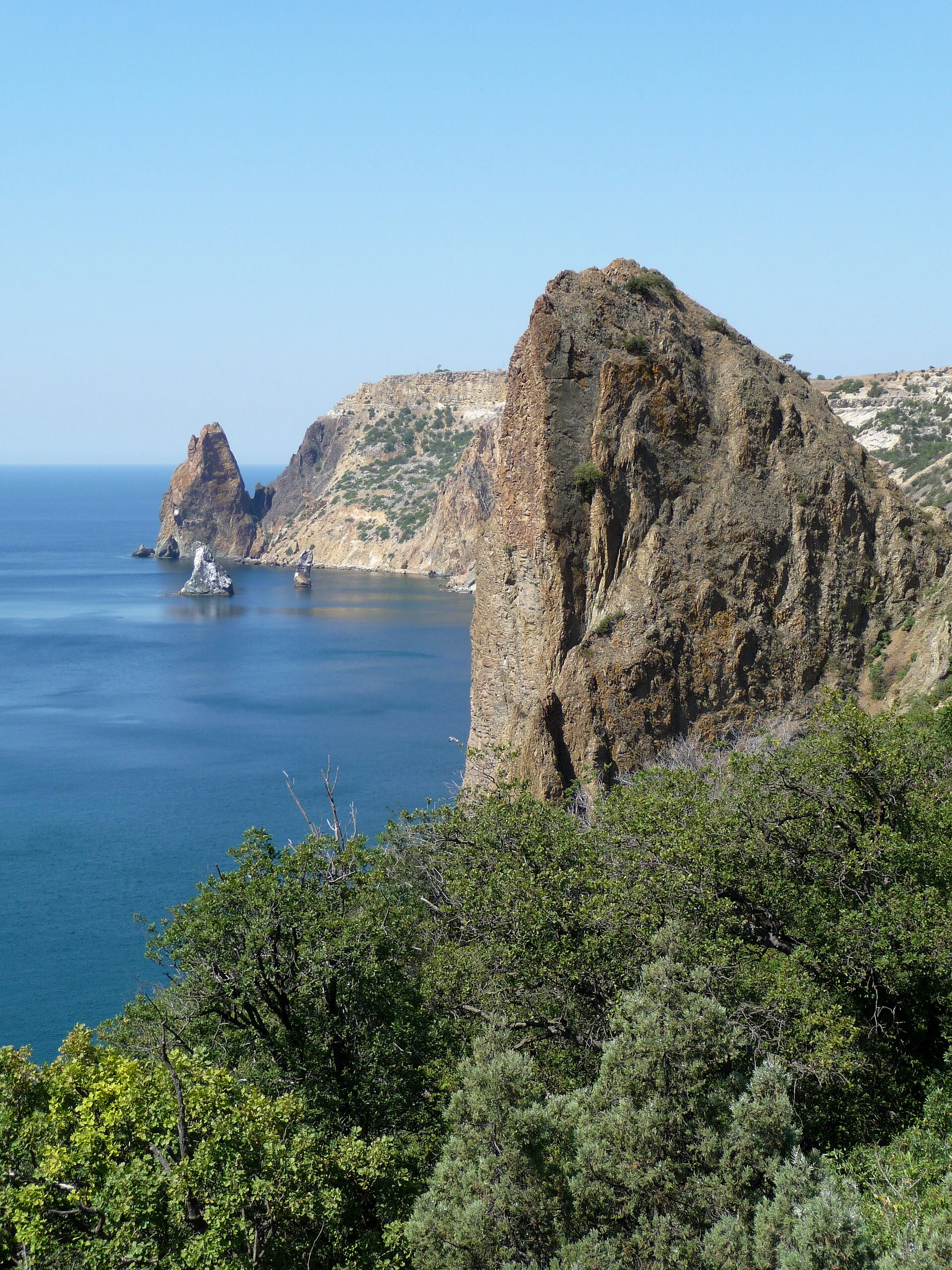
For Putin, the challenge is not only that Crimea can be hit, but that the strikes undermine the story that Russia’s hold on the peninsula is irreversible. If Ukraine keeps forcing disruptions there, the damage will be measured not just in fuel shortages and damaged infrastructure, but in the credibility of the Kremlin’s claim that Crimea is settled for good.
Sources
- [1]bbc.co.uk
- [2]state.gov
- [3]nato.int
- [4]atlanticcouncil.org
- [5]nytimes.com
- [6]yahoo.com