World
Ukraine strikes Mariupol port, disrupting Russian logistics hub
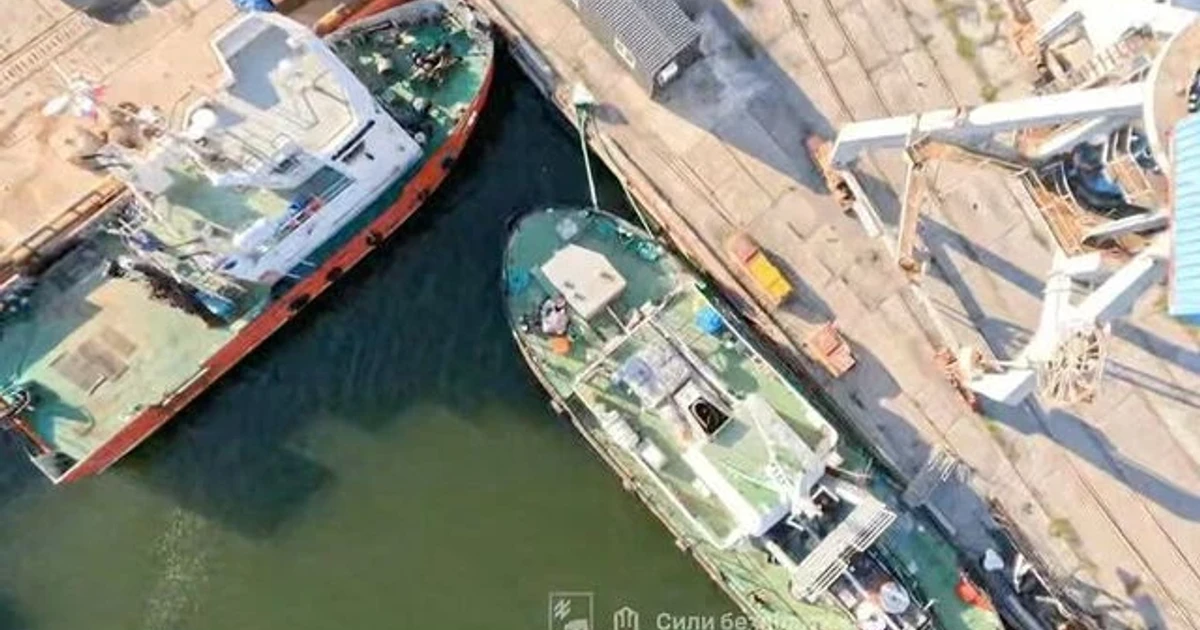
Mariupol is more than another occupied city on the Sea of Azov. It is one of Russia’s most important rear-area logistics hubs in southern Ukraine, a choke point linking occupied Donetsk Oblast, Crimea and the wider corridor Moscow uses to sustain forces across the 1,200-kilometer front. By hitting the port and knocking it into a blackout, Ukraine signaled it can reach deep into that network and disrupt not just movement, but the infrastructure that keeps the occupation running.
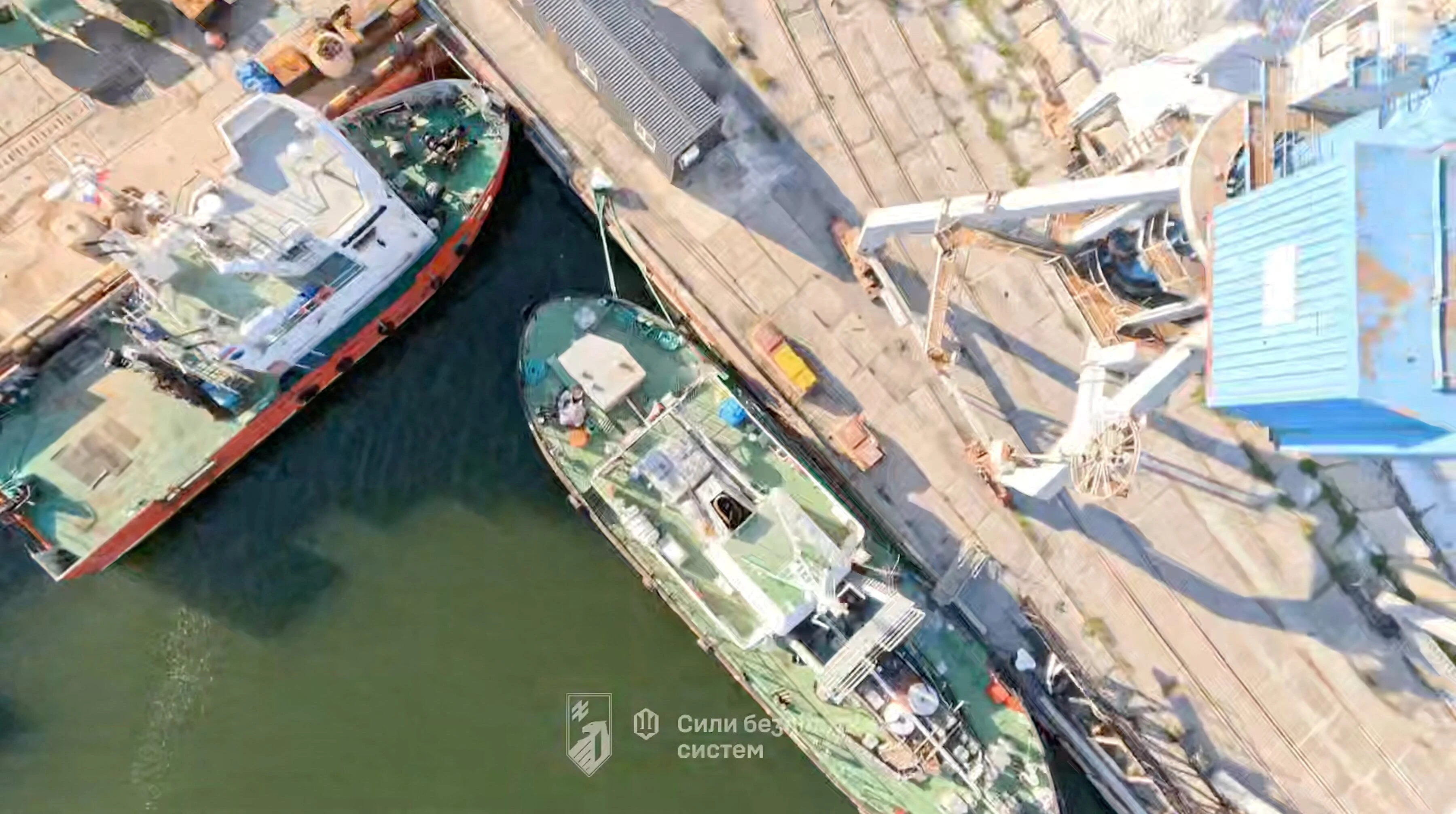
Ukraine said its forces struck the Russian-occupied port on June 10, targeting electrical substations, radar equipment, repair facilities, the control tower and fuel and lubricant storage tanks. The attack also damaged the sanctioned dry cargo ship Lady Augusta, a vessel described as part of Russia’s shadow fleet. Video released by Ukraine’s 1st Azov Corps showed drones hitting ships and port infrastructure. Ukrainian reporting said the port was left completely de-energized, sharply reducing its usefulness as a supply center for the Russian military.
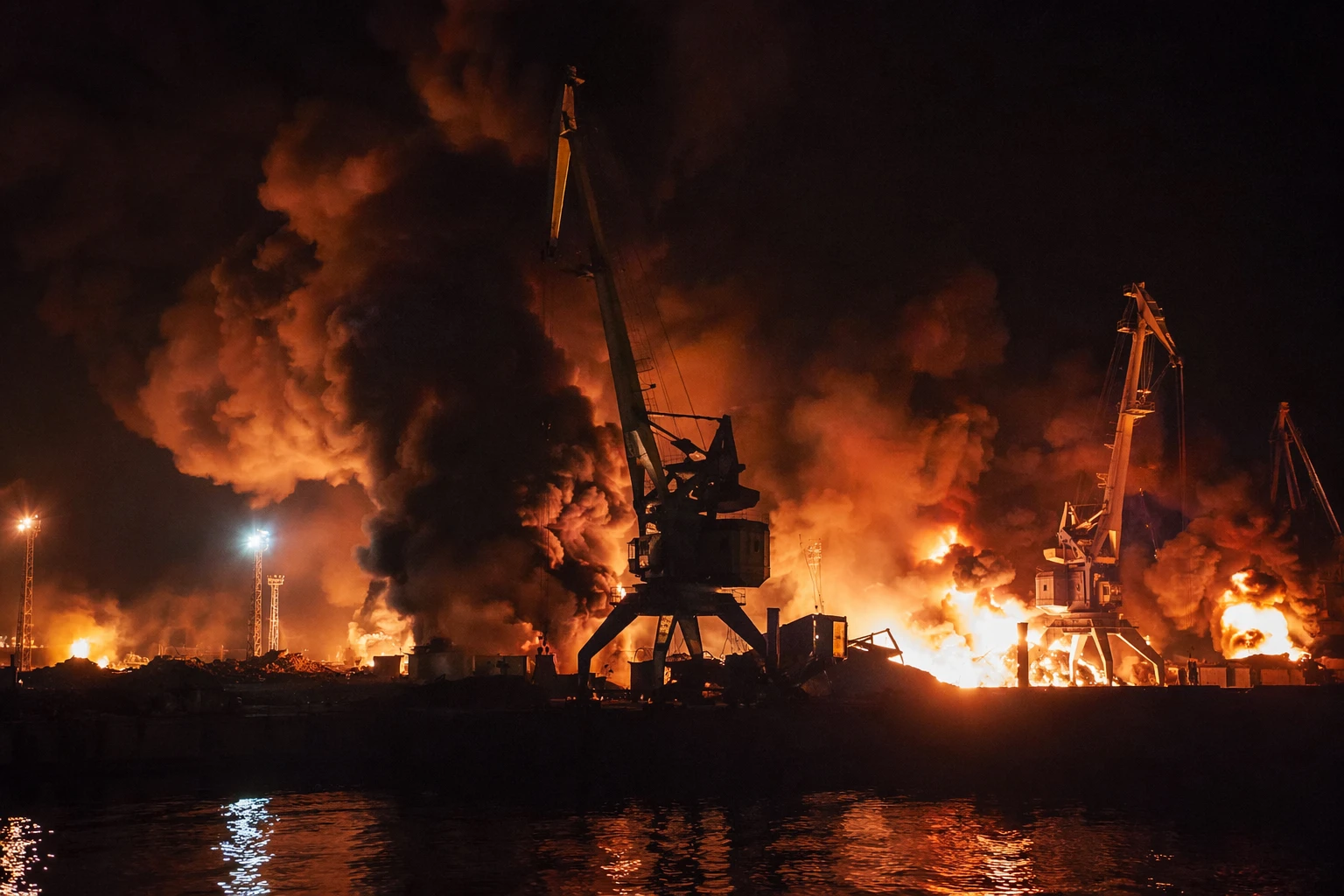
The immediate military significance lies in what the port does for Russia’s southern war effort. Mariupol helps move ammunition, fuel, equipment and repair capacity through occupied territory toward the front lines and to Crimea. If those functions are repeatedly degraded, Russia faces a slower, more expensive resupply system and more strain on maintenance and recovery operations in the occupied south. That makes the attack more than a symbolic strike on a city scarred by war. It is a direct attempt to make the rear area less reliable.
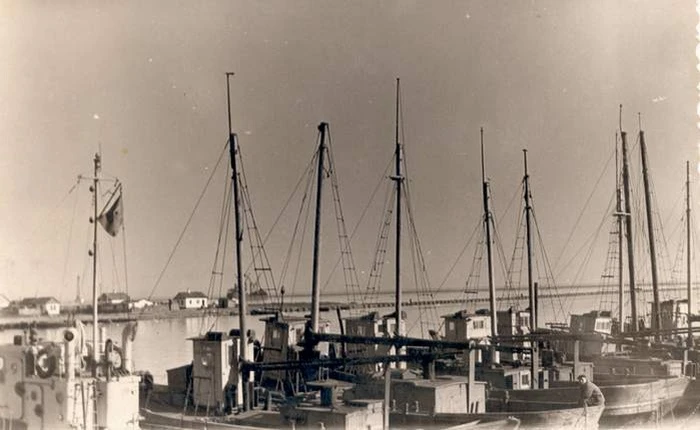
The port’s importance is amplified by Mariupol’s wartime history. Russian forces captured the city after a siege that began on February 24, 2022 and ended on May 20, 2022, turning it into a signature site of Moscow’s campaign. Since then, Mariupol port has also been reported as a route for the illegal export of Ukrainian grain, coal and metal to Russia, giving the facility both military and economic value.
The Mariupol strike came after Ukrainian attacks on the Chonhar bridge on June 6 and June 9, which damaged one of the key crossings linking occupied Crimea and occupied southern Ukraine. Ukrainian officials say that route is used to move fuel and ammunition into Kherson Oblast and Zaporizhzhia Oblast. Taken together, the attacks suggest a broader effort to sever multiple links in Russia’s southern logistics chain. For Moscow, the question is no longer whether Ukraine can hit these nodes, but whether the rear network can withstand being hit again.
Sources
- [1]usnews.com
- [2]kyivindependent.com
- [3]internazionale.it
- [4]aljazeera.com
- [5]en.wikipedia.org
- [6]aol.com
- [7]ukrinform.net