World
Ukraine strikes Moscow oil refinery again, disrupting capital airports
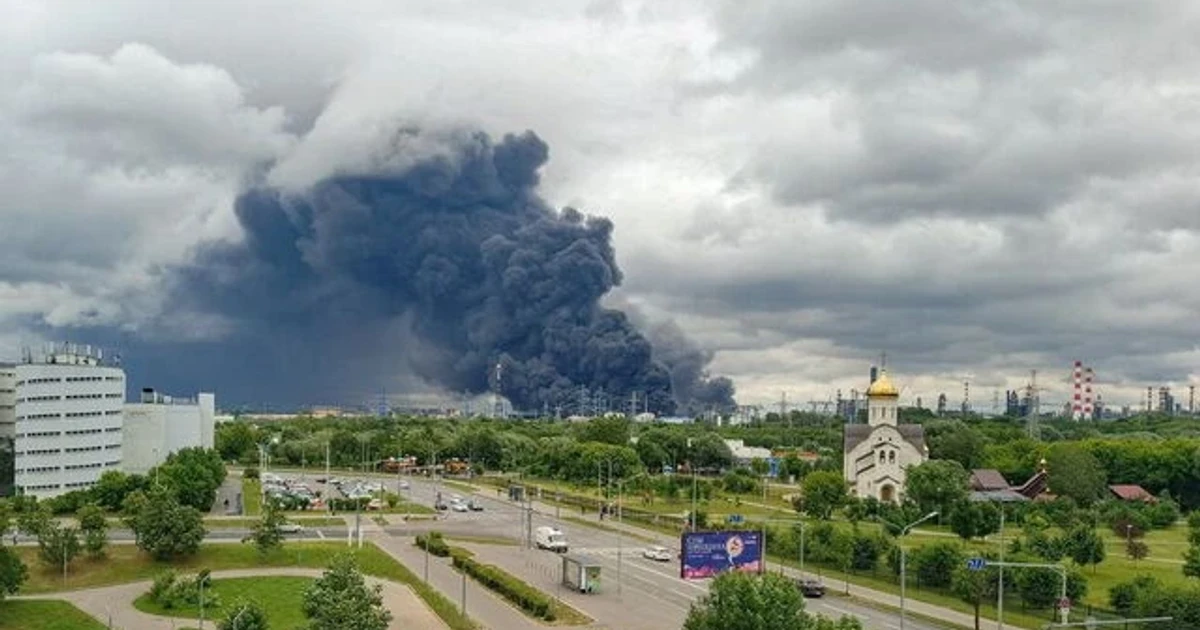
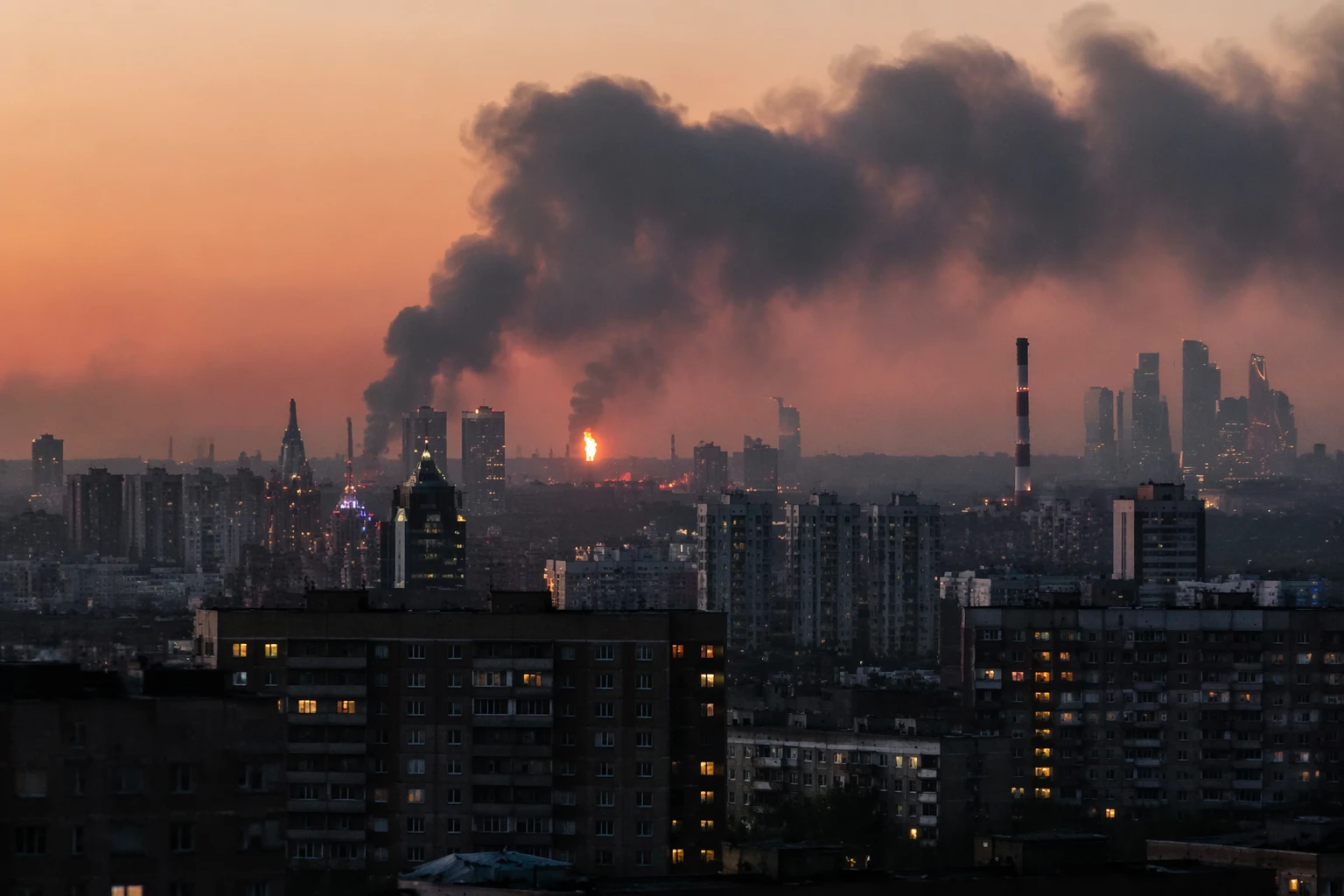
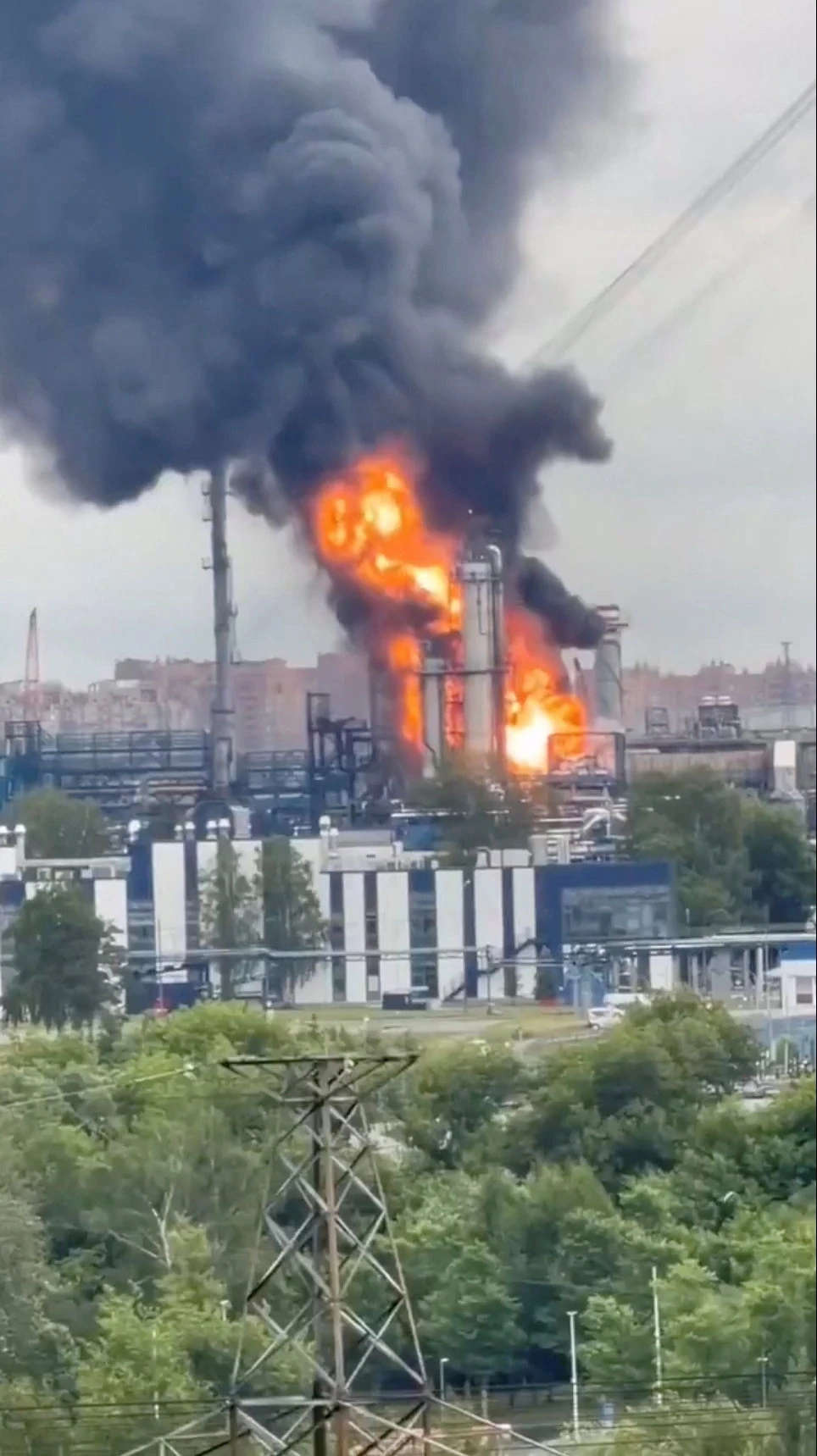
A Ukrainian drone strike set fire to the Gazprom Neft Moscow Oil Refinery in southeast Moscow, sending thick black smoke over the capital and forcing airports to halt operations. The hit landed for the second time in three days, inside the Moscow Ring Road and roughly 15 to 16 kilometers from the Kremlin, a distance that made the blast feel less like a battlefield event than a direct intrusion into the city’s core.
The blaze was severe enough that the disc-shaped lid of an oil storage tank was launched into the sky, a sign of the force behind the attack. Moscow mayor Sergei Sobyanin said air defenses were repelling a large-scale drone attack, but the disruption spread well beyond the refinery fence line. Flights were suspended at all Moscow airports, traffic was halted near the plant, and Sheremetyevo Airport was evacuated, underscoring how quickly a strike on energy infrastructure can ripple into civilian life and transport.
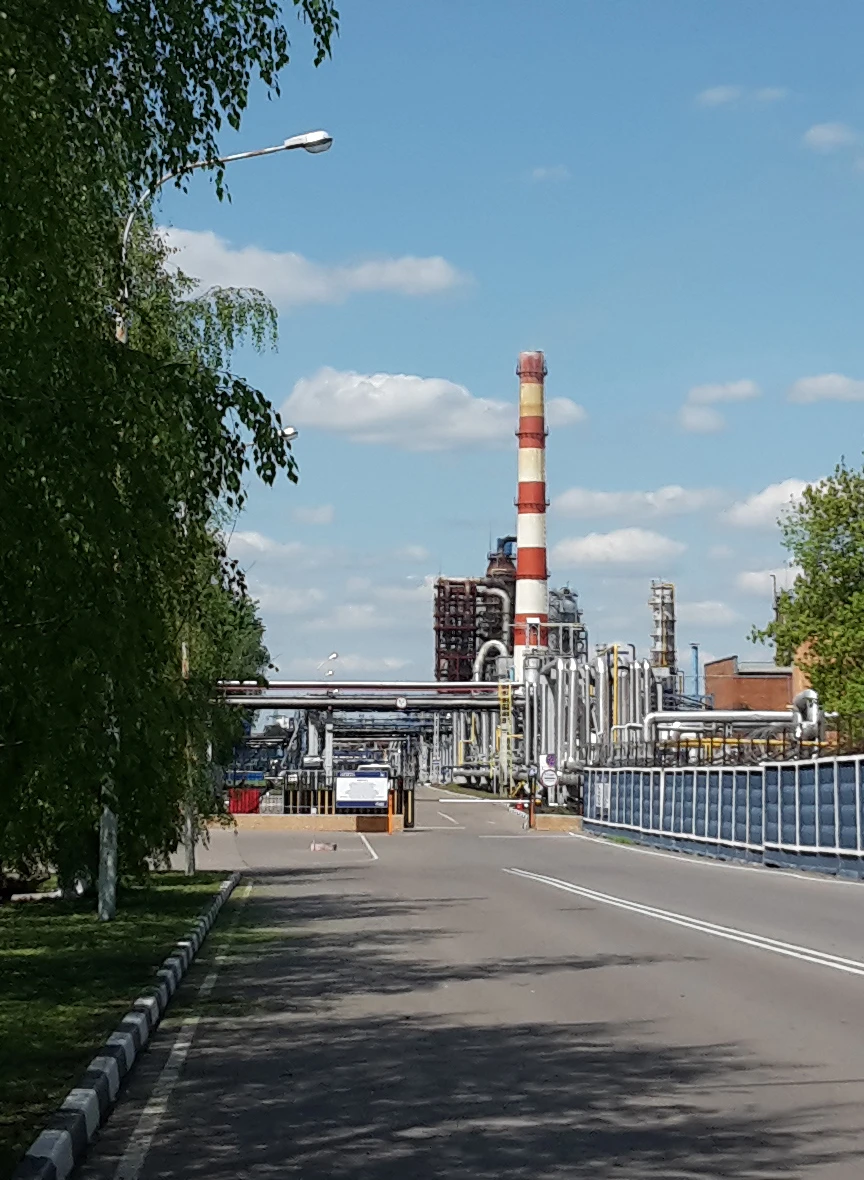
The refinery, also known as the Kapotnya facility, is one of Russia’s oldest, having started operating in 1938. It is a crucial supply node for the capital and has been described as providing about 40% of Moscow’s fuel market and roughly 70% of the gasoline consumed in Moscow and the surrounding region. Other reports have put its annual crude throughput at about 11 million to 12 million tons. The June 18 strike followed a June 16 attack that industry sources said forced the refinery to halt operations after damaging its main processing unit, which one report said accounts for 53% of total capacity. The site had also been hit in a May drone raid.
The repeated attacks show a widening Ukrainian campaign aimed at Russia’s energy backbone as well as its sense of security. By striking refineries near Moscow, Kyiv is trying to squeeze fuel logistics, threaten revenues that help fund Russia’s war effort, and remind Russian civilians that the conflict is not confined to the front line. The timing sharpened that message: the strike came just after the June 15 to 17 G7 summit in Evian, where leaders agreed to increase economic pressure on Russia, while Volodymyr Zelenskiy pressed Donald Trump and other leaders for more support. For the Kremlin, the deeper significance is clear: Ukraine is testing not just air defenses, but the assumption that Moscow itself remains out of reach.
Sources
- [1]usnews.com
- [2]msn.com
- [3]themoscowtimes.com
- [4]kyivpost.com
- [5]nsenergybusiness.com
- [6]akm.ru
- [7]politico.com