World
Ukraine strikes push Crimea into regional economic emergency
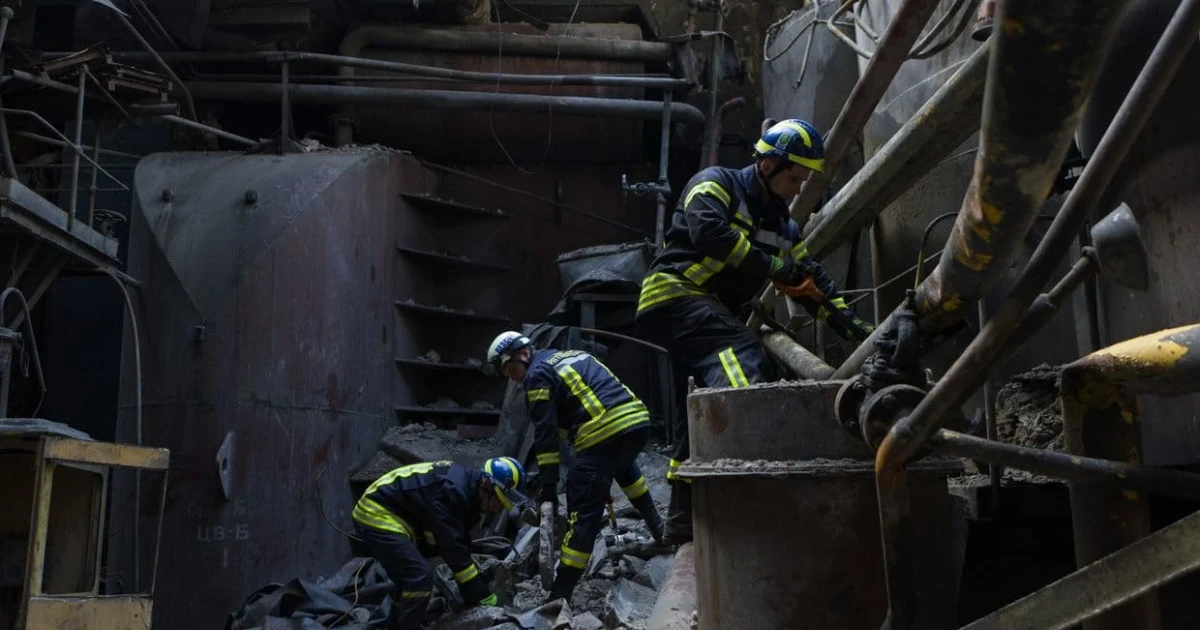
Russian-installed authorities in Crimea declared a regional state of emergency on June 26 after Ukrainian strikes disrupted fuel sales, tourism and children’s summer camps across the peninsula. The order marked a rare public admission that the war had begun to bite through daily civilian life in a territory Moscow treats as protected rear area.
Officials halted all fuel sales and suspended tourist activity and children’s camps until September, a response that reflected mounting shortages rather than a temporary inconvenience. Power cuts have also spread across Crimea, and reports from the peninsula described some residents turning to the black market for gasoline as supplies tightened and station closures multiplied.
The pressure has built around Crimea’s role in Russia’s war effort. Ukrainian drone and missile strikes have targeted logistics chains, oil facilities, power infrastructure and transport links that feed Russian forces, while attacks on the land bridge from southwestern Russia through occupied Ukrainian territory have hit hundreds of trucks carrying fuel, ammunition and other supplies since mid-May. The result has been visible on the ground: fuel shortages, electricity interruptions and strain on water supplies in a region that Moscow has long presented as stable and secure.
The economic shock has reached the summer season that normally anchors Crimea’s civilian economy. Russian-backed authorities curtailed beach activity as the peninsula’s tourism industry faced cancellations and shutdowns, stripping away one of the few sectors that still tied occupied Crimea to normal life. For a territory annexed by Russia in 2014, the emergency declaration underscored how quickly the war has moved from a distant military campaign to a direct source of disruption for ordinary households, holidaymakers and local businesses.
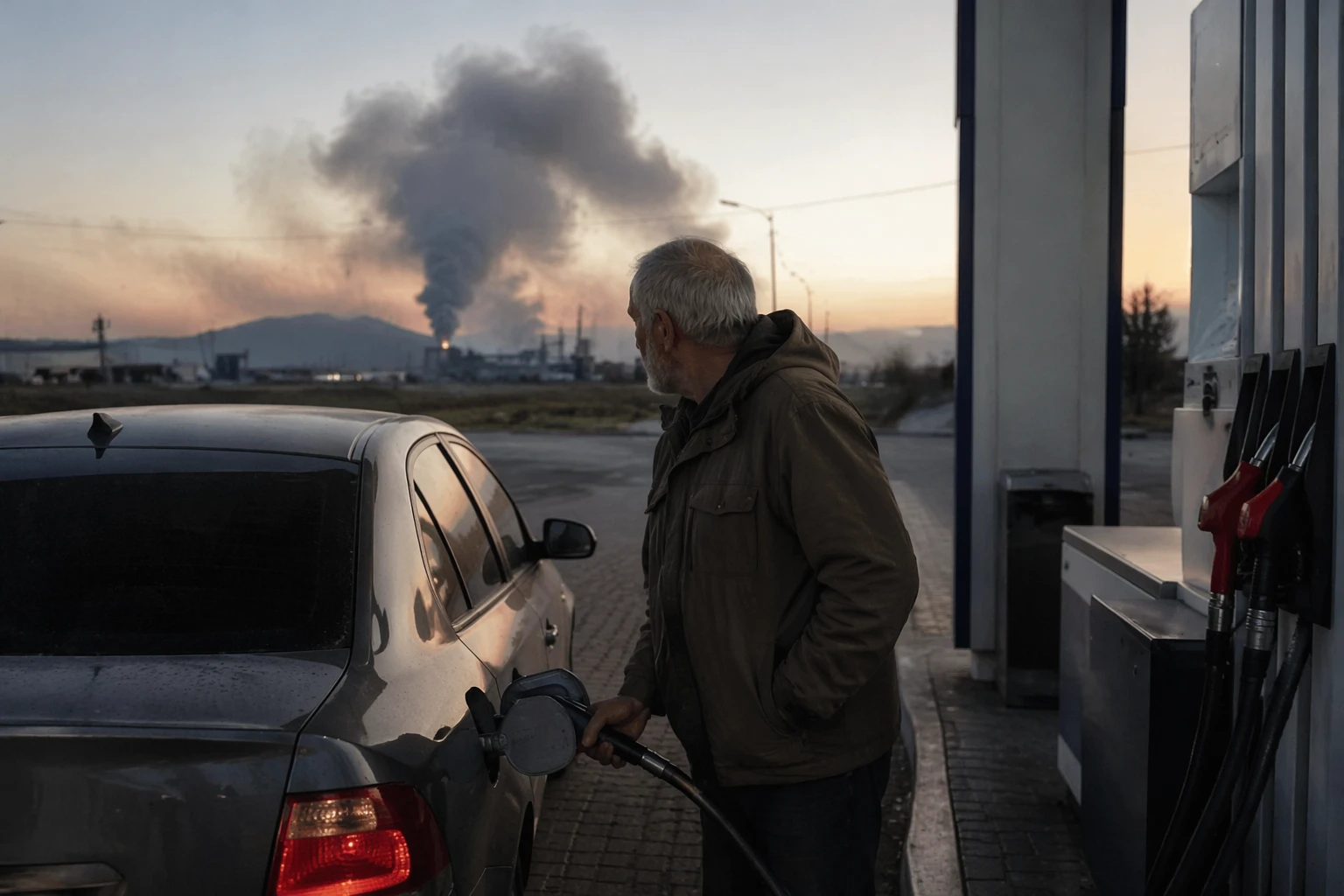
Vladimir Putin has now acknowledged the fuel problem and said the priority was to strengthen air defenses and secure fuel supplies, especially to Crimea. That response showed the Kremlin treating the peninsula’s shortages as a strategic vulnerability, not merely a local supply issue. It also undercut the longstanding narrative that Russia could wage war without forcing meaningful sacrifice onto its own population.
Ukraine’s broader strategy has been to raise the costs of war far from the front line by striking the infrastructure that sustains Russia’s military machine. In Crimea, that campaign is now reshaping expectations inside a region that the Kremlin has portrayed as insulated, but which is increasingly experiencing the shortages, interruptions and anxiety of a wartime economy.
Sources
- [1]news.google.com
- [2]nbcnews.com
- [3]telegraph.co.uk
- [4]aljazeera.com
- [5]straitstimes.com
- [6]kyivindependent.com
- [7]lemonde.fr