World
Ukraine strikes push Russia into fuel shortages and rationing
Vladimir Putin publicly acknowledged fuel shortages after Ukrainian strikes, calling the deficit temporary and promising faster repairs, more imports and stronger air defenses. His admission marked a rare acknowledgment that the pressure on Russia’s fuel system has moved beyond local disruption and into the center of the wartime economy.
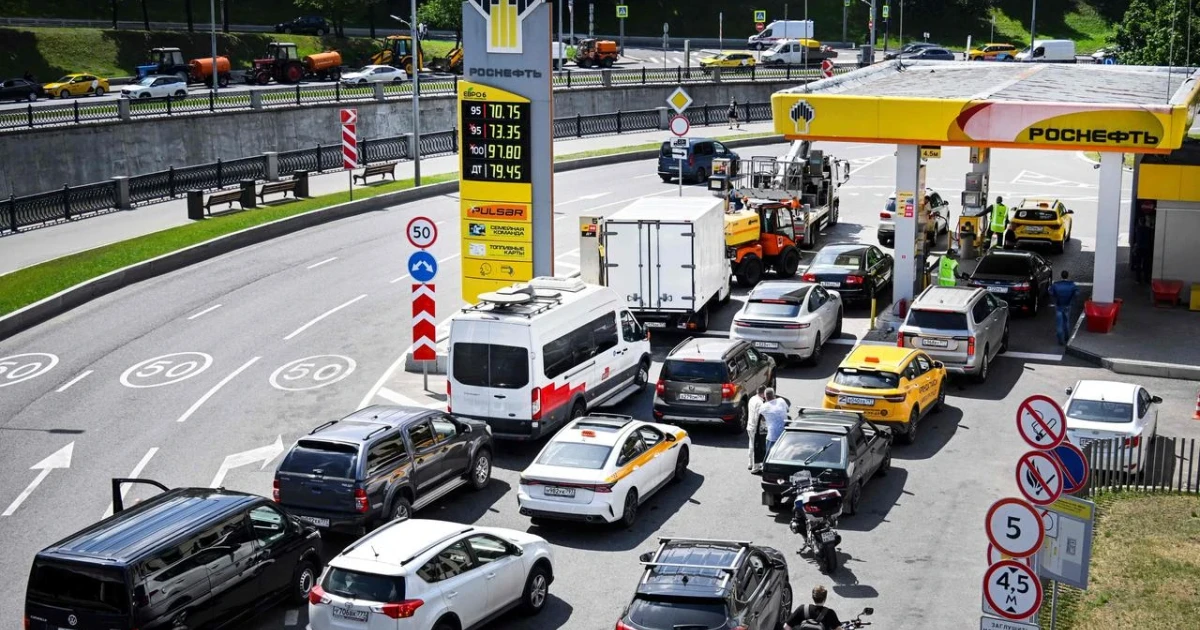
The scale of the damage has grown with each wave of attacks. AP counted more than 50 reported Ukrainian strikes on oil refineries, depots, terminals and other energy infrastructure in Russia and occupied Crimea since March 2026. Fuel rationing has been introduced in many regions, and hourslong queues have become routine at gas stations. In Irkutsk, the mayor even ordered portable toilets for people waiting in line.
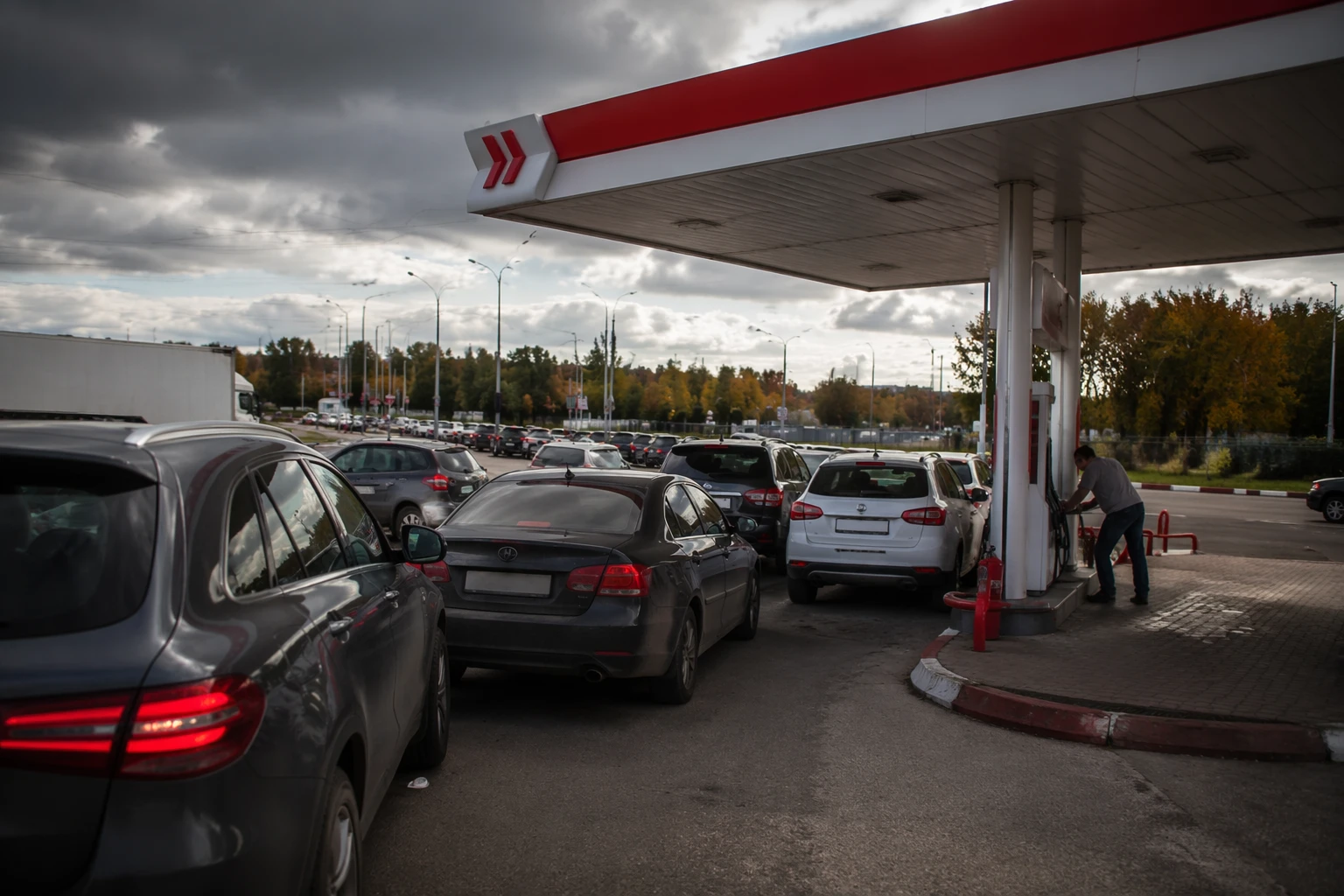
The shortages are now visible across Russia’s 11 time zones. Reuters reported that Russia has begun seaborne gasoline imports from India, with at least 60,000 metric tons already dispatched and some industry sources expecting monthly imports of 400,000 tons from multiple countries, including Belarus. Belarus also almost tripled gasoline rail supplies to Russia in the first half of June compared with the first half of May, a sign of how quickly Moscow has been forced to lean on external supply.
The strain is hitting refining capacity as well as retail fuel. Bloomberg said more than 50 Russian regions were facing severe shortages and estimated that drone strikes and sanctions had cut refining capacity by 20% to 30%. AP reported that the Tuapse refinery has been struck four times since March, while the Kapotnya refinery in Moscow was hit on June 12 and again on June 18. Sergey Vakulenko of the Carnegie Endowment for International Peace said those strikes showed drones could reach heavily defended sites around Moscow, even after a 2020 modernization that concentrated processing units more tightly together.
The problem is no longer confined to oil companies or regional officials. Russia’s parliament approved tax-code amendments to subsidize fuel imports and ease the shortage, while state messaging has tried to frame the crisis as temporary. But the image of a major energy exporter importing gasoline, rationing supplies and managing queues at home has already become one of the clearest signs yet that Ukraine’s strikes are testing the everyday mechanics of Russia’s war economy.
Sources
- [1]news.google.com
- [2]politico.eu
- [3]apnews.com
- [4]cnbc.com
- [5]thehindu.com
- [6]carnegieendowment.org