World
Ukraine Surpasses Russia in Cross-Border Drone Strikes
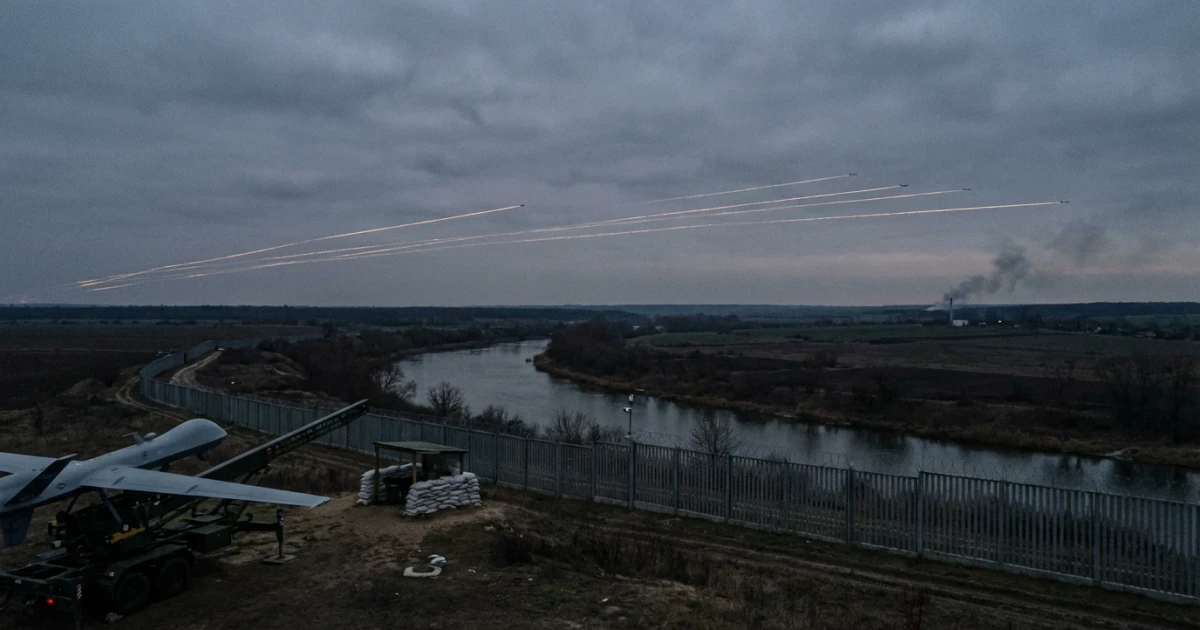
Ukraine has, for the first time, surpassed Russia in the number of cross-border drone strikes, according to March data analyzed by multiple observers. This significant development marks a notable shift in the dynamics of the ongoing drone war between the two nations.
Ukrainian Drone Activity Outpaces Russian Strikes
Data from open-source analysts indicates that in March, Ukrainian drone attacks across the Russian border outnumbered Russian drone attacks on Ukrainian territory for the first time since the conflict began. The trend suggests a growing capacity and willingness by Ukrainian forces to use unmanned aerial vehicles (UAVs) to target Russian infrastructure, military assets, and supply lines beyond the front lines.
- March saw a record number of Ukrainian drones launched into Russian territory, with verified incidents including strikes on oil depots, warehouses, and communication posts.
- Russian attacks, while still intense, focused more on frontline cities and energy infrastructure within Ukraine, but did not keep pace numerically with Ukrainian cross-border sorties.
This shift is corroborated by research on Ukrainian drone innovation, which notes rapid improvements in both the quantity and sophistication of Ukraine’s drone fleet since late 2023. Analysts attribute the surge to increased domestic production, international support, and tactical evolution on the battlefield.
Impact and Civilian Cost Remain High
While Ukraine’s new edge in the drone war demonstrates tactical ingenuity, the human cost of ongoing drone strikes remains severe. As reported by Reuters, Russian drone attacks continue to inflict civilian casualties within Ukraine, including a tragic incident in Odesa where a mother and her two-year-old daughter were killed. Such events highlight the ongoing risks faced by non-combatants, even as the balance of drone activity shifts.
According to the United Nations Secretary-General’s remarks, both sides’ use of drones has resulted in significant infrastructure damage and civilian harm, fueling international concerns about the escalation of the conflict and the evolving role of unmanned systems in modern warfare.
Key Drivers Behind Ukraine’s Drone Surge
Several factors have contributed to Ukraine’s newfound lead in drone strikes:
- Domestic Production: Ukraine has ramped up indigenous drone manufacturing, allowing for a steady supply of UAVs tailored to specific missions.
- International Support: Western allies have provided Ukraine with both technology and intelligence, bolstering its ability to launch targeted cross-border operations.
- Operational Innovation: Ukrainian forces have adapted quickly to Russian countermeasures, employing new tactics to evade air defenses and increase strike effectiveness.
This surge has also been enabled by shifting battlefield priorities, with Ukraine seeking to disrupt Russian logistics and morale by targeting supply chains further from the front lines. Analysis from the International Institute for Strategic Studies points to a broader trend of escalation in the drone war, as each side seeks technological and tactical advantages.
What the Numbers Reveal
Open-source trackers, such as Oryx, report that Ukraine launched more than 70 confirmed cross-border drone attacks in March, compared to fewer than 60 similar Russian attacks into Ukrainian territory. These figures, while not exhaustive, are considered reliable due to photographic and geolocated evidence collected by independent observers.
Ongoing Risks and Future Outlook
Despite Ukraine’s recent success in outpacing Russian drone sorties, experts caution that the drone war is highly dynamic. Russia retains significant production capacity and may respond with new countermeasures or increased attacks. The Institute for the Study of War’s March 2024 campaign assessment stresses that both sides are likely to continue contesting the airspace with evolving technologies.
As the conflict continues, the growing frequency and sophistication of drone attacks underscore the urgent need for international monitoring and diplomatic engagement to reduce risks to civilians and avoid further escalation.