World
Ukraine turns to psychological warfare to weaken Russian support
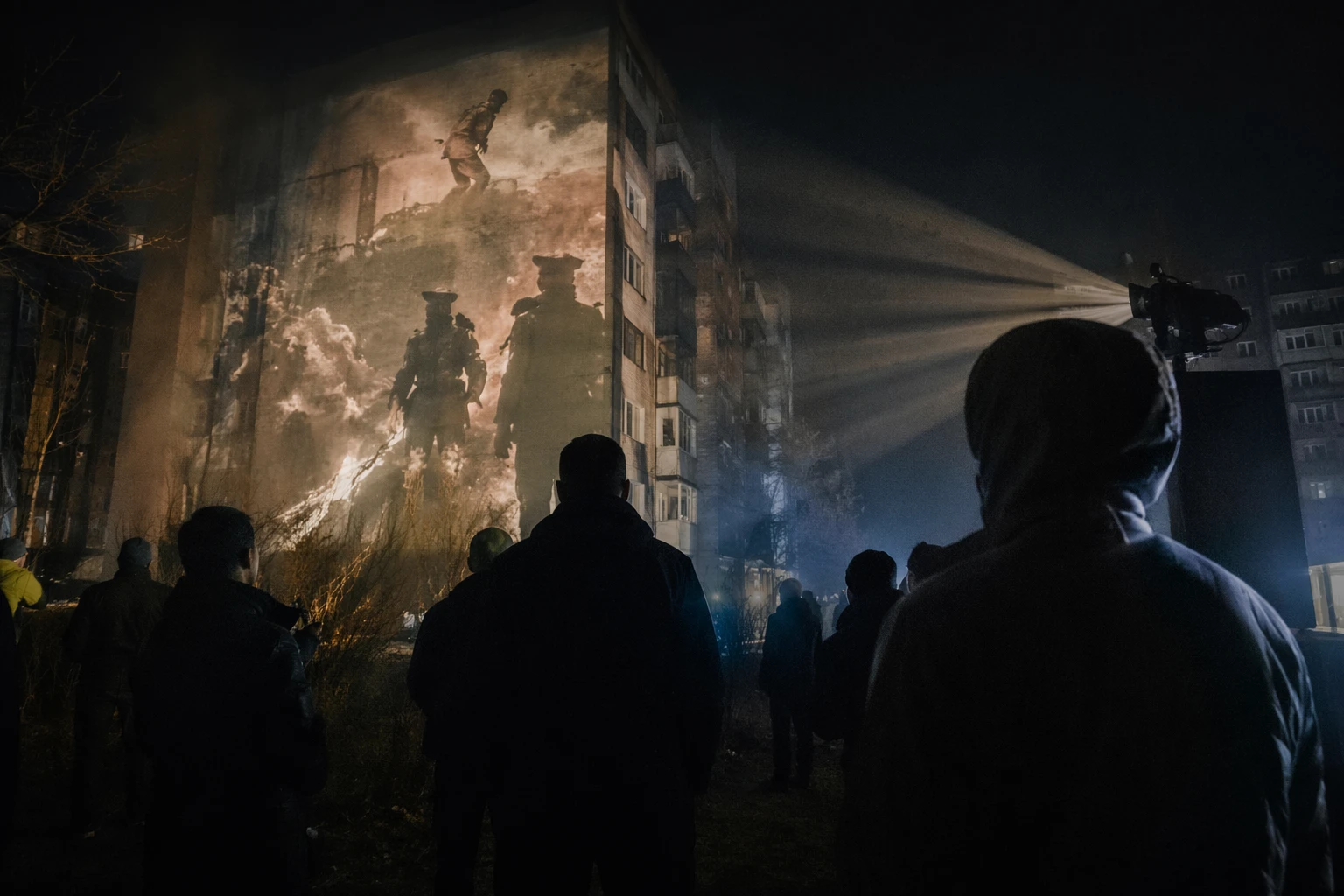
Ukraine’s newest offensive is aimed less at kilometers of ground than at the willingness to keep fighting. After years of absorbing Russian information attacks, Kyiv has turned psychological operations into a core wartime tool, using early warnings, counter-narratives, and morale-shaping messaging to weaken support for Moscow’s war.
The war for perception
Russia has used information and psychological operations against Ukraine since at least 2014, with a clear pattern: undermine mobilization, damage morale, and flood social networks with both real and fabricated photos and videos. That campaign did not begin with the full-scale invasion on February 24, 2022, and it has not stayed confined to the battlefield; analysts now describe the conflict as one shaped by cognitive warfare, synthetic media, cloned websites, and Telegram-based narrative campaigns.
The point is not simply to confuse. It is to shape decisions, inside Ukraine and far beyond it, by making resistance feel futile, leadership seem illegitimate, and the costs of fighting appear higher than the costs of surrender or exhaustion. In that sense, the information war has become a frontline as concrete as any trench line.
How Ukraine learned to fight back
RAND’s work on Ukrainian resistance to Russian disinformation says Kyiv’s prewar “shaping operations” helped lay the groundwork for later counterdisinformation successes. One of the most consequential examples was intelligence-driven prebunking, in which Ukrainian and international audiences were warned in advance about a planned Russian false-flag attack that could be used as a casus belli for the invasion.
That shift matters because it treats disinformation as something to be intercepted before it hardens into belief. Instead of chasing every false claim after it spreads, Ukraine has leaned into anticipation, trying to blunt the first emotional impact of a fabricated story before it can be amplified through social channels or state media.
The approach is also political. Counterdisinformation is not only about correcting facts; it is about preserving trust in institutions, keeping mobilization intact, and preventing fear from becoming a weapon of its own.
Why the psychological layer now sits beside drones
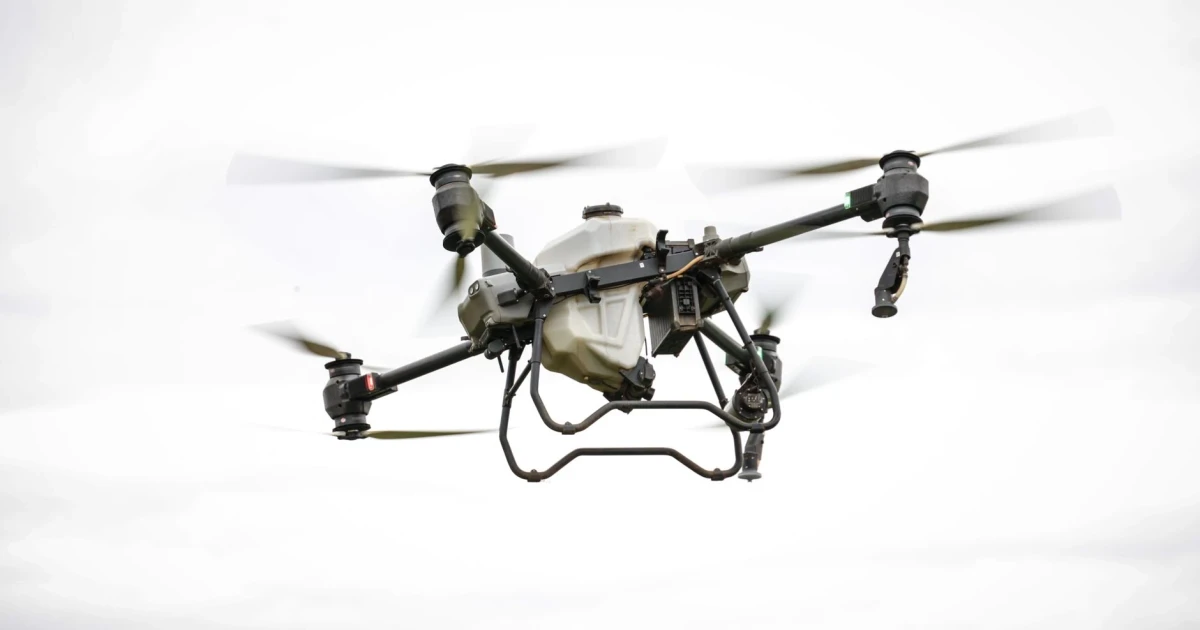
The same war that has turned Ukrainian drone crews into battlefield innovators has also made the invisible fight harder to ignore. Reuters-reported Ukrainian estimates cited in 2024 said drones accounted for 69% of strikes on Russian troops and 75% of strikes on vehicles and equipment. Commanders describe a roughly 10-kilometer-wide kill zone on each side of the front line, a strip of land where movement can be punished quickly and repeatedly.
That drone-heavy reality changes the information war too. When every convoy, position, or rotation is threatened by aerial surveillance and attack, morale becomes a military variable, not just a social one. Success is measured not only by destroyed hardware, but by the pressure it places on the people expected to replace it, resupply it, and keep moving inside that kill zone.
Seen that way, psychological operations are not abstract propaganda. They are paired with physical battlefield pressure, including the fear and uncertainty created by drones, to erode confidence in Russian staying power.
The human cost on both sides of the front
The psychological damage has been severe among Ukrainians themselves. A clinical survey of civilians during the first year of the war found that 75% showed PTSD symptoms and 66% showed signs of moral injury, a measure of the harm caused when people are exposed to events that violate deep ethical expectations. A 2026 World Health Organization-related survey reported that 72% of Ukrainians experienced anxiety or depression in the past year.
Those numbers help explain why information operations matter as public health issues as well as military ones. Persistent fear, grief, and uncertainty do not stay neatly inside the security sector; they spill into families, schools, workplaces, and clinics, shaping how communities function under prolonged attack. Mental health strain becomes part of the war’s infrastructure, with consequences for recovery, civic trust, and the ability to sustain collective defense.
Why the struggle extends beyond Ukraine
The shadow war is not limited to the front line. AP has tracked 145 sabotage and disruption cases Western officials blame on Russia since 2022, a pattern that shows how the same logic of pressure and destabilization extends into Europe. That wider campaign underscores why Russian influence operations are treated as more than messaging, they are part of a broader strategy to unsettle support networks, complicate decision-making, and widen fear.
For Ukraine, the challenge is to keep turning perception into a liability for Moscow instead of a weakness for Kyiv. That means pairing battlefield adaptation with information discipline, so that drone dominance, counter-messaging, and intelligence-led warning work together rather than separately.
The next phase of the war will keep testing how well Ukraine can make Russian support feel costly, uncertain, and vulnerable to doubt. In a conflict defined by drones, shelling, and attrition, the side that can hold morale and legitimacy may still gain the most durable advantage.
Sources
- [1]nytimes.com
- [2]rand.org
- [3]icds.ee
- [4]usnews.com
- [5]apa.org
- [6]eurasianet.org
- [7]united24media.com
- [8]apnews.com