World
Ukraine, US reach deal on Patriot interceptor production licenses

Ukraine and the United States have reached a political agreement on licences for PAC-3 Patriot interceptor production, with key missile supplies expected to arrive in the coming days. Volodymyr Zelenskiy said the deal followed his return from a NATO summit and talks with Donald Trump in Turkey, putting fresh urgency around a program that could shape both Ukraine’s immediate air defenses and its longer-term weapons base.
Trump had already telegraphed the shift during a bilateral meeting at the NATO summit in Ankara on July 8, 2026, saying, “We’re going to give a license to you to make Patriots.” Zelenskiy later said Ukraine had formally requested U.S. authorization on May 29 to manufacture Patriot PAC-3 MSE interceptors under license, after letters were sent to the White House and Congress. The latest agreement, he said, still leaves technical details to be worked out.
That gap matters. A political-level licensing deal does not by itself produce interceptors on a battlefield timeline. Ukraine still needs completed PAC-3 missiles from the United States in the near term, and Zelenskiy said a U.S. package would arrive in the coming days. He also said there were separate agreements with European partners for additional PAC-3 missiles, underscoring that Kyiv is still relying on outside deliveries even as it tries to build a more durable industrial arrangement.
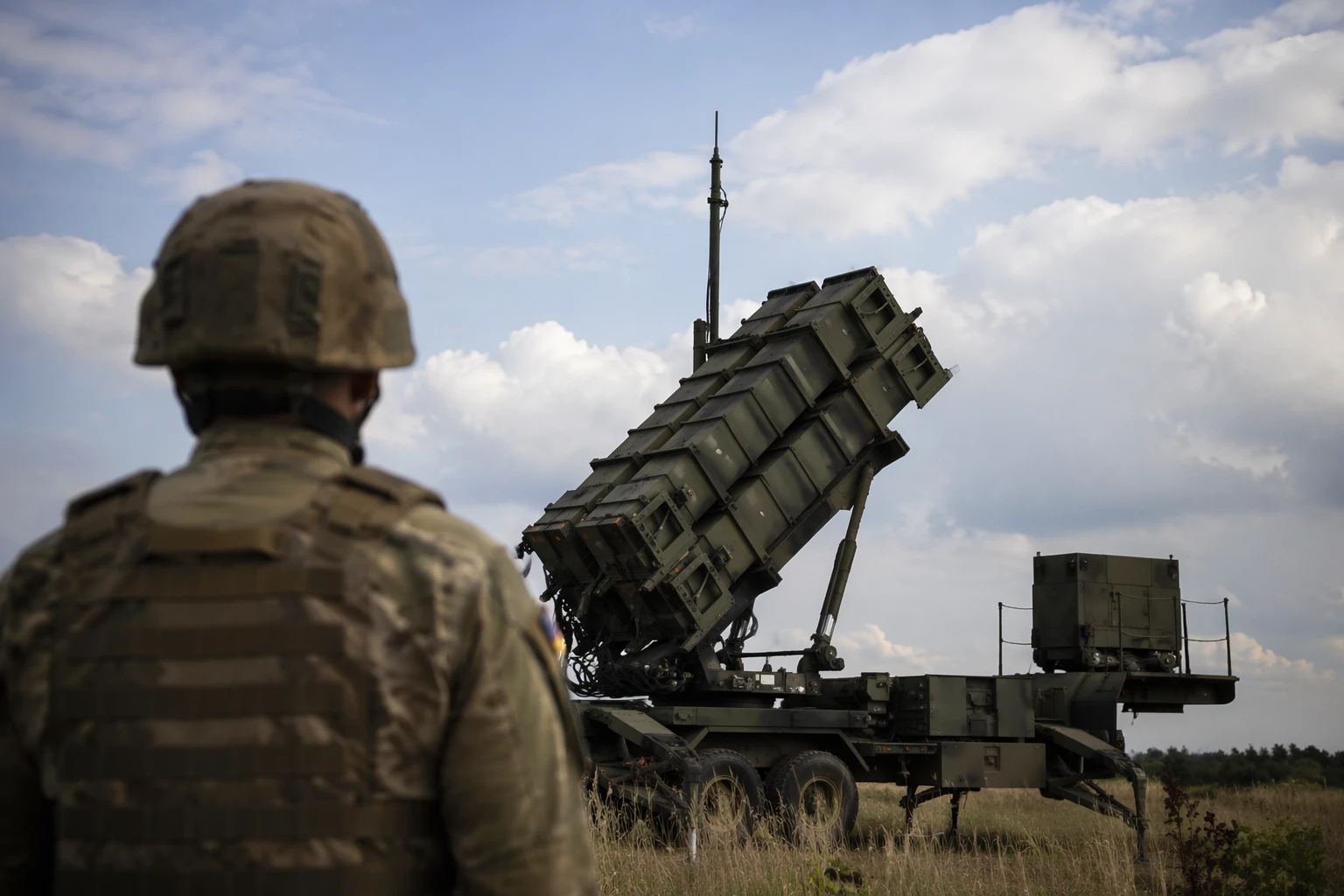
PAC-3 MSE is a hit-to-kill interceptor designed to defeat tactical ballistic missiles, cruise missiles and aircraft, making it one of the few Western systems able to blunt the kind of strikes Russia has increasingly used against Ukrainian cities. That is why the licensing push is more than a paperwork exercise: if Ukraine can localize or expand production, it could reduce dependence on sporadic foreign shipments and strengthen a defense network that has been under constant pressure.
The industrial backdrop is already tight. Lockheed Martin and the U.S. government announced a framework agreement on January 6, 2026, to raise annual PAC-3 MSE production from about 600 missiles to 2,000 over seven years. On April 10, 2026, the U.S. Army added $4.7 billion in an undefinitized contract action to accelerate production. Those figures show that interceptor supply is constrained even before Ukrainian needs are added to the queue.

The deal also fits a broader shift in Kyiv’s war strategy, from receiving finished weapons to building deeper co-production ties, including drone cooperation and joint drone production. Zelenskiy has also pointed to possible anti-ballistic cooperation with European partners, saying eight countries could help Europe and Ukraine build their own system. For Ukraine, the PAC-3 license is not a substitute for incoming missiles. It is a bid to turn emergency supply into a longer-term defense-industrial foothold.
Sources
- [1]usnews.com
- [2]abcnews.com
- [3]lockheedmartin.com
- [4]army.mil
- [5]pravda.com.ua
- [6]cbsnews.com
- [7]efe.com